The century intervening from the fall of Napoleon in 1815 to the beginning of the First World War in 1914 is usually regarded as a sort of golden age for Prusso-German militarism. In this period, the Prussian military establishment won a series of spectacular victories over Austria and France, establishing an aura of German military supremacy and realizing the dream of a unified Germany through force of arms. Prussia in this era also produced three of history’s iconic military personalities – Carl von Clausewitz (a theoretician), Helmuth von Moltke (a practitioner), and Hans Delburk (a historian).
As the story usually goes, this century of victory and excellence created a sense of hubris and militarism in the Prusso-German establishment which led the country to march impetuously to war in the August of 1914, only to founder in a terrible war in which new technologies frustrated its idealized approach to warmaking. Pride, as they say, goes before the fall.
This is an interesting and satisfying story, which posits a rather traditional hubris-downfall cycle. To be sure, there is an element of truth to it, as there were many elements of German leadership which possessed an unseemly degree of overconfidence. However, this was far from the only emotion. There were also many prominent pre-war German thinkers who professed fear, anxiety, and unmitigated dread. They had valuable ideas to teach their colleagues – and perhaps us.
Let’s go back, all the way to 1870, to the Franco-Prussian War.
Upgrade to paid
This conflict is generally considered the magnum opus of the titanic Prussian commander, Field Marshal Helmuth von Moltke. Exercising deft operational control and an uncanny sense of intuition, Moltke orchestrated an aggressive opening campaign which sent Prusso-German armies streaming like a mass of tentacles into France, trapping the primary French field army in the fortress of Metz in the opening weeks of the war and besieging it. When the French Emperor, Napoleon III, marched out with a relief army (comprising the rest of France’s battle-worthy formations), Moltke hunted that army down as well, encircling it at Sedan and taking the entire force (and the emperor) into captivity.
Helmuth von Moltke – the man of iron and blood
From an operational perspective, this sequence of events was (and is) considered a masterclass, and a major reason why Moltke has become revered as one of history’s truly great talents (he is on this writer’s Mount Rushmore alongside Hannibal, Napoleon, and Manstein). The Prussians had executed their platonic ideal of warfare – the encirclement of the main enemy body – not once, but twice in a matter of weeks. In the conventional narrative, these great encirclements became the archetype of the German kesselschlacht, or encirclement battle, which became the ultimate goal of all operations. In a certain sense, the German military establishment spent the next half-century dreaming of ways to replicate its victory at Sedan.
This story is true, to a certain extent. My objective here is not to “bust myths” about blitzkrieg or any such trite thing. However, not everyone in the German military establishment looked at the Franco-Prussian War as an ideal. Many were terrified by what happened after Sedan.
By all rights, Moltke’s masterpiece at Sedan should have ended the war. The French had lost both of their trained field armies and their head of state, and ought to have given in to Prussia’s demand (namely, the annexation of the Alsace-Lorraine region).
Instead, Napoleon III’s government was overthrown and a National Government was declared in Paris, which promptly declared what amounted to a total war. The new government abandoned Paris, declared a Levee en Masse – a callback to the wars of the French Revolution in which all men aged 21 to 40 were to be called to arms. Regional governments ordered the destruction of bridges, roads, railways, and telegraphs to deny their use to the Prussians.
Instead of bringing France to its knees, the Prussians found a rapidly mobilizing nation which was determined to fight to the death. The mobilization prowess of the emergency French government was astonishing: by February, 1871, they had raised and armed more than 900,000 men.
Fortunately for the Prussians, this never became a genuine military emergency. The newly raised French units suffered from poor equipment and poor training (particularly because most of France’s trained officers had been captured in the opening campaign). The new mass French armies had poor combat effectiveness, and Moltke managed to coordinate the capture of Paris alongside a campaign which saw Prussian forces marching all over France to run down and destroy the elements of the new French Army.
Crisis averted, war won. All was cozy in Berlin, it would seem?
Far from it. While many were content to shake hands and congratulate each other on a job well done, others saw something horrifying in the second half of the war, and the French mobilization program. Surprisingly, Moltke himself was among this party.
Moltke viewed the ideal form of war as something which the Germans call a Kabinettskriege. Literally a Cabinet War, this referred to the limited wars which dominated affairs for much of the 16th through 19th centuries. The particular form of these wars was a conflict between the professional militaries of states and their aristocratic leadership – no mass levies, no horrible scorched earth, no nationalism or mass patriotism. For Moltke, his earlier war against Austria was an ideal example of a Cabinet War: the Prussian and Austrian professional armies fought a battle, the Prussians won, and the Austrians agreed to Prussia’s demands. There was no declaration of a blood feud or a guerilla war, but instead a vaguely chivalrous acknowledgment of defeat and limited concessions.
What happened in France, in contrast, was a war which began as a Kabinettskriege and devolved into a Volkskriege – a people’s war, and thus had brought into question the entire concept of the limited Cabinet War altogether. As Moltke put it:
The days are gone by when, for dynastic ends, small armies of professional soldiers went to war to conquer a city, or a province, and then sought winter quarters or made peace. The wars of the present day call whole nations to arms…
As Moltke saw it, the only solution to a Volkskriege was to respond with a “War of Extermination.” Now at this, many will no doubt bristle, but Moltke was unequivocally not suggesting genocide. He meant something closer to the destruction of the French resource base – dismantling the state, destroying its material wealth, and arranging its affairs. In essence, he called for something like what Germany imposed on France in 1940 – Hitler did not try to annihilate the French population, but neither did he simply take a few territories and walk away. Instead, France as an independent state was steamrolled.
Moltke argued in 1870-71 that pursuing limited war aims against France no longer made sense, since the entire French nation was now aroused in anger at Prussia-Germany. The French, he argued, would never forgive Prussia for taking the Alsace region, and would become intractable enemies. Therefore, France had to be leveled as a military-political entity or else it would simply rise again and become a dangerous enemy very soon. Unfortunately for Moltke, the Prussian Chancellor, Otto von Bismarck, wanted a fast resolution to the war and was not interested in trying to occupy and humiliate France. He told Moltke to hunt down the new French army and get it over with, so Moltke did.
However, Moltke’s basic fear – that a limited war would do no lasting damage to France as a threat – proved true. It took only a few years for the French to completely rebuild their military – by 1875, Moltke and his staff estimated that the window of opportunity was closed and France was fully prepared to fight another war.
Meanwhile, from a military perspective, there were many in the Prussian establishment who were terrified by France’s success mobilizing an emergency army. Prussia’s victory, they argued, was possible only because the French mobilization had been improvised – lacking weapons and training. A nation that was prepared to mobilize and arm millions of men in repetitive conscriptions, with the requisite logistics and training infrastructure, might be nearly impossible to defeat, they argued, and put the entire framework of Prussian war-making in question.
The idea was so important that Moltke dedicated much of his final pre-retirement speech to the Reichstag to the topic. As he put it on that oft-quoted occasion:
The age of Kabinettskriege is behind us – all we have now is Volkskrieg, and any prudent government will hesitate to bring about a war of this nature with all its incaluclable consequences… If war should break out… no one can estimate its duration or see when it will end. The greatest powers of Europe, which are armed as never before, will fight each other. None can be annihilated so completely in one or two campaigns that it would declare itself vanquished and be compelled to accept hard conditions for peace.
Such a statement seems to, and indeed does run contrary to the perception of Germany as overconfident and belligerent, and to the idea that all were taken aback by the length and savagery of the world war. In fact, Germany’s most revered prewar practitioner explicitly predicted a gruesome, totalizing, and lengthy war.
Other members of Moltke’s staff pontificated more explicitly on the threat of people’s war, or total war. Field Marshal Colmar von der Goltz was the most prolific of these, and wrote extensively on the French mobilization project, arguing that the French could have easily swamped the Germans if they had possessed the capacity to properly train and supply their new armies. His general thesis was that future wars would necessarily involve the whole resources of the state, and Germany ought to lay the groundwork to train and sustain mass armies for years of conflict.
In the years leading up to World War One, a minority wing of the German establishment arose which was remarkably clearsighted about the coming conflict, and argued that it would be won via total strategic attrition, with the full resources of the battling nations mobilized over many years. Functionally, the German military apparatus became split between a preeminent majority which looked to the first half of the Franco-Prussian War (with Moltke’s massive victories) as the model, and a less prominent but vocal minority which dreaded the portents of France’s national mobilization and feared a future of “people’s war.”
All of that is endlessly interesting to the aficionados of military history and the disciples of mankind’s bloody record of war-making. What is interesting for our purposes, however, is the argument between Moltke and Bismarck in the waning months of 1870. Moltke saw clearly that France’s patriotic animosity had been aroused and believed that a limited war would be counterproductive, in that it would fail to substantively weaken France in the long run, leaving an intact and vengeful enemy. This calculation proved essentially correct, and France was able to provision a powerful war effort in the world war. In contrast, Bismarck favored a limited war with limited aims, commensurate with the political situation at home. It is not an exaggeration to say that the decision to favor domestic political conditions over long-term strategic calculations cost Germany its chance at world power and led to defeat in the world wars.
Obviously what I have woven for you here is thinly veiled historical analogy.
Russia began a Kabinettskriege in 2022 when it invaded Ukraine, and found itself mired in something closer to a Volkskriege. Russia’s mode of operation and war aims would have been instantly recognizable to a 17th Century statesman – the Russian professional army attempted to defeat the Ukrainian professional army and achieve limited territorial gains (the Donbas and recognition of Crimea’s legal status). They called this a “special military operation.”
Instead, the Ukrainian state has decided – like the French National Government – to fight to the death. To Bismarck’s demands for Alace-Lorraine, the French simply said “there can be no reply but Guerre a Outrance” – war to the utmost. Putin’s cabinet war – limited war for limited aims – exploded into a national war.
Unlike Bismarck, however, Putin has opted to see Ukraine’s raise. My suggestion – and it is only that – is that Putin’s dual decisions in the autumn of last year to announce a mobilization and to annex the disputed Ukrainian territories amounted to a tacit agreement to Ukraine’s Volkskrieg.
In the debate between Moltke and Bismarck, Putin has chosen to follow Moltke’s lead, and wage the war of extermination. Not – and again we stress this – a war of genocide, but a war which will destroy Ukraine as a strategically potent entity. Already the seeds are sown and the fruit begins to bud – a Ukrainian democide, achieved through battlefield attrition and the mass exodus of prime age civilians, an economy in shambles and a state that is cannibalizing itself as it reaches the limits of its resources.
There is a model for this – ironically, Germany itself. After the Second World War, it was decided that Germany – now held to account for two terrible conflagrations – could simply not be allowed to persist as a geopolitical entity. In 1945, after Hitler shot himself, the allies did not demand the spoils of a Cabinet War. There was no minor annexation here, no redrawn border there. Instead, Germany was annihilated. Her lands were divided, her self-governance was abolished. Her people lingered on in a stygian exhaustion, their political form and life now a plaything of the victor – precisely what Moltke wanted to do to France.
Putin is not going to leave a geostrategically intact Ukraine which will seek to retake the Donbas and exact revenge, or become a potent forward base for NATO. Instead, he will transform Ukraine into a Trashcanistan that can never wage a war of revanchism.
Clausewitz warned us. He too wrote of the danger of a people’s war. He spoke of the French revolution thus:
Now war stepped forth in all its raw violence.
War was returned to the people who to some extant had been separated from it by professional armies; war cast off its shackles and crossed the bounds of what had once seemed possible.
A picture is beginning to emerge of the general direction that the elites want to push Europe into for the coming decade. One must think of geopolitical phases in the same fashion as tactical defense structures. There’s a first echelon defense line, then a second behind it, which is already undergoing preparation even as indications of the first line’s collapse begin appearing.
Similarly, the U.S. establishment elites see the writing on the wall of the Ukrainian war, and are already initiating the planning stages of the second phase of the wider conflict to perpetually weaken Russia—or as they call it in their Newspeak, “contain it.”
The bellwether was the latest announcement that NATO wants to create a military Schengen zone in Europe, which would allow all European armies to freely move between countries, relocating large swaths of troops in record time without the paperwork and waiting:
NATO’s European logistics chief, Lieutenant-General Alexander Sollfrank, called on European nations to ease national-level regulations to allow the rapid movement of troops, equipment, and ammunition in the event of a war with Russia.
Russia was forced to respond, with Peskov issuinga boilerplate statement about this leading to escalations.
But the dynamic was captured best by this post from analyst Starshe Edda. Read this first before moving on, as I wholly agree with the direction of this analysis:
Even the admission of Ukraine to NATO cannot change anything. If NATO wanted to directly fight Russia in Ukraine, it would have already fought. The war will continue until Russia wins. At the same time, I think the intensity of the war will increase. Russia will not be able to stop this war without achieving its goals.
If we talk about Europe’s understanding of the war, here we see two main trends. NATO is openly relying on the “sanitary barrier” as cannon fodder – given the build-up of Eastern European armies, Polish primarily, and in fact leaves the role of reserve and support forces to Western European armies. The reason is simple: the buildup of armed forces by the countries of Western Europe in their current economic state will turn out to be brilliant and will require a huge amount of time. It turns out to be easier to support the growth of Poland, Romania, Finland, and other smaller players in these conditions.
The idea of “military Schengen”, that is, a plan to simplify military transport in Europe, must be viewed through the same prism. In order for the barrier to fulfill its task, it will need support – and here NATO needs to have a working mechanism for this support, not dependent on the notorious fifth article, within the framework of which it is still unclear how anyone will behave in the conditions of a possible direct conflict with Russia.
Logically, the rebuilt system should look like this: the armies of Poland and other Eastern Europeans, deployed beyond the limits imaginable for their economies, receiving cargo and support from limited contingents from the West, transferred within the framework of “military Schengen.” And all this is controlled by an American general.
Where in this design is the EU and the idea of the Euroarmy? Nowhere, the EU is not needed, including by the Americans and their proteges in NATO.
The Ukrainian army is no longer advancing, it has gone on the defensive, and along the entire front, – ex-Deputy Minister of Defense of Ukraine
In short, this is the slow conversion of Europe’s eastern Russophobic front into a sort of cannonfodder vanguard to be perpetually smashed against Russia in sequential fashion, after Ukraine falls.
What the Ukrainian conflict has taught the NATO controllers and their U.S. masters is that countries with a decent pool of human resources can be converted into a Janissary fodder army by endlessly equipping and financing them from the wellspring of Europe’s ‘inexhaustible’ central bank and fiat money spigot. The strategy combines the best of both worlds: third world human capital with European printable-on-demand finance to produce an expendable army which can be armed with fairly modern and sophisticated arms, to bleed Russia indefinitely.
But there are two sides to this. First you may balk that this is unrealistic, as Europe appears next to bankrupt at this point. But on the other hand, one must recall that this is a longer term plan. Over the next few years, they can surely scrounge up enough cash to continue arming the ‘next-in-line’ vassals, like Poland, the Baltics, Finland, etc.
For the U.S. it’s a win-win not only as it keeps division between Russia and its closest neighbors and natural allies as a constant, but it keeps Europe poor and the U.S. on top of the ‘Western world’ heap. Not only because Europe is forced to spend increasingly prohibitive amounts of money on this project, but that its own forced tensions against Russia cause Europe to make economically disastrous decisions, like cutting off cheap energy, barring trade, etc.
One must understand that the U.S.’s claim to primacy is its economic pole position in the West. It can’t order around its vassals if it can no longer throw around its economic weight. So at a time when the U.S. itself is cratering economically, the only way to keep its placement is by making sure Europe craters even faster.
But here’s the other big hitch. The argument against this latest announcement is that, once again, it represents an old shtick that NATO has already been trying at for years, without success. Recall how a while back, when there was a big fuss about Stoltenberg’s announcement for a 300k rapid reaction force on Russia’s borders, I had revealed that this same “300k force” was a long-shelved plan talked about from the mid-2010’s onward, and rolled out of its grave at the start of the SMO, seemingly again without effect.
In this case, it’s the same thing. In fact we can see that this very same “military Schengen” was talked about from 2017 onward. And there are many new and coming obstacles that could throw a wrench into this whole plan. For instance, from the above wiki we see the initial plan revolved around the Netherlands as key central node, and lo and behold the recent news of Geert Wilders’ “stunning victory” has upset the apple cart:
The point is to highlight that the trend in European politics does appear to be slowly veering away from many deepstate/establishment positions and initiatives, so while this is a rough generalization, it would appear likely that many of these NATO dreams will face increasing friction and opposition in the future, with their likelihood of coming to fruition going down each passing year.
Of course they’re also taking preventative action to staunch the loss of their political power. For instance, there have been recent calls and pushes for the abolishment of veto power in the EU, and the same goes for things like the UNSC:
They’re clearly preparing for a future where increasing opposition completely deadlocks the ruling class’s ability to push their geopolitical agendas. They want to preempt this by robbing unruly members from being able to spoil their plans. For instance, they’d love to take away leaders like Viktor Orban and Slovakia’s Robert Fico’s ability to veto EU and NATO accession for Ukraine.
Thus, there’s a sort of power creep happening—as “nationalist” or anti-establishment figures slowly take control of European countries, the fascist EU nomenklatura seeks to abolish those countries’ abilities to have a real voice or say in anything. This is why, initiatives like the NATO ‘military Schengen’ plans are up in the air as it will all depend on which side gains the lead in this escalatory power game.
Ultimately my pet theory for the U.S.’s long term plans is to simply bide some time for itself. You see, Russia and China were developing too quickly and had to be curtailed. In China’s case, all of “globalism” was shattered just to stop it. In Russia’s case, Europe and Russia were fractured apart, which was also a major nail in the coffin of ‘globalism’. But this won’t stop them forever. So Russia was forced into a war to cripple it, but that too won’t last.
The ultimate plan is likely for the U.S. to use the coming AI revolution to gain another historic, epochal economic advantage over the rest of the world. They hope to parlay AI developments into somehow continuing the capital extraction and debt serfdom of the rest of the world, i.e. vassal states. Personally, I think it’s too big of a coincidence that the AI black swan just happened to explode in uncontainable fashion during the Covid “Great Reset” years. The powers that be likely lifted the lid and ‘released’ something, to accelerate development and stave off the collapse.
The U.S. elites hope that the AI boon can give it another major boost equal to what U.S. received in the aftermath of WW1 and WW2, pushing it ahead of the developing world while drowning everyone else in war and misery. The AI revolution has the potential to do the same by 2030-ish, give or take, so I believe the establishment is hoping to merely slow Russia and China’s development just enough to reach that singularity stage where the true overpowering benefits of AI development can begin to be reaped in as unequal and dominant a fashion as possible.
Now let’s bring the view a little closer to developments in Ukraine.
It may sound counterintuitive for the U.S. to now want to freeze the Ukrainian conflict, given what we discussed above, but freezing it is precisely what can allow its continuation. That’s because in their eyes, freezing it is a temporary hiatus allowing the rearming and recharging of Ukraine for another prolonged round 2, then 3, and 4, etc. Not freezing it would allow Russia to win a major ‘decisive’ victory, that would end the conflict once and for all, with Russia totally controlling Ukraine’s territory.
Sure at that point they could fall back to the second echelon, as we discussed, activating Poland as the next combatant. But it’s also never a 100% reliable option; why blow your next, more uncertain trump card if you can continue milking the first one?
So what’s coming into focus now is that U.S. elites appear to be of the mind that if they can’t freeze the conflict, then at least let Europe fund and prolong it at their own expense, which achieves two important objectives:
Allows the U.S. ruling administration to get Ukraine “off the books” in terms of its increasingly poisoned optics and political anathema, for now—at least up until elections are over
Allows a somewhat acceptable scenario where Europe continues to bankrupt themselves—which makes them more pliant and dependent—while simultaneously bleeding Russia—a fairly feasible tradeoff as a compromise option
The problem is, the ruling elite of Ukraine have no choice but to double down because if the conflict is frozen, then much of their dirty laundry will come to light, including—most catastrophically for them—the scale of losses and destruction to Ukrainian society, something they’ll never live down. They’ll be torn to shreds, which includes Zelensky, and likely imprisoned if not worse. So they’re forced to take their bets with going ‘all the way’.
A ceasefire for Russia likewise has many dangers. For instance:
Elena Panina, director of the Institute for International Strategic Studies: “The decision will be made overnight”: in Kyiv, the forecast for Ukraine’s accession to NATO has been clarified.
The decision on Ukraine’s membership in NATO will be made overnight – and by this time Kyiv will already be ready to join the alliance, said Olga Stefanishyna, Deputy Prime Minister of Ukraine for European and Euro-Atlantic Integration.
This statement should be taken extremely seriously.
The fact is that US President Biden made a similar statement during the NATO summit in Vilnius on July 11-12, 2023. When asked by a journalist how long it would take the West to admit Ukraine into the alliance, he answered: “One hour and twenty minutes.”
The North Atlantic Alliance is simply waiting for the right moment. He is ready to use any freezing of the conflict with Russia or suspension of hostilities for Ukraine’s official entry into NATO. Accordingly, Russia must fully take this factor into account during the SVO. There can be no pauses – otherwise, later we will formally find ourselves in conflict with a NATO member country.”
As outlined above, one danger is that Ukraine can be brought into NATO during a cessation of hostilities, which will immediately change the calculus and potentially checkmate Russia, though of course it would be a massive escalatory risk for the West as well.
Interestingly, Foreign Affairs released another article yesterday which even floats the idea that a ceasefire would be a “triumph” for some of those very reasons:
And a negotiated settlement would still be—relative to the West’s initial expectations—a Ukrainian triumph. As the political scientist Samuel Charap wrote in Foreign Affairs in July, a divided Ukraine that is “prosperous and democratic with a strong Western commitment to its security would represent a genuine strategic victory.”
I assume the line of thinking to that is, before the war began, the West didn’t have enough justification for the type of overt involvement they would have liked. But now that Putin “opened the can of worms” by invading, some in the West would be fine with a ceasefire because it would no longer look like the status quo of before. The West would now be able to fully overrun Ukraine with Western military assets, taking control entirely of their armed forces like never before, justifying it as acceptable due to Putin having already invaded.
In essence it would give them a sort of casus belli to turn Ukraine into a NATO outpost, fortress, and experimental weapons lab like never before.
But as we said before, Zelensky can’t stop now—he risks being pilloried and lynched in public for the devastation he wrought to no end. So now, Zelensky has made it official that this coming week he will finally address the elephant in the room and clarify the new mobilization procedures, which everyone has been awaiting.
There are all sorts of rumors as to what this could entail, from major new age expansions like the 17 to 70 year old recruitment some have talked about, to the announcement of stricter female mobilization, to other more plausible things like expansion of TCC commissar powers, which will give commissars more legal sanction to mobilize people forcefully.
I’m not sure how true this is exactly, but what I’ve read suggests that, despite much of the highly coercive recruitment methods we’ve seen in videos on the net, Ukrainian commissars are not actually legally allowed to utilize some of the extrajudicial methods currently utilized. And allegedly, in some cases actual police can be called to ‘shoo’ the coercive commissars away. In short, they appear to operate in a sort of legal ‘gray zone’ which is often merely suffered through by unwitting citizens. This extends to powers of police like forcibly stopping citizens’ cars on the road and detaining them, or barging into certain premises, especially private households. These are all areas commissars—as per this understanding—are not legally justified in violating, yet they have been doing so simply out of desperation to get their quotas, and it’s often been societally permitted just on account of no one wanting to rock the boat and be accused of sabotaging the war effort.
👆👉We urgently need meat to the front: Zelensky promises to accelerate mobilization, military commissars will be allowed to grab people on the street, check documents and serve summonses. Now only the police have this right.
▪️Zelensky has also already announced changes in the course of mobilization towards tightening the conscription.
▪️Secretary of the Rada Committee on National Security Roman Kostenko said:
“Now there are a lot of questions from the TCC (commissars) and from those citizens whom they are trying to mobilize. In fact, the TCC does not have any rights to stop a person, give him a summons, demand documents from him. The police sometimes distance themselves from this so as not to be at the center of a scandal, so as not to attract a person,” Kostenko said on Radio NV.
▪️According to him, such an innovation will appear in the bill, which will be developed by the end of the year. Previously, it was announced by the head of the Servant of the People faction, David Arakhamia.
▪️Also, military registration and enlistment office employees will be able to make audio and video recordings of their communications with people.
Hence rumor has it Zelensky’s next decree will actually legally expand those powers for commissars to be able to have full-on police powers in detaining people on the street, asking for paperwork and ID and various things of that nature.
“Our source in the OP said that the Office of the President is going to level the problem of shortage of weapons with mass mobilization. The Ukrainian Armed Forces spent too many resources on the Azov operation and now we need to strengthen mobilization so that in 2024 there will be reserves for a new counter-offensive.”
Another rumor from Rezident_UA channel states that Zelensky plans to get his fill of fodder from a new mobilization and then throw Zaluzhny under the bus by blaming it all on him, in effect killing ‘two birds with one stone’—which would get rid of the albatross of Zaluzhny while washing Zelensky’s own hands of the blood and sin.
The Ukrainian TG channel “Resident” writes:
“Our source in the OP said that the President’s Office wants to use the hatred of Ukrainians for the TCC against Zaluzhny, who personifies the Armed Forces of Ukraine, which means that all excesses in mobilization are his responsibility. Bankova is preparing a number of information campaigns that are supposed to discredit the commander-in-chief and then remove him “
They say that if you keep throwing people’s anger at each other, one day it will catch up with everyone together. So eat each other up, be more active⚡️⚡️⚡️
In general, all the theses we’ve read about Ukraine going into a defensive posture recently appear to be proving true. Zelensky’s strategy seems to be “preservation mode” for now, with only some choice, token offensive action in areas where opportunity may present itself.
This has been borne out by reports from the frontline that confirm Ukraine’s usage of artillery, drones, etc., has dropped precipitously. Correspondents on the Russian frontline have outright said it looks like Ukraine is conserving ammo heavily right now. A video from two days ago shows a Russian soldier on the Avdeevka front confirming this:
However, like I said before, I think Ukraine still has a lot of materiel for another push in the future but no real offensive potential. There’s almost no danger of breakthrough on any front any longer.
The entire Kherson front, for instance, is a hoax on the Ukrainian side. There is zero chance for substantive breakthroughs or real “bridgeheads” there as logistics are simply not feasible. UA supporters continue to use a variety of outright hoaxes and psyops to try to scare or demoralize Russian troops, like the publication of an alert two weeks ago which had claimed Russian forces are getting ready to do a major withdrawal. The Russian MOD quickly dismissed it as a provocation; the news was actually on the exact one year anniversary of the Kherson pullback of 2022, and it appeared someone had hacked the Russian outlets to release the boilerplate writeup for that pullback—either that or some internal provocation.
But simply put, the AFU is doing nothing more than dying en masse in Khrynki. That’s not to say Russian forces aren’t having some deep issues with various coordination and occasional flubs leading to spikes in troop deaths, but the situation is fully under control and Ukraine lacks the ability to even get light armor across, apart from the one BMP and Humvee they managed to float across which were quickly destroyed a week or two ago. Rumor has it the average AFU lifespan is under two days on the left bank “bridgehead”.
In fact, that theater has become a major case of ‘sunk cost fallacy’ of the military variety for Ukraine. They’ve now hyped it up as such an illusion that to admit defeat and simply withdraw would be a major blow to their prestige and morale. So at this point, despite suffering catastrophic losses, they are forced to ‘keep up appearances’ by feeding an endless train of meat into the grinder, as victims of their own overspun propaganda.
Now let’s briefly cover the most significant theater of Avdeevka.
As of today Russia has again made major significant advancements and breakthroughs here, one of which being unconfirmed for now, the other fully confirmed.
The confirmed is a major, total overrun of AFU positions in the Vinograd and Industrial sectors of southeast Avdeevka:
Some of the exact details are yet to be fully ironed out, like which specific areas are gray zone versus total RF consolidation. However, we have video confirmations of Ukrainian troops retreating up Yasynovsky Lane. This is being hailed as a particular triumph for the troops on the ground because, for the ones who’ve been there since the beginning, the industrial sector was considered one of the most heavily fortified areas that have withstood their assaults for going on a decade.
▪️“The fact that our guys broke through the Vdyevka hole is a feat. I think I’m sure that this was the strongest part of the Ukrainian Defense Forces’ defense along the entire front line. The proximity of our positions to the enemy’s positions played an important role for us. However, this closeness was difficult for us. This has been an open wound since 2016, it has been going on. But we held out! And we went forward, broke through this important boundary! The opponent must understand the misfortune of his situation. Glory to the Russian soldier!” – Alexander Sladkov wrote earlier.
And another:
The Battle for Avdievka: Historic Liberation of the Yasinovataya-2 Industrial Zone (Situation at the end of November 25, 2023) A few hours ago, Russian fighters successfully cleared the last building in the Yasinovataya-2 industrial zone in the southern part of the Avdeevsky fortified area after several days of intense and bloody fighting.
Since 2014, the industrial zone had been under the control of Ukrainian forces. However, despite the fortifications and reinforcements, it is now completely under the control of the Russian Army.
This line holds not only symbolic significance but also has strategic importance as it is situated on a hill overlooking the southern outskirts of Avdeevka. The southern neighborhoods will be within range of fire from this line, further worsening the situation for the AFU (Armed Forces of Ukraine).
That’s right, here’s some maps of Avdeevka from the 2017 battle. Note the industrial area circled in purple below, and the blue markings showing AFU positions:
This same exact position was held from 2017 til now:
So the boys on the front find it almost surreal that they’ve finally broken through and sent the Ukrainians running from positions they’ve burrowed in for so long.
Russian tank sending the AFU fleeing from the last edge of the industrial zone:
One take on what happens next, insofar as Russian objectives.
Famed mapper Suriyak:
After the capture of the Promka industrial zone the next objective for #RussianArmy would be the capture of the Vinogradniki quarries and farms from where they can monitor the Ukrainian movements in the forest zone, precisely the penetration into the urban zone will continue to be reduced by taking new parts of the Yasynovatskyi avenue from where to establish fire control over the lower part that divides the city. Simultaneously the Russian troops will seize the forest zone reaching the rear of the Ukrainian defenses along the H-20 in order to achieve the solid control over the Donetsk filtration station. However, as previously stated, the Russian advance will be difficult due to the large number of defenses in this forest zone and a collapse of forces is not expected as long as the northern front does not make progress.
One analyst said that Avdeevka will likely fall the same way as Bakhmut, i.e. not from the full closure of its cauldron but rather step by step, building by building, urban city fighting.
This may strike some as counterintuitive or outright perplexing, and it’s something I’ve treated long ago during the Bakhmut battles. But the fact is that assault troops usually find it much easier to fight in urban environments than the type of wide open fields necessary to ‘close the cauldron’. In those fields, just like in the open steppe between Klescheyevka and Ivanovske near Bakhmut, where Wagner had a lot of trouble and countless deaths, soldiers are extremely susceptible to drone surveillance and coming under various targeted fires.
In an urban setting you have the ability to advance behind a lot of cover, safely leapfrogging from one cover to the next; in a field, you don’t have that luxury. You’re forced to do the old armor congo line, which inevitably runs into mines and gets artilleried to hell.
That’s why there is a good chance that Avdeevka will fall by way of a double pincer squeeze not from Severne and Stepove, but rather from the southern industrial zone troops working their way up to connect with the troops who are entering the Coke Plant.
I foresee Avdeevka looking like this at its terminal phase:
AFU will occupy just the center portion as the sides collapse in on it.
So with that said, there’s now reports that Russian forces have in fact begun entering and lodging themselves into the Coke Plant. This is the one not fully corroborated yet, but some have it looking like this:
Only thing I can say is that it was already nearly a week ago that 100% video confirmation showed Russian troops lodged right at the gate at that northeastern tip. So it is believable that they’ve finally managed to breach into the gates and establish themselves perhaps in the first few buildings in that quarter.
Also, to the east—in that zone directly south of the Slag Heap—they have expanded and captured more territory southward.
However, I wouldn’t be surprised if this one area is fluid and the troops get kicked back out temporarily, as AFU is likely to try and mount a desperate counterattack to make sure no foothold is gained on factory grounds.
As evidence of some of the urgency we had a couple videos showing M2A2 Bradleys operating virtually on the AKHZ Coke Plant grounds:
Geolocated on the northwest side of AKHZ:
Lastly, to keep things fair and balanced, recall I’ve previously posted MediaZona’s low casualty count for Russian forces in October as evidence of loss exaggeration in Avdeevka:
However, Mediazona has now ‘updated’ and revised the count—perhaps having found new casualties for last month they hadn’t seen before:
You can see there’s a sharp spike in mid-October now where some of the heaviest fighting took place when the 114th came out of Krasnogorovka toward the Slag Heap and railway tracks.
In particular, the daily breakdown shows one of the higher KIA counts for the proximal months:
That being said, though I now can’t rightly call it “the absolute lowest casualty period” for Russia of the entire SMO, it still falls into the bottom of the casualty barrel. Further, it also disproves pro-UA contentions that MediaZona wasn’t counting DPR deaths. In fact, they just have a delay in their revised lists as they continue combing obituaries and following their alleged methodologies.
So the point is, while the casualties aren’t quite as low as it seemed before, they still are no where near Bakhmut levels as seen earlier this year. In fact, I feel better that they revised it because they were so low in the previous list, it did made me question the validity of it. Now, it feels correct and further validates that losses are relatively low on the RF side.
On the Ukrainian side on the other hand, they are reportedly getting to catastrophic levels owing to the introduction of heavy usage of Russia’s cluster munitions. Shocking videos like this and this began to make the rounds soon after videos of Russian cluster attacks appeared. The AFU seems to compare Russia’s new clusters quite favorably to the American ones they got:
In fact word has it now that Zelensky is scrambling 5+ broken and not-yet-reconstituted brigades to Avdeevka, from other hot zones to plug the gaps. Videos of Ukrainian troops complaining or outright mutinying have begun to appear as it begins to get increasingly difficult to resupply the garrison inside the city.
For those who haven’t seen it, I’ll leave the topic with this extended view of the infamous “elite” 47th brigade, of which I wrote about recently. This was one of their escapades in Avdeevka where they came under fire from Russian tanks and had to evacuate in their Bradleys. Most notable is the presence of a female fighter(s) directly in the trench on the frontlines, which is becoming a more and more common sight:
Russian Ministry of Defense has raised another important military satellite to the cosmos from the Plesetsk cosmodrome, ever increasing their space ISR capabilities:
Next:
A video showcasing the type of mental perversity currently gripping Ukrainians. Exhibit A is Ukrainian singer Olya Polyakova:
I’ll repost my Twitter commentary on the matter:
This type of bizarre magical thinking, delusions, and mental deterioration appears endemic to failing societies/civilizations. Wishful thinking synthesized with a mishmash of normalcy bias, folk superstitions, and stockholm syndrome to create pathological distortions which only accelerate your country’s plunge into some form of terminal hysteria and madness, as now seen in Ukraine.
We have seen a spate of recent videos of this type; Ukrainian astrologers, mystics, psychics and mediums, etc., all sharing their mass psychosis.
1- From 2024 to 2050…Census projects the US population to grow 25+ million —The native-born US population projected to grow 1 million… —Immigration projected to account for the other 24 million…
2- Bulk of that immigration will come “illegally” from Central America and South America. These immigrants have the lowest levels of secondary education and among lowest savings, income, and access to credit.
3- These immigrants are entering America among a cost-of-living inflationary crisis where-in native-born young adults are struggling to earn adequate income and thus record #’s still living with parents.
4- The level of poverty among these immigrants is, and is likely to remain, significantly above the national averages.
5- By my #’s, US is at “full employment” and a job loss recession is inevitable (as the Fed’s interest rate policy is meant to achieve). These immigrants will be disproportionately laid off first, and longest…with the least savings/access to credit to ride out the storm.
6- Will UBI or MMT be focused on these immigrants to maintain those already in the US (avoiding an outflow) and continue to attract even more?
Please note I’m in no way anti-immigration (the US is a nation of immigrants) but a far more thoughtful and purposeful approach to immigration seems necessary than the current chaotic, de facto open border policy.
Some final thoughts on Census 2023 projections: 1- From 2024 to 2050…Census projects the US population to grow 25+ million —The native-born US population projected to grow 1 million… —Immigration projected to account for the other 24 million… 2- Bulk of that immigration… pic.twitter.com/OrFo8UFxXy
Regarding the America’s South of the Rio Grande…it should be common knowledge now that they have been depopulating, from the bottom-up for decades. This is not the perpetual fountain of US population growth it once was considered to be.
Even with the Census immigration projections (immigrants are primarily young adults)…Census projects the under 45-year-old US population will decline by 7 million by 2050…while the 45+ year-old population will increase by 30 million. Give that a ponder.
Focusing in on the US projected working age population (even bolstered by immigration), this level of population growth supports an average of about 19k new jobs monthly through 2050 (btw, most of the growth happens post 2030…suggesting essentially no labor (job) growth is supported through the remainder of the 2020’s). For those unclear about what this means; potential employee growth=potential housing unit growth…no potential employee growth=no potential housing demand growth).
The Russo-Ukrainian War has been a novel historical experience for a variety of reasons, and not only for the intricacies and technicalities of the military enterprise itself. This became the first conventional military conflict to occur in the age of social media and planetary cinematography (that is, the ubiquitous presence of cameras). This brought a veneer (though only a veneer) of immanence to war, which for millennia had unveiled itself only through the mediating forces of cable news, print newspapers, and victory steles.
For the eternal optimist, there were upsides to the idea that a high intensity war was slated to be documented in thousands of first-person view videos. Purely from the standpoint of intellectual curiosity (and martial prudence), the flood of footage from Ukraine offers insight into emerging weapons systems and methods and allows for a remarkable level of tactical-level data. Rather than waiting for years of agonizing dissection of after action reports to reconstruct engagements, we are aware in near real time of tactical movements.
Unfortunately, all the obvious downsides of airing a war live on social media were also in effect. The war instantly became sensationalized and saturated with fake, fabricated, or incorrectly captioned videos, cluttered with information that most people are simply not equipped to parse through (for obvious reasons, the average citizen does not have extensive experience differentiating between two post-Soviet armies using similar equipment and speaking similar, or even the same language), and pseudo-expertise.
More abstractly, the war in Ukraine was transformed into an American entertainment product, complete with celebrity wonder weapons (like Saint Javelin and the HIMARS), groan-inducing references to American pop culture, visits from American celebrities, and voiceovers from Luke Skywalker. All of this fit very naturally with American sensibilities, because Americans ostensibly love underdogs, and in particularly spunky underdogs who overcome extreme odds through perseverance and grit.
The problem with this favored narrative structure is that underdogs rarely win wars. Most major peer conflicts do not have the conventional Hollywood plot structure with a dramatic turning point and reversal of fortune. Most of the time, wars are won by the more powerful state, which is to say the state with the ability to mobilize and effectively apply more fighting power over a longer period of time. This has certainly been the case in American history – no matter how much Americans may long to recast themselves as a historical underdog, America has historically won its wars because it has been an exceptionally powerful state with irresistible and innate advantages over its enemies. This is nothing to be ashamed of. As General George Patton famously said: Americans love a winner.
Thus we arrived at a convolution situation where, despite Russia’s many obvious advantages (which in the end come down to a superior indigenous capacity to mobilize men, industrial output, and technology), it became “propaganda” to argue that Russia was going to achieve some sort of victory in Ukraine – that Ukraine would end the war having failed to re-attain its 1991 borders (Zelensky’s stated victory condition) and with the country in a wrecked state of demographic hollowing and material destruction.
At last, we seem to have reached a denouement phase, where this view – allegedly an artifact of Kremlin influence, but in reality the most straightforward and obvious conclusion – is becoming inescapable. Russia is a bigger fighter with a much bigger bat.
The case for Ukraine victory rested almost entirely on dramatic success in a summer counteroffensive, which was supposedly expected to smash its way through the Russian positions in Zaporizhia Oblast, knife to the Sea of Azov, sever Russia’s land bridge to Crimea, and place the entire underbelly of Russia’s strategic position in jeopardy. A whole host of assumptions about the war were to be tested: the supremacy of western equipment, Russia’s paucity of reserves, the superiority of Western-Ukrainian tactical methods, the inflexibility and incompetence of Russian commanders in the defense.
More generally – and more importantly – this was intended to prove that Ukraine could successfully attack and advance against strongly held Russian positions. This is obviously a prerequisite for a Ukraine strategic victory. If the Ukrainian armed forces cannot advance, then Ukraine cannot restore its 1991 boundaries and the war has transformed from a struggle for victory into a struggle for a managed or mitigated defeat. The issue ceases to be whether Ukraine will lose, and becomes a question only of how much.
Remembering that the Ukrainians and their benefactors genuinely believed that they could reach the Azov coast and create an operational crisis for Russia is very important, because only in the context of these objectives can the letdown of the attack be fully comprehended. We are now (as of my typing of this sentence) at D+150 from the initial massed Ukrainian assault on the night of June 7-8, and the gains are paltry to say the least. The AFU is stuck in a concave forward position, wedged between the small Russian held villages of Verbove, Novoprokopivka, and Kopani, unable to advance any further, taking a steady trickle of losses as it attempts half-hearted small unit attacks to cross the Russian anti-tank ditches that ring the edges of the fields.
At the moment, the maximum advance achieved by the counteroffensive lies just ten miles from the town of Orikhiv (in the Ukrainian staging area). Ukraine failed not only to reach its terminal objectives, but it never even threatened its intermediate waypoints (like Tokmak). In fact, they never created even a temporary breach in Russia’s defenses. Instead, the AFU threw the bulk of the newly formed and western-equipped 9th and 10th Corps against fixed positions of the Russian 58th, 35th, and 36th Combined Arms Armies, became embedded in the outer screening line, and the attack collapsed after heavy casualties.
I think that all of this rather misses the point – or rather, all of these factors are merely tangential to the point. The various Ukrainian and western figures pointing fingers at each other are rather like the proverbial blind men describing an elephant. All of these complaints – insufficient training, slow delivery timetables, shortages of air and strike assets – merely reflect the larger problem of attempting to assemble on an improvised basis an entirely new army with a hodgepodge of mismatched foreign systems, in a country with dwindling demographic and industrial assets.
All that aside, the internecine quarreling in the Ukrainian camp obscures the importance of tactical factors and ignores the highly active role that the Russian armed forces played in spoiling Ukraine’s great attack. While the dissection of the battle is likely to continue for many years, a litany of tactical reasons for Ukrainian defeat can already be enumerated as follows:
The failure of the AFU to achieve strategic surprise. Notwithstanding an ostentatious OPSEC effort and attempted feint operations on the Belgorod border, around Bakhmut, Staromaiorske, and elsewhere, it was readily apparent to all involved that the point of the main Ukrainian effort would be towards the Azov littoral, and specifically the Orikhiv-Tokmak axis. Ukraine attacked precisely where they were expected to.
The danger of staging and approach in the 21st century. The AFU had to congregate assets under exposure to Russian ISR and strike assets, which repeatedly subjected Ukrainian rear areas (like Orikhiv, where ammunition dumps and reserves were repeatedly struck) to Russian fire, and allowed the Russians to routinely take deploying Ukrainian battlegroups under fire while they were still in their marching columns.
Inability (or unwillingness) to commit sufficient mass to force a decision. The density of the Russian ISR-Fires nexus incentivized the AFU to disperse its forces. While this can reduce losses, it also meant that Ukrainian combat power was introduced in a piecemeal trickle which simply lacked the mass to ever seriously threaten the Russian position. The operation largely devolved into company-level attacks which were clearly inadequate for the task.
Inadequacy of Ukrainian fires and suppression. A fairly self-evident and all-encompassing capabilities gap, with the AFU facing a shortage of tubes and artillery shells (forcing HIMARS into a tactical role as an artillery substitute), and lacking sufficient air defense and electronic warfare assets to mitigate the variety of Russian airborne systems, including drones of all types, attack helicopters, and UMPK bombs. The result was a series of under-supported Ukrainian maneuver columns being raked in a firestorm.
Inadequate combat engineering, which left the AFU vulnerable to a web of Russian minefields that were evidently far more robust than expected.
Taken together, we actually have a fairly straightforward tactical conundrum. The Ukrainians attempted a frontal assault on a fixed defense without either the element of surprise or parity in ranged fires. With the Russian defense fully on alert and Ukrainian staging areas and approach lanes subject to intense Russian fires, the AFU dispersed its forces in an effort to reduce losses, and this all but ensured that the Ukrainians would never have the necessary mass to create a breach. Add it all up, and you get the summer of 2023 – a series of frustrating and fruitless attacks on the exact same sector of the defense, slowly frittering away both the year and Ukraine’s best, last hope.
The failure of Ukraine’s offensive has seismic ramifications for the future conduct of the war. Combat operations always occur in reference to Ukraine’s political objectives, which are – to put it bluntly – ambitious. It’s important to remember that The Kiev regime has maintained from the very beginning that it would settle for anything less than the 1991 territorial maximum of Ukraine – implying not only the recovery of the territory occupied by Russia after February 2022, but also the subjugation of the separatist polities in Donetsk and Lugansk and the conquest of Russian Crimea.
Ukraine’s war aims have always been defended as reasonable in the west for reasons related to the supposed legal niceties of war, the western illusion that borders are immutable, and the apparent transcendent divinity of Soviet-era administrative boundaries (which after all were the source of the 1991 borders). Regardless of all these matters, what Ukraine’s war aims implied as a practical matter was that Ukraine needed to capture de-facto prewar Russian territory, including four major cities (Donetsk, Lugansk, Sevastopol, and Simferopol). It meant dislodging the Russian Black Sea Fleet from its port somehow. This was an extraordinarily difficult task – far more complicated and more vast than anyone wanted to admit.
The obvious problem, of course, is that given Russia’s superior industrial resources and demographic reservoir, Ukraine’s only viable pathways to victory were either a Russian political collapse, Russian unwillingness to fully commit to the conflict, or the inflicting of some astonishing asymmetric battlefield defeat on the Russian army. The first now clearly seems like a fantasy, with the Russian economy shrugging off western sanctions and the political cohesion of the state completely unperturbed (even by the Wagner coup), and the second hope was dashed the moment Putin announced mobilization in the autumn of 2022. That leaves only the battlefield.
Therefore, the situation becomes very simple. If Ukraine cannot successfully advance on strongly held Russian positions, it cannot win the war according to its own terms. Thus, given the collapse of Ukraine’s summer offensive (and myriad other examples, like the way an ancillary Ukrainian attack banged its head meaningless on Bakhmut for months) there is a very simple question to be asked.
Will Ukraine ever get a better opportunity to attempt a strategic offensive? If the answer is no, then it necessarily follows that the war will end with Ukrainian territorial loss.
It seems to be a point of near triviality that 2023 was Ukraine’s best opportunity to attack. NATO had to move heaven and earth to scrape together the attack package. Ukraine will not get a better one. Not only is there simply nothing left in the stable for many NATO members, but assembling a larger mechanized force would require the west to double down on failure. Meanwhile, Ukraine is hemorrhaging viable manpower, due to a combination of high casualties, a flood of emigration as people flee a crumbling state, and endemic corruption which cripples the efficiency of the mobilization apparatus. Add it all up and you get a growing manpower squeeze and looming shortages of munitions and equipment. This is what it looks like when an army is attrited.
The picture is not overly complicated. Ukrainian combat power is in a decline which has little chance of arrest, particularly now that events in the Middle East mean that it no longer has an uncontested claim to western stocks. There are a few things the west can still do to try and prop up Ukrainian capabilities (more on that later), but Meanwhile, Russian combat power is stable and even rising in many arms (note, for example, the steady increase in Russian UMPK drops and FPV drone strikes, and the growing availability of the T90 tank).
Ukraine will not recover its 1991 borders, and is unlikely to recapture any meaningful territories going forward. Thus, language has shifted sharply from references to retaking lost territories to merely freezing the front. None other than Commander in Chief Zaluzhny has admitted that the war is stalemated (an optimistic construction), while some western officials have begun to float the idea that a negotiated settlement (which would necessarily entail acknowledging the loss of Russian-held territories) may be Ukraine’s best path out.
There is only one way to end a war unilaterally, and that is by winning. It may very well be that the window to negotiate is over, and that Russia is ramping up its spending and expanding its ground and aerospace forces because it intends to use them to attempt a decisive victory on the battlefield.
We will likely see an increasingly vigorous debate in the coming months as to whether or not Kiev ought to negotiate. But the premise of this debate may well be wrong in toto. Maybe neither Kiev nor Washington gets to decide.
Avdiivka: Canary in the Coal Mine
The subsidence of Ukraine’s summer offensive corresponds to a phase shift in the war, wherein Ukraine will shift to a full-spectrum strategic defense. Almost perfectly on cue, the Russian army kicked off the next sequence by beginning an operation against the crucial and strongly held Ukrainian stronghold of Avdiivka, in the suburbs of Donetsk.
Avdiivka was already in something of a salient, owing to previous Russian operations which had captured the town of Krasnogorivka, to the north of the city. Over the month of October, Russian forces launched a large assault out of these positions and successfully captured one of the key terrain features in the area – a tall mound of discarded mining byproduct (a spoil heap) which directly overlooks the main railway into Avdiivka, and lies adjacent to the Avdiivka coke plant. As of this writing, the situation looks like so:
The Avdiivka Battlespace
The Avdiivka operation almost immediately spawned a familiar cycle of dooming and histrionics, with many getting ready to compare the attack to Russia’s failed assault on Ugledar last winter. Despite successful Russian capture of the waste heap (along with positions along the railway), the Ukrainian sphere was pleased, claming that the Russians are suffering catastrophic losses in their assault on Avdiivka. However, I think that this fails to hold water for a few reasons.
First and foremost, the premise itself does not obviously appear to be true. This war is being eagerly documented in real time, which means we can actually check for a sharp increase in Russian losses in the tabulated data. For this, I prefer to check in with War Spotting UA and their Russian equipment loss tracking project. While they have an overtly pro-Ukrainian orientation (they track only Russian and not Ukrainian losses), I think they are more reliable and reasonable than Oryx, and their tracking methodology is certainly more transparent.
A quick note about their data is important. First, it’s incorrect to be overly focused on the precise dates that they ascribe to losses – this is because their logged dates correspond to the date that losses are first photographed, which may or may not be the same day the vehicle is destroyed. When they log a date for a destroyed vehicle, they are logging only the date the picture was taken. It’s thus reasonable to pencil in a few days worth of potential error on the dating of losses. This simply can’t be helped. Furthermore, they – like anyone else – have the capacity to misidentify or accidentally double count vehicles filmed from different angles.
All that is to say, it’s not useful to get too bogged down looking at specific loss clusters and photos, but looking at the trends in their loss tracking is very useful. If Russia was really losing an inordinate amount of equipment in a month-long assault, we would expect to see a spike, or at least a modest level increase in losses.
In fact, that’s not apparent in the loss data. Russia’s overall burn rate from the summer of 2022 until now comes out to approximately 8.4 maneuver assets per day. Yet the losses for the autumn of 2023 (which includes the Avdiivka assault) are actually slightly lower, at 7.3 per day. There are a few batches of losses, which correspond to the aftermath of assaults, but these are not abnormally large – a fact that can be easily checked by referencing the time series of losses. The data shows a modest increase from the summer of this year (6.8 per day) to the autumn (7.3), which corresponds to a shift from a defensive to an attacking posture, but there is simply nothing in the data here that suggests an abnormal elevation in Russian loss rates. Overall, the loss data suggests a high intensity attack, but the losses are overall are lower than in other periods where Russia has been on the offensive.
We can apply the same basic analytic framework to personnel losses as well. Mediazona – an anti-Putinist Russian dissident media outlet – has been dutifully tracking Russian casualties via obituaries, funerary announcements, and social media posts. Lo and behold, they – like Warspotting UA – fail to record an inordinate spike in Russian losses through the Autumn thus far.
Now, it would be silly to deny that Russia lost armored vehicles or that attacking does not incur costs. There is a battle being fought, and vehicles are destroyed in battles. That is not the question here. The question is whether the Avdiivka assault has caused an unsustainable or abnormal spike in Russian losses, and quite simply there is nothing in the tracked loss data that would suggest this. Therefore, the argument that Russian forces are being eviscerated at Avdiivka simply does not seem supported by the available information, and so far the tracked daily losses for Autumn are simply lower than the average over the previous year.
Furthermore, fixation on Russian losses can lead one to forget that the Ukrainian forces get badly chewed up as well, and we actually have videos from the Ukrainian 110th Brigade (the main formation anchoring the Avdiivka defense) complaining that they have taken unsustainable losses. All to be expected with a high intensity battle underway. The Russians attacked in force in force and took proportional losses – but was it worth it?
We need to think about that initial Russian assault in the context of the Avdiivka battlespace. Avdiivka is rather unique in that the entire city and the railway running towards it sit upon an elevated ridge. With the city now enveloped on three sides, remaining Ukrainian logistical lines run along the floor of a wetland basin to the west of the city – the only corridor that remains open. Russia now has a position on the dominating heights that directly overlook the basin, and are in the process of expanding their position along the ridge. In fact, contrary to the claim that the Russian assault collapsed with heavy casualties, the Russians continue to expand their zone of control to the west of the railway, have already breached the outskirts of Stepove, and are pushing into the fortified trench network in southeastern Avdiivka proper.
Avdiivka Elevation Map
Now, at this point it’s probably rational to want to compare the situation to Bakhmut, but the AFU forces in Avdiivka are actually in a much more dangerous position. Much was made of so-called “fire control” during the battle for Bakhmut, with some insinuating that Russia could isolate the city simply by firing artillery at the supply arteries. Needless to say, this didn’t quite pan out. Ukraine lost plenty of vehicles on the road in and out of Bakhmut, but the corridor remained open – if dangerous – until the very end. In Avdiivka, however, Russia will have direct ATGM line of sight (rather than spotty artillery overwatch) over the supply corridor on the floor of the basin. This is a much more dangerous situation for the AFU, both because Avdiivka has the unusual feature of a single dominating ridge on the spine of the battlespace, and because the dimensions are smaller – the entire Ukrainian supply corridor here runs along a handful of roads in a 4 kilometer gap.
Clearly, control of the waste heap and the rail line are of paramount importance, so the Russian Army committed a significant assault force to ensure the capture of their key objectives. Attacking the waste heap furthermore required exposing Russian attack columns to perpendicular Ukrainian fire, attacking across well surveilled ground. In short, this entailed many of the tactical problems that plagued the Ukrainians over the summer. Modern ISR-fire linkages make it very difficult to successfully stage and deploy forces without incurring losses.
Unlike the Ukrainians, however, the Russians committed sufficient mass to create an irreversible snowball in the attack on the commanding heights, and Ukrainian fires were inadequate to stymie the assault. Now that they have them, the Russians will recoup losses as the Ukrainians attempt to counterattack – indeed, this has already begun, with UA Warspotting recording a sharp drop in Russian equipment losses over the last three weeks. This establishes the pattern of the operation – a massed assault early to capture keystone positions that put the Russians in control of the battlespace. The Russians successfully forced a decision from the get-go by committing to their attack with a level of violence and force generation that was lacking all summer for the AFU. The juice is worth the squeeze.
More to the point, the Ukrainians clearly know that they are in trouble. They have already begun scrambling premier assets to the area to begin counterattacking against the Russian position on the ridge, and there are already Bradleys and Leopards burning around Avdiivka and in the Ukrainian staging areas in the rear. The same basic problem now exists which proved so insurmountable in the summer: counterattacking Ukrainian forces (staging over ten kilometers in the rear, past Ocheretyne) face long and well-surveilled lines of approach which expose them to Russian standoff fires – the Ukrainian 47th Mechanized Brigade has now already lost armored vehicles both in its staging areas and in failed counterattacks on Russian positions around Stepove.
In the coming weeks, Russian forces will carry their momentum forward into attacks on the axes through Stepove and Sjeverne to the west of the city, leaving the AFU tied to a long and precarious logistical chain on the floor of the basin. One of Ukraine’s longest and most strongly held fortresses now threatens to become an operational trap. I don’t expect Avdiivka to fall in a matter of weeks (barring an unforeseen and unlikely collapse in the Ukrainian defense), but it is now a matter of time and the winter months will likely bring the steady whittling away of the Ukrainian position here.
Sustaining AFU combat power in the city will be particularly difficult, with Ukrainian “mosquito logistics” (referring to their habit of running supply lift with pickup trucks, vans, and other small civilian vehicles) struggling across the floor of a muddy basin under the watchful eye of Russian FPV drones and direct fire. The AFU will be forced to attempt to sustain a brigade-level defense by running small vehicles through a beaten zone. If the Russians successfully capture the coke plant, the game will end much sooner, but the Ukrainians know this and will make the defense of the plant a preeminent priority – but even so, it is only a matter of time, and once Avdiivka falls, the Ukrainians do not have a solid place to anchor their defense until they fall all the way back to the Vocha River. This is a process that should play itself out through the winter.
Anticipated future developments around Avdiivka
And that begs the question: if Ukraine could not hold Bakhmut, and time proves that they cannot hold Avdiivka, where can they hold? And if Ukraine cannot successfully attack, what are they fighting for?
A failed defense only counts as a delaying action if you have something to look forward to.
Strategic Exhaustion
The war in Ukraine is now transitioning to enter its third phase. The first phase, from the onset of hostilities in February 2022 until the autumn of that year, was characterized by a trajectory of exhaustion of indigenous Ukrainian capacity by the operations of the limited initial Russian force. While Russian forces successfully degraded or exhausted many aspects of the prewar Ukrainian war machine – elements like communications, air defense interceptor stocks, and the artillery park – the initial Russian strategy floundered on critical miscalculations concerning both Ukraine’s willingness to fight a long war and NATO readiness to backstop Ukrainian material and provide critical ISR and command & control capabilities.
With the Russians facing with a much larger war than anticipated, and with utterly inadequate force generation for the task, the war took on the character of industrial attrition as it moved into the second phase. This phase was characterized by Russian attempts to shorten and correct the frontline, creating dense fortifications and locking up forces in grinding positional battles. This phase, more generally, was about the Ukrainians attempting to exploit – and the Russians enduring – a period of Ukrainian strategic initiative as Russia moved to a more expansive war footing, expanding armaments production and raisings force generation through mobilization.
In essence, Ukraine faced a dire strategic dilemma from the moment President Putin announced the mobilization of reserves in September, 2022. The Russian decision to mobilize was a de-facto signal that it accepted the new strategic logic of a longer war of industrial attrition – a war in which Russia would enjoy numerous advantages, including a much larger pool of manpower, vastly superior industrial capacity, indigenous production of standoff weaponry, armored vehicles, and shells, an industrial plant beyond the reach of systematic Ukrainian attacks, and strategic autonomy. These, however, are all systemic and long-term advantages. In the shorter term, however, Ukraine enjoyed a brief window of initiative on the ground. This window, however, was squandered with the botched summer assault on Russia’s defenses in the south, and the second phase of the war ends alongside the AFU’s drive on the Azov shore.
And so we come to the third phase, characterized by three important conditions:
Steadily rising Russian combat power as a result of investments made over the previous year.
Exhaustion of Ukrainian initiative on the ground and increasing self-cannibalization of AFU assets.
Strategic exhaustion in NATO.
The first point is relatively trivial to comprehend and has been freely confessed by western and Ukrainian authorities. It is now well understood that sanctions failed to make a meaningful dent in Russian armaments production, and in fact the availability of critical systems is growing rapidly as a result of strategic investments in new and expanded production lines. However, we can enumerate a few examples of this.
Meanwhile, Ukrainian forces are likely to become increasingly self-cannibalizing. This occurs on multiple levels, as a motif of a strategically exhausted force. On the strategic level, self-cannibalization occurs when strategic assets are burned off in the name of short term exigencies; on the tactical level, a similar degradative process occurs when formations remain in combat for too long and begin to grind away as they attempt combat tasks for which they are no longer suited.
You’re likely rolling your eyes at that paragraph, and understandably so. It’s heavily jargonized, and I apologize for it. However, we can see a concrete example of what both forms of self-cannibalization (strategic and tactical) look like, from the same unit: the 47th Mechanized Brigade.
As claimed by soldiers of anti-tank missile unit of Magura in now removed video appeal, the brigade’s command refuse to admit the brigade lost its offensive potential. Instead, command sends mortar crews, snipers, artillery crews, basically all it has available to the front as assault infantry.
This is a classic example of tactical self-cannibalization, wherein a loss in combat power threatens to accelerate as ancillary and technical elements of the unit are burned off in an attempt to compensate for losses. However, the 47th is also been cannibalized on the strategic level. When the Russian assault around Avdiivka began, the Ukrainian response was to pull the 47th out of the Zaporizhia front and scramble it to Avdiivka to counterattack. At this point, the Ukrainian defense there depends on the 110th Brigade, which has been in Avdiivka for nearly a year without relief, and the 47th, which was already degraded from months of continuous offensive operations in the south.
This is strategic cannibalization: taking one of the premier assets in the stable and rushing it, with no rest or refitting whatsoever, directly into combat as a defensive exigency. Thus, you have the 47th Brigade being cannibalized on an internal level (burning itself off as it attempts combat tasks that it is no longer appropriately equipped for) and on a strategic level, with the AFU grinding it down in a positional defense around Avdiivka rather than rotating it out for rest and refit to be earmarked for future offensive operations. A recent report with interviews of 47th personnel painted a dire picture: the brigade had lost over 30% of its personnel over the summer and its howitzers are rationed to a mere 15 shells per day. Russian mortars, they say, have an eight to one advantage.
The iconic image of modern war: mountains of discarded shell casings
The situation can be vaguely likened to a person in crisis, who wears themselves down biologically and emotionally through a lack of sleep and stress, while also burning away their assets – selling their car and other critical possessions to pay for immediate necessities like food and medicine. This is an unsustainable way to live, and cannot stave off catastrophe indefinitely.
The Russians are doing everything they can to encourage this process, methodically reactivating grinding attacking operations across the breadth of the front, including not only Avdiivka but also at Bakhmut and Kupyansk, in an intentional pinning program designed to keep Ukrainian assets in combat after being exhausted over the summer. The 47th is emblematic of this – attacking all summer only to immediately be scrambled into defense in the Donbas. As one associate of mine put it, the last thing you want to do after running a marathon is begin a sprint, and this is where the Ukrainians find themselves after losing the strategic initiative in October.
It is not just Ukraine, however, that faces strategic exhaustion. The United States and the NATO bloc find themselves in a similar situation.
The entire American strategy in Ukraine has worked its way into an impasse. The logic of the proxy war lay in assumptions about a cost differential – that the United States could stymie Russia for pennies on the dollar, supplying Ukraine out of its surplus inventories while strangling the Russian economy with sanctions.
Not only have sanctions failed to cripple Russia, but the American approach on the ground has come up bust. Ukraine’s counteroffensive failed spectacularly, and the depleted Ukrainian ground force now must contrive a full-spectrum strategic defense against rising Russian force generation.
Facing a massive Russian investment in defense production and the following enormous ramp in Russian capabilities, it’s not clear how the United States can proceed. One possibility is the “all-in” option, which would require industrial restructuring and de-facto economic mobilization, but it’s not clear how this could be achieved given the parlous state of both the western industrial base and its finances.
A second option is “freezing” the conflict by pushing Ukraine to negotiate. This has already been broached in public by American and European officials, and was received with mixed reviews. On the whole, this seems rather unlikely. Opportunities to negotiate an end to the conflict were rebuffed on multiple occasions. From the Russian perspective, the west deliberately chose to escalate the conflict and would now want to walk away after Russia answered with its mobilization. It’s not clear then why Putin would be inclined to let Ukraine off the hook now that Russian military investments are beginning to bear fruit, and the Russian army has the real possibility of walking away with the Donbas and more. Even more troubling, however, is Ukrainian intransigence, which seems bound to sacrifice more brave men attempting to prolong Kiev’s fingerhold grip on territories that cannot be held indefinitely.
In essence, the United States (and its European satellites) have four options, none of which are good:
Commit to an economic mobilization to substantially ramp up material deliveries to Ukraine
Continue the extant trickle of support to Ukraine and watch it suffer a progressive and slow defeat
End support for Ukraine and watch it suffer a more rapid and totalizing defeat
Attempt to freeze the conflict with negotiations
This is a classic formula for strategic paralysis, and the most likely outcome is that the United States will default to its current course of action, supporting Ukraine at a trickle level commensurate with the financial and industrial limits in place, keeping the AFU in the field but ultimately overmatched in myriad dimensions by rising Russian capabilities.
And this, ultimately, brings us back where we started. There is no wonder weapon, no cool trick, no operational contrivance coming to save Ukraine. There is no exhaust port on the Death Star. There’s only the cold calculus of massed fires over time and space. Even Ukraine’s isolated successes only serve to emphasize the enormous disparity in capabilities. For example, when the AFU uses western missiles to attack Russian ships in drydock, this is only possible because Russia has a navy. The Russians, in contrast, have a wide arsenal of anti-ship missiles that they are not using, because Ukraine does not have a navy. While the spectacle of a successful hit on a Russian vessel makes for nice PR, it only reveals the asymmetry in assets and does nothing to ameliorate Ukraine’s fundamental problem, which is the steady attrition and destruction of its ground forces in the Donbas.
As 2024 brings a steady erosion of the Ukrainian position in the Donbas – isolation and liquidation of peripheral fortresses like Adviivka, a double pronged advance on Konstyantinivka, an ever more severe salient around Ugledar as the Russians advance on Kurakhove – Ukraine will find itself in an ever more untenable place, with western partners questioning the logic of funneling limited weapons stocks into a shattered state.
In the third century, during China’s Three Kingdoms era (after the Han Dynasty broke apart into a trifurcated state in the early 200’s), there was a famous general and official named Sima Yi. While not as oft quoted as the better known Sun Tzu, Sima Yi has one pithy aphorism attributed to him which is better than anything in the Art of War. Sima Yi put the essence of warmaking the following way:
In military affairs there are five essential points. If able to attack, you must attack. If not able to attack, you must defend. If not able to defend, you must flee. The remaining two points entail only surrender or death.
Ukraine is working its way down the list. The events of the summer demonstrated that it cannot successfully attack strongly held Russian positions. Events in Avdivvka and elsewhere now test whether they can defend their position in the Donbas against rising Russian force generation. If they fail this test, it will be time to flee, surrender, or die. Such is the way of things when the time for reckoning comes.
The Deposit Insurance Fund Has a Balance of $117 Billion to Protect Deposits at 4,622 Banks. But One of Those Banks Has $1.4 Trillion in Uninsured Deposits
One of the regulators testifying will be the soft-spoken Martin Gruenberg, Chairman of the Federal Deposit Insurance Corporation (FDIC), the federal agency that insures the deposits at federally-insured U.S. banks up to $250,000 per depositor, per bank, as long as the branch is located on U.S. soil. (Deposits at foreign branches of U.S. banks are not insured by the FDIC.)
In his written remarks for today’s hearing (which were released early), Gruenberg revealed that the biggest losses to the Deposit Insurance Fund (DIF) when Silicon Valley Bank (SVB) and Signature Bank failed in March, did not come from bad loans or underwater debt instruments but from the FDIC having to make good on the banks uninsured deposits that were stampeding out the door. (The FDIC temporarily took the banks into receivership when they failed until they could be sold.) Gruenberg explains as follows:
“As of June 30, 2023, the FDIC estimated the cost for the failures of SVB and Signature Bank to total $18.5 billion. Of that estimated total cost of $18.5 billion, the FDIC estimated that approximately $15.8 billion was attributable to the cost of covering uninsured deposits as a result of the systemic risk determination made on March 12, 2023, following the closures of SVB and Signature Bank.”
To put those figures in sharper focus, 85 percent of the cost to the FDIC came from uninsured deposits.
When Silicon Valley Bank and Signature Bank failed in March, the U.S. Treasury Secretary, the FDIC and the Federal Reserve announced that the FDIC would guarantee uninsured deposits at those banks under the statutory systemic risk exception. Ostensibly, that was to allow things to calm things down and prevent bank runs from occurring at other banks holding large amounts of uninsured deposits.
When a federally-insured bank fails, it cannot enter the bankruptcy process like other businesses to resolve creditors’ claims. Instead, it is taken into receivership by the FDIC, which takes control of the bank and either winds it down or sells it to another bank. Costs to the FDIC associated with a bank resolution are funded by the FDIC’s Deposit Insurance Fund, which is funded through assessments on banks but ultimately guaranteed by the U.S. Treasury.
A key driver of the failures of Silicon Valley Bank and Signature Bank were their over reliance on uninsured deposits — meaning those in excess of $250,000 per account, per bank, or residing on foreign soil. In an earlier March report from the FDIC on the failures of Silicon Valley Bank and Signature Bank, it reported that “At year-end 2022, SVB reported uninsured deposits at 88 percent of total deposits versus 90 percent for Signature Bank.”
Clearly, bank examiners did not scream loud enough at those insane levels of uninsured deposits.
Uninsured deposits can and do accelerate bank runs as the FDIC found out the hard way this past Spring. But the three banks that failed in the Spring held miniscule amounts of deposits compared to the Wall Street mega bank, JPMorgan Chase.
At the time of their failure, Silicon Valley Bank held approximately $175.4 billion in deposits; Signature Bank held $88.6 billion in deposits; and First Republic Bank held $103.9 billion in deposits.
Compare those amounts to what is lurking at the largest bank in the United States – JPMorgan Chase. According to JPMorgan Chase’s most recent call report with its banking regulators for the quarter ending June 30, it had $1.04 trillion in uninsured deposits in its domestic branches and another $437.6 billion in deposits in foreign offices that lack FDIC insurance, bringing its total uninsured deposits to $1.48 trillion.
One would think that a responsible Congress and/or responsible banking regulators would have broken up JPMorgan Chase in 2013 when the U.S. Senate’s Permanent Subcommittee on Investigations released its 300-page report on how the bank had gambled with depositors’ money and lost $6.2 billion trading exotic derivatives in London.
Or possibly in 2020 when the bank admitted to two felony counts brought by the U.S. Department of Justice for “tens of thousands of instances of unlawful trading in gold, silver, platinum, and palladium…as well as thousands of instances of unlawful trading in U.S. Treasury futures contracts and in U.S. Treasury notes and bonds….”
Not only did Congress and banking regulators not break up JPMorgan Chase despite this unprecedented crime spree but they allowed the same Chairman and CEO, Jamie Dimon, to keep his post and receive lavish compensation awards from his deeply compromised Board of Directors.
Which brings us full circle to today. The FDIC has acknowledged that it knows that uninsured deposits raise the stakes for bank runs and potentially devastating hits to its Deposit Insurance Fund, which had only a $117 billion balance as of June 30 according to Gruenberg’s written testimony.
If you care about the economic future of the United States and the financial stability of the U.S. banking system, call your Senators today and demand immediate and meaningful hearings on breaking up the Wall Street mega banks and restoring the Glass-Steagall Act, which would permanently separate the trading casinos on Wall Street from the nation’s federally-insured banks.
The future of the United States depends on the willingness of its citizens to engage in this battle.
It seems every day there’s a new bombshell as the Ukrainian project tailspins out of control. The new one making waves is from NBC, which has broached what was already being ‘whispered’ of in closed circles:
There were several reports I’ve relayed in the past few weeks which spoke of “secret” ongoing negotiations. For instance, this video of Danish Foreign Minister Lars Rasmussen from two weeks when he spilled the beans to the famed Russian pranksters about secret talks:
‼️Danish Foreign Minister Lars Rasmussen said that zelensky is preparing for negotiations with the Russian Federation.
A secret negotiation process is underway on Kiev’s agreement to part with the territories.
“This discussion is taking place among European states, and France plays a leading role in it. I think that at a certain point the President of Ukraine will correct the situation and say that the time has come to start negotiations,” Rasmussen emphasized.‼️
The NBC article begins by confirming this with the admission that European officials have begun ‘quietly’ talking to the Ukrainian government about what exactly the peace talks might entail—this is all according to a “senior U.S. official and one former senior U.S. official familiar with the discussions.”
The conversations have included very broad outlines of what Ukraine might need to give up to reach a deal, the officials said. Some of the talks, which officials described as delicate, took place last month during a meeting of representatives from more than 50 nations supporting Ukraine, including NATO members, known as the Ukraine Defense Contact Group, the officials said.
But most of this news is passé as always. The real nuggets are the small, sometimes indirect, revelations like the following:
Biden administration officials also are worried that Ukraine is running out of forces, while Russia has a seemingly endless supply, officials said. Ukraine is also struggling with recruiting and has recently seen public protests about some of President Volodymyr Zelenskyy’s open-ended conscription requirements.
This is an important one that dovetails with a lot of recent discussions, including that of Zaluzhny’s new article, regarding Ukraine’s very serious demographic and recruitment problems.
One new report even states that Ukraine’s attempted mobilization failed massively, with only 13% of goals reached:
The mobilization that started in Ukraine this summer failed completely. Out of 200 thousand people, only 30 thousand were recruited.
In the Poltava region, the plan was fulfilled by 13%, in the Cheras region-by 11%, in the Chernivtsi region-by 9%, and so on. Zelensky’s office has expanded the draft categories – the Armed Forces of Ukraine now recruit women and disabled people to serve in the rear.
In the test mode, a set of three women’s battalions is launched. To begin with, they will also be used in the rear and if the experiment is considered successful, they will be transferred to the front line in emergency cases.
This is uncorroborated, of course, so we can’t be 100% sure, but it does ring true, given the uptick in footage and reports we’ve seen of new levels of extreme desperation in recruitment; things like Zaluzhny’s planned “combat internship”, huge uptick in women recruited including several new videos showing female commanders leading squads, increased coercion and brutality in the recruitment methods, like checkpoints on roads, recruitment from hospitals, and new digital recruitment that sees people get tracked down via various apps.
Logic dictates that such escalatory tactics would not be seen if it weren’t for a vast shortfall in recruited bodies. Also, recall the numerous videos we’ve seen recently where actual Ukrainian officers, officials, etc., openly vocalize these issues and state that they’re simply “running out of men.”
The article goes on to state:
President Joe Biden has been intensely focused on Ukraine’s depleting military forces, according to two people familiar with the matter.
“Manpower is at the top of the administration’s concerns right now,” one said. The U.S. and its allies can provide Ukraine with weaponry, this person said, “but if they don’t have competent forces to use them it doesn’t do a lot of good”
The fact is, these are all indirect admissions that Ukraine’s losses are far, far greater than they admit. Now it’s accepted to say 100k dead for the AFU, but with the caveat that “Russian dead are 300k.” In reality, this is all cover for a much more unspeakable truth. There wouldn’t be such dire shortages of men, entire officer corps wiped out, if it wasn’t for the fact that Ukraine has in fact suffered hundreds of thousands of losses or more.
Another new shocking statistic states that a whopping 63% of all Ukrainians can now name one close relative or friend who has died in the war. There are likely talented mathematicians that can derive some equation estimates, but when 63% of 20-30 million people know someone close who died in the war, that seems to speak of ungodly losses.
63% of Ukrainians now say they know at least one close relative or friend who have died in the war, with the average number being three.
This is a huge increase from the last survey in February, which found only 17% of Ukrainians reported a loss, while the figure in September of 2022 was just 9%. This firmly suggests the Bakhmut Meat Grinder did its job and that the Ukrainian counter-offensive is going as poorly as previously thought.
Also of note is that deaths are concentrated regionally: 69% in the West, and just 52% in the East. This implies heavier losses from the main bastions of Ukrainian Nationalists. The implications of that are pretty obvious.
Russia’s losses continue to be minor. For instance, one big recent revelation came by way of MediaZona, which revealed that the so-called “heavy losses” in Avdeevka were just as I had thought—completely made up.
In fact, you can see the October losses for Russia are literally the lowest of the entire war:
Recall this is a pro-Ukrainian project which would love to exaggerate every loss they can get, so they cannot be accused of propagating some “Kremlin narrative.”
But how can they be so low when we’ve seen so much destroyed Russian armor in Avdeevka? Like I said, most of it was already there from years of battles and Ukraine showed the same few successful hits over and over from countless different angles. That’s all right—both sides do it, Russian sources showed the infamous Leopard column destruction from 50 different angles too; it’s par for the course. But the difference is, in the Ukrainian “counteroffensive” they ran out of armor and switched to meat tactics which resulted in massive losses. In Russia’s case, the environment is far more favorable because they’re not trying to cross dozens of kilometers of open land. Russia’s objectives are a mere 1 or 2 fields away in Avdeevka—like getting to the Coke Plant, or to Stepove, etc.
But getting back to the NBC article.
The next revelation from the article is so groundshaking that I’ll paste it directly from the article so it can’t be said I’m making it up:
Well—it’s not groundshaking to those who’ve followed events closely, exactly. Because this is the exact timeline I already reported on many months ago, when officials ‘whispered’ that Ukraine would have to the end of this year. But it’s still an eye-opening revelation given recent developments because it confirms the plan is still on track and wasn’t just some unfounded rumor.
What’s interesting is that this also dovetails with another “bombshell” statement from Arestovich, where he confessed to spewing propaganda to the Ukrainian citizenry in order to keep hope alive. Now, he says, he’s going to stop in order so that Ukraine can survive.
This post, from his official Twitter, was in response to the actual NBC article above, so it’s particularly pertinent:
It is true that a significant share of responsibility for the faith of the average citizen in our quick and beautiful victory lies with me personally.
But I am not running away from this responsibility.
I created the illusion at that time so that we could survive.
Today I am destroying it so that we can survive further.
Many people took offense to the fact that I offered NATO in exchange for territories (although I did not offer territories in exchange, but who reads up to this point).
So I will tell you a little secret, dear readers.
Half a year or two more of such a “successful” policy as we are pursuing now, and we will be able to forget about NATO.
We will be talking only about some “…guarantees without joining”.
It is already going on – see carefully the material of NBC:
And in another year – there will be none of that.
There will be another Minsk agreements – under a new name.
But all of this can be fixed.
Think.
Another layer of added pertinence is the fact that he’s apparently jockeying for the upcoming presidential elections, which the latest reports from Zelensky’s office claim are still tentatively being planned—but more on that afterwards.
Above, he admits to creating “illusions” in order to keep hope alive, but now he must shatter them to give Ukraine a chance at survival. But we were talking about timelines before. Here he states that “half a year or two more” joining NATO can be forgotten. Then a year after that will be a new Minsk.
So according to him, the timeline he foresees is that two years from today is when a new Minsk will be signed. That’s an extremely flattering timeline for Ukraine and the only question is, does he actually think Ukraine will last that long or is he still doing the magician’s act of burying new ‘illusions’ within his feigned dispelling act.
So now, Zelensky has issued a sharp rebuke. Firstly, Zaluzhny has allegedly been ‘censured’ for his own grim article, which I covered last time. The accusation was that it added unneeded demoralization. Now, Zelensky has come out against the latest ‘rumors’ of negotiations.
Some are speculating that Arestovich is whom the U.S. will get behind to displace Zelensky in the upcoming elections. Recall that the Ukrainian March 2024 presidential elections are being saved as a final “get out of jail free card” by the U.S. It’s their chance to yank Zelensky and quickly replace him with a more ‘amenable’ figure, if the situation calls for it.
As of now, they’re likely thinking it may soon call for it because Zelensky may be beginning to go off-script in sticking to victory absolutism. Remember that the situation is always complicated and multi-sided. For Zelensky—on one hand the U.S. may want to replace him if he refuses to make peace overtures; but on the other hand, Zelensky has very dangerous nationalist backers who have hung a sword over him, and may outright kill him, should he even think about stopping the war that the nationalists have dreamed of for so long.
If you were in his shoes, what would you fear more? Biden “replacing you” in an election, or Nazi terrorists assassinating you and your family? Therein lies the rub.
But why would the U.S. want him to stop the conflict, you may ask. Doesn’t it serve U.S. interests to keep throwing Ukrainian fodder at Russia forever to weaken Russia as much as possible? Why not keep it going until the AFU is completely exterminated, dealing maximum damage to Russia’s economy, its own manpower resources, etc.?
The answer is this:
If you allow Ukraine to keep fighting in this increasingly diminished state, you risk Russia achieving a decisive, total victory wherein Russia will assume full control over Ukraine, its resources, etc., and will take control of all the sought-after regions like Odessa and Kharkov. This would be an incalculable boost to Russia’s power.
For U.S. planners, it’s much better to cut their losses and freeze this thing at a point where the U.S. can still retain control over a fairly dangerous Ukrainian rump-state that can be parasitized to continue wounding, destabilizing, and fencing in Russia perennially.
Plus, it gives them the chance to massively rearm and refit Ukraine for the future, while stripping it of its assets to enrich Western stakeholders, allowing them to relaunch the war at a future date to continue bleeding Russia.
If Zelensky takes it “all the way” he risks the total capture of Ukraine by Russian forces—all those untold hectares of fertile land earmarked for BlackRock and co., etc. It would be a catastrophe for the West and would signal the rebirth of the Russian Empire, to many extents.
Brzezinski’s famous quote:
But back to the NBC article.
The final section asks the question whether Putin would be up for negotiations, for which they have no real answer. In his writeup of the NBC piece, B of MoA believes Russia will agree to peace talks, but only to give the appearance of diplomacy while demanding more than they know Ukraine would ever agree to give:
Russia will likely agree to peace talks. But it probably will demand more than Ukraine is willing to give. At a minimum that is the full control over the five oblast it has annexed, including Crimea, and no NATO relations with Ukraine. The current Ukrainian parliament will probably reject those requests which will then lead to further Russian demands.
The problem when it comes to this big question—which is the biggest one of all—is determining who truly has the final say in Russia.
There are typically two camps: the first believes Putin has monarchical, absolute power and has the final say on all things political or geopolitical. Then there’s the other camp—into which I personally lean—that believes the situation to be far more complex and nuanced than that. Putin’s siloviki and in particular the generals and old guard intelligence carryovers carry major sway, if not the majority sway in this situation.
The fact is, it’s difficult to imagine that this seasoned old guard would allow any compromise, particularly because they have signaled to the contrary ever more vocally. There are old scores for them to settle, and I don’t think they will allow Russia to leave this conflict without receiving its pound of flesh in the form of all required new territories and concessions from Ukraine.
But all that said, it’s still likely too early to call the game. Some are already rejoicing that Russia has ‘won’. I believe Ukraine remains dangerous (not in the sense it can win the war, but rather create unneeded casualties and prolong it) and continues to have enough combat potential to carry it for quite a while longer. That doesn’t mean it’s not possible that a sudden collapse or unexpected change of circumstances can occur. But barring that, particularly if it adopts a very defensive posture, the AFU can still likely hold out for quite a while—at least 1 to 1.5 years.
I’ve explained the reason before, but I’ll verbalize it again in summary: in modern warfare, defending has become in some ways extremely profitable and easy due to the ISR afforded by cheap, ubiquitous surveillance drones. Given that strategic surprise is no longer really possible to obtain, this gives a large compounding effect to the defender’s arsenal, which allows a smaller, weaker force to go much longer than normally would be the case as per ‘classical strategic theory.’
Also, the tools necessary for defense—like ATGMs, mines, shovels for digging fortifications—are precisely those not in short supply in the West; it’s the offensive tools the West is running out of.
Either way, even if Ukraine could hold out for that long, the question is whether Washington will allow it to infringe on the 2024 election cycle. Given that Ukraine’s increasingly deteriorating situation will be like an open sore on the establishment’s side, it’s difficult to believe they’ll allow it to continue into, let’s say, summer of 2024 on the eve of the election.
Even as of this writing, some “confirmation” reportedly was announced (which I haven’t verified yet) that Zelensky will in fact hold the 2024 Ukrainian presidential election. This will be Washington’s chance to completely throw him under the bus, particularly given that public sentiment towards him has already given entree to that.
From Russia’s perspective, they wouldn’t mind seeing the war drag on at least through 2024 as it will deal devastating image blows on the ruling establishment, both domestically and on the world scene.
All we can say is that, particularly if Biden’s major funding doesn’t come through, then the next five or so months leading to the March 2024 Ukrainian presidential election will be extremely painful for Ukraine, such that it’s nigh-unguessable how poor public sentiment and military morale will have gotten.
Lastly, it’s important to note how this ties into the big revelation from the TIME article of last week: that Zelensky is increasingly, unprecedentedly isolated—to the point that his own aides said, off the record, that he’s like a messianic mad man who won’t take no for an answer, and fails to see the intractability of the situation.
If that stark isolation is actually true, it will play heavily into upcoming events, as the U.S. ‘handlers’ will use it to easily wrest control of the regime by simply playing to all those disaffected lackeys around him, who’ve likely had enough. If Zelensky is alone, it means there will be no one to back or defend him when the time comes to “pull the plug.”
However, I will say that this new RT articlemakes an interestingly compelling case for the opposite—that Washington has lost control of Zelensky and will be unable to replace him because he remains the most popular politician by far, more than all other opposition combined, despite his downtrending support.
The author makes an interesting proposition: that Russia should instead foster and “protect” Zelensky, the thesis being that the U.S. will be desperate to get rid of him in order to end the war. By keeping him in power, Russia can bring Ukraine closer to collapse:
Of course, all this is to our advantage: the longer Zelensky remains in power, the longer Ukraine will continue to fight, bringing its collapse closer.
Therefore, we should take care of Zelensky, and protect him as best we can.
The cracks are seemingly starting to show in that Russia is now advancing on virtually every front. But they are small, inching advances—a death by a thousand cuts style of envelopment that can grow into an unbearable maelstrom over time.
Just in the Kupyansk-Kharkov front, for instance, there are small incremental advancements being made on at least 6-7 different axes—from Seversk (Spirnoe) and Belgorovka, to Torske in the Krasny Liman direction, and 4-5 different axes on the Kremennaya-Svatove-Kupyansk line.
Yes, they are very small advances but there’s a growing sense that Ukrainian defenders are starting to become overwhelmed. One of the reasons is that reserves were pulled from many of these directions to shore up Avdeevka, as well as plugging some other crucial holes.
Meanwhile, massive strike losses continue to be suffered by the AFU, draining their key manpower. The most serious was yesterday’s attack on an awards/medal ceremony for the 128th mountain brigade from Transcarpathia, being held not far from the frontline in Zaporozhye:
The entire pro-Ukrainian world was aflame with outrage:
In fact the above KIA tally has now been confirmed as much higher, over 50 dead and counting, many more seriously wounded. Zelensky himself was forced to make condolenceson video. And Ukraine’s new Minister of Defense issued words as well:
The blow was extremely painful because it was specifically the artillery section, with many top artillery officers killed, including the Lt. Colonel of the brigade:
These are devastating losses for a region that needs artillery most of all.
And what’s more is that this was only one of three or so major Russian strikes on rear personnel concentrations in the past few days.
Another one was dealt to Mirgorod airbase in the Poltava region. First the Gauleiter tried to say only civilian assets were hit, though he at least provided confirmation of the strike:
But then news began to pour out of actual losses and obituaries. For instance this Ukrainian post mentions 47 killed, the target being the 831st tactical aviation brigade—which does check out to Mirgorod airbase upon search—and includes a sergeant Nikolai Zavada:
For a country suffering a terminal personnel shortage, these come as demoralizing setbacks.
And there were even other such strikes, on Dnipro for instance:
But let’s briefly move on to Avdeevka itself. There are just a couple key reports I want to focus on.
Firstly, while the fighting continues to be bitter, Ukrainian forces have confirmed that Russia broke through in the north, past the railway toward Stepove—we just don’t know exactly how far they’ve gone.
What that means in practice is that Rus forces have likely embedded themselves into the treeline on the opposite side of the railway. You see the yellow line marks the railway, but it’s abutted on both sides by hedgerows. Russia’s previous positions had dug into the hedgerows on the right side, now they’ve likely dug in on the left side which gives them a strong springboard to potentially start attacking Stepove itself:
UA accounts also confirm that Russia is trying to storm the AKHZ or Coke Plant, but they report no success thus far. Ukrainian source (Avdos = Avdeevka):
They report that Russian columns are no longer ‘running across the field’.
But the two most critical reports are the following. Firstly, top Ukrainian milblogger Butusov wrote this urgent note which says there’s a “real threat of losing the city”, with other good details:
He confirms that Russian forces have crossed the railway in two places, Stepove and near the Coke Plant. In a new post afterwards, he even writes the addendum:
“Avdiivka is the most important defense line in the Donbas. All available resources and reserves are primarily needed here today.”
This gives us an idea of how significant this quadrant is for the AFU.
But there was another report which made the rounds which seemed to echo Butusov’s urgency:
First he says there’s already evidence of Russian troops storming the fence of the Coke Plant. Then he say the city can hold only a maximum of 2 weeks at this rate, before being lost.
That is obviously a highly questionable estimate, but there were a couple frontline Russian reports which seemed to confirm that there’s a possibility for a rapid collapse of Avdeevka. Understand—this is probably not going to happen, and Avdeevka could end up lasting for several months. But it shows the urgency and potential of collapse depending which side plays their cards right/wrong.
Right now there’s rumor that Russian forces are regrouping for another much larger push, so this could be a pivotal breakthrough attempt.
For that matter, an update from Vozhak Z, Russian soldier on the south Avdeevka front:
Today it was loud and smoky at Koksokhim (Coke Plant). The aircraft were deployed, it looked like they had blown up the ammunition depot – thick black smoke stood for a very long time. The tank crews worked efficiently in our area. They are not allowed to work for long. 3-5 minutes after the first salvo, and then a German kamikaze (FPV) arrives. But the guys got used to it and did a great job. Of curiosities. The crests changed the frequency on Baofeng (Radios) and ended up on ours. In Baofeng, no one has had important conversations for a long time; everything is based on passwords and code words. One could hear something along the lines of “Mykola, come here quickly.” Finally, one of our people got tired of it and said on the air: “Khokhols, you’re sick of it already, change the frequency.”
I won’t write reports every day, depending on the situation and situation. Crests in public pages are no longer beating their chests; they are gradually realizing that we will take Avdiivka.
My call sign is Leader.
Victory will be ours!
A few sundry items:
New satellite photos show that Russia’s Minsk landing ship, which was hit by Storm Shadow missiles last month, is already well into its repairs:
The ship is out of drydock and has been floated nearby, which means it has no trouble on the water, nor holes in its hull.
Its entire superstructure has been stripped off in the process of likely swapping it out with a donor landing ship, of which I believe Russia has several in the area
Recall the Ukrainian side claimed the superstructure had fallen into the hull, destroyed everything, etc. All disproven. In fact, on a landing ship, the superstructure is no where near as complex or expensive as on proper warship, because the landing ship has no real weaponry apart from some basic air defense, which means it doesn’t have all those dozen plus radar station trees and various high tech effects.
In fact, on the expert pro-UA naval accounts, I’ve seen commentators “shocked” at how fast Russia has already reached this level of repairing the ship. I’m not expert enough on naval matters to opine at the speed, but the experts believe it’s making surprising headway.
The Kilo class sub on the other hand is still an unknown, as it’s undergoing work beneath a tarp covering, which can be seen in the right hand side of the photo above. But it does appear to be undergoing repairs, which further refutes pro-UA theories it was “completely destroyed.”
Speaking of interesting tech developments, here a Ukrainian soldier makes the startling claim that Russia’s new North Korean shells are so silent you can’t even hear them come in, making them far more deadly to the frontline troops:
The shells Russia received from the DPRK are very quiet.
Maxim Nesmeyanov, a soldier of the combined detachment “Lvov” of the State Border Service, spoke about this.
“Soviet shells can be heard, but when this Korean shell flies, you can’t even hear it on video. When there is wind in the forest, you won’t hear it,” he said.
Next:
The USNews website made huge waves by declaring that Russia has now moved up into the #1 ranking for world’s strongest military, overtaking the U.S.
They cannot be accused of bias as they have Russia fairly low on the rankings of most other categories.
However in “most powerful country” ranking—which consists of countries that have the most influence to shape global economic factors, etc.—they have Russia fairly high at #3:
This is an erudite acknowledgment that Russia’s military achievements in the SMO have in fact raised its stature, rather than lowered it, given what Russia is up against—the entire combined power of NATO.
Next:
Remember those strange rumors about Russian forces digging some kind of “tunnels” in Avdeevka? We finally got confirmation of what they are, as Pyatnashka Brigade commander Akhra Avidzba explained to Wargonzo’s Pegov:
Most of the Donetsk region’s fighters are miners; they know their way around a pickaxe and can build quick tunnels on the fly. It turns out they’ve dug some tunnels as long as 160m under the most impervious of AFU’s positions, then blew them to the moon, sending up a Ukrainian ‘astronaut’ as the commander explains.
Next:
A new France24 article illuminates on the situation’s degradation in the AFU.
The 35-year-old fighting near the war-battered town of Bakhmut went further than comments from Ukraine’s most senior military official, who conceded this week that the war with Russia had reached a stalemate.
“I’ve been saying that for some time now already. Step by step we’re losing the war,” the serviceman, who uses the call sign “Mudryi” (Wise), told AFP.
“The longer this static war continues, the worse it is for us,” he said in a phone interview.
I’ve decided to start using Twitter more widely and will be expanding coverage on there, particularly of subjects and things that would bloat these reports if I fit them all here. Particularly as Twitter/X rolls out promised new long-form-oriented features, I intend to dabble in that as well with some secondary content. Have no fear, this platform will always be primary. It’s simply that, as everyone well knows, it’s dangerous to limit yourself only to one outlet in the era of deplatformization, so I’ll always be looking for way to ‘diversify’ my audience to the extent that I can never be wholly ‘erased’ in one swoop by TPTB, and can be reconstituted like a virus.
The truth is, the top criticism I get here is length, and I too would love to trim my reports down a hair. I realized this the other day when I was searching an older report for something and my hand nearly numbed from the scrolling. I thought to myself, Jeez, did I write all that? That’s why it’ll be good to offload some of the less important stuff to X posts, and I’d love it if you all can join me on there, particularly now that it’s vastly improved in terms of censorship and such.
The second thing is just a small appeal for anyone that might be considering pledging/subscribing to a membership here, to please consider doing so. The churn rate right now is at its highest, particularly given the highly divisive ongoing events vis a vis the Israeli crisis. I’ve had several angry cancellations damning me for not taking Israel’s side, and things of that nature.
It’s not a major issue but does put a slight damper on my growth outlook, so I’d ask anyone who’s able and willing to come and join us here in The Garden. In the future I’ll have to consider doing some occasional paywalled articles just to fight the churn rate—though they’d be some sort of additional thing, rather than the primary reports which will remain free. I’ve held off for now, but my ‘colleagues’ think me crazy because the internal Substack ‘guidance’ recommends for us to do 2 free for every 1 paid article to “maximize paid subscriber growth.”
To be honest, I never started this to make money. In fact, I began writing here without even realizing people can “donate money” without my having approved it or set it all up, and I hadn’t even thought about it being a “monetized” account. But after a few articles, ‘pledged payment’ notifications began rolling in even though I hadn’t connected the account to a bank or even considered the whole payment thing. I think it was a month or two later that the pledges accumulated to the point where I finally said, Gee Golly, I can hit the ‘accept’ button and begin taking these awfully generous offerings.
But now it’s of course gotten to the point where I’ve chosen to commit to this full time, so the matter of money is no longer an optional concern. But don’t take this rant to mean the situation is dire—no, quite the opposite, it’s going great and I thank you all who’ve subscribed. I’m simply explaining that given that it’s now my full-time vocation, I have to concern myself even with the small prosaic matter of fighting the churn rate—which is the natural ‘seepage’ of cancellations that occur on a daily basis for any number of reasons.
Since the Zhou Regime seized power, the 10-y has been on a parabolic tear.
And continues as the Uniparty keeps piling on the debt to fund their proxy war on Russia and Net Zero.
Any surprise the US budget gap soars to $1.7 trillion, the largest outside the Fauci Pandemic with the Regime demanding Congress borrow another $100 billion in new foreign aid to Ukraine and Israel.
The USS Gerald R. Ford Carrier Strike Group (CSG-12) is now in the Eastern Mediterranean Sea, in order to deter any actor seeking to escalate the situation or widen this war.
China’s Special Envoy on Middle East Zhai Jun met the envoys of Arab states in Beijing at the latter’s request for a group meeting to discuss the grave situation in Gaza, Beijing, October 13, 2023
In the forty six years since the Six Day War between Israel and its Arab neighbors, the United States has dominated the diplomatic agenda in the Middle East. That era is ended. China and Russia have emerged as players at the diplomatic table and are challenging the United States’ status as the primary voice in trying to contain the war between Israel and Hamas.
U.S. Secretary of State Antony Blinken is just completing a failed mission to the Middle East. He made the rounds, after meeting with Israel’s Netanyahu, going to Jordan, Egypt and Saudi Arabia. While the Egyptians received Blinken, the reception has been described as “cool.” Meaning? Egypt listened but made no commitment to do what Washington wants.
The trip to Saudi Arabia was a debacle. Blinken was supposed to meet with Saudi Crown Prince and Prime Minister Mohammed Bin Salman Saturday night. Bin Salman stiffed Blinken, made him cool his heels overnight and then met with him Sunday morning. The U.S. State Department tried to paint this as a positive outcome:
Secretary of State Antony J. Blinken met today with Saudi Crown Prince and Prime Minister Mohammed bin Salman in Riyadh. The Secretary highlighted the United States’ unwavering focus on halting terrorist attacks by Hamas, securing the release of all hostages, and preventing the conflict from spreading. The two affirmed their shared commitment to protecting civilians and to advancing stability across the Middle East and beyond. They emphasized the importance of reaching a comprehensive political agreement to achieve peace, prosperity, and security in Yemen and the importance of our continuing partnership to end the conflict in Sudan.
But Bin Salman delivered an unmistakable message — the United States is not a priority and is not taken seriously. I wonder if Blinken was listening to any Lionel Ritchie music while he waited all night long for the delayed meeting? (Sorry for the video, but i felt the need to lighten the mood.)
The Saudis realize that the United States, while still capable of projecting some military force in the region, is weak and not to be trusted. Enter China and Russia. These two countries are providing a rally point for the Arab and Muslim world. India’s retired diplomat, M. K. BHADRAKUMAR, reports on China’s emergence as a diplomatic power challenging U.S. pretensions to leadership :
The torrential flow of events through the past week is breathtaking, starting with a phone call made by Iran’s President Sayyid Ebrahim Raisi to the Saudi Crown Prince Mohammed bin Salman on Wednesday to discuss a common strategy toward the situation following the devastating attack by the Islamic Resistance Movement, Hamas, against Israel on October 7.
Earlier on Tuesday, in a powerful statement, Iran’s Supreme Leader Ayatollah Ali Khamenei had emphasised that “From the military and intelligence aspects, this defeat (by Hamas) is irreparable. It is a devastating earthquake. It is unlikely that the (Israeli) usurping regime will be able to use the help of the West to repair the deep impacts that this incident has left on its ruling structures.” (See my blog Iran warns Israel against its apocalyptic war.)
A senior Iranian official told Reuters that Raisi’s call to the Crown Prince aimed to “support Palestine and prevent the spread of war in the region. The call was good and promising.” Having forged a broad understanding with Saudi Arabia, Iran’s Foreign Minister Hossein Amir-Abdollahian held discussion with his Emirati counterpart, Sheikh Abdullah bin Zayed, during which he called upon Islamic and Arab countries to extend their support to the Palestinian people, emphasising the urgency of the situation.
On Thursday, Amir-Abdollahian embarked on a regional tour to Iraq, Lebanon, Syria and Qatar through Saturday to coordinate with the various resistance groups. Notably, he met Hezbollah leader Hassan Nasrallah in Beirut and Hamas leader Ismail Haniyeh in Doha. Amir-Abdollahian told the media that unless Israel stopped its barbaric air strikes on Gaza, an escalation by the Resistance is inevitable and Israel could suffer a “huge earthquake,” as Hezbollah is in a state of readiness to intervene.
Russia reportedly is in talks with Turkey about assembling a humanitarian resupply mission with the Russian Navy providing security for a maritime delivery at Gaza’s ports. As the images of Palestinian casualties flood social media, pressure for a humanitarian mission will grow. Which brings me to the U.S. Carrier Battle Groups being deployed to the Mediterranean Sea. If the U.S. and Israel try to block the Gazan ports, this raises the risk of a direct conflict between Russia and the United States. While I think that is unlikely, it is a scenario that must be seriously considered.
Putting two of the eleven U.S. aircraft carriers in the Mediterranean is a dangerous move by Joe Biden. As long as those two battle groups are not involved in any offensive actions against Palestinians in Gaza, their mission will be confined to providing Israel a symbolic security blanket. But if Biden orders them to take any kind of offensive action this will likely fuel a massive negative reaction in the Arab and Muslim world. You know it is serious when Shia Iran and Sunni Saudi Arabia and Turkey come together to support the Palestinian cause. This is unprecedented in the 76 year history of Israel and the United States no longer has the political or economic clout to coerce the Arab and Muslim nations to submit to Washington’s demands. That is what makes this so dangerous.
An academic study released in April found that during the fastest pace of Fed interest rate hikes in 40 years, the majority of U.S. banks failed to hedge their interest rate risk.
The study on hedging is titled: Limited Hedging and Gambling for Resurrection by U.S. Banks During the 2022 Monetary Tightening? Its authors are Erica Jiang, Assistant Professor of Finance and Business Economics at USC Marshall School of Business; Gregor Matvos, Chair in Finance at the Kellogg School of Management, Northwestern University; Tomasz Piskorski, Professor of Real Estate in the Finance Division at Columbia Business School; and Amit Seru, Professor of Finance at Stanford Graduate School of Business.
Among the key findings of the study are the following:
“Over three quarters of all reporting banks report no material use of interest rate swaps.”
“Only 6% of aggregate assets in the U.S. banking system are hedged by interest rate swaps.”
“Banks with the most fragile funding – i.e., those with highest uninsured leverage — sold or reduced their hedges during the monetary tightening. This allowed them to record accounting profits but exposed them to further rate increases. These actions are reminiscent of classic gambling for resurrection: if interest rates had decreased, equity would have reaped the profits, but if rates increased, then debtors and the FDIC would absorb the losses.”
One of the two key reasons for this lack of hedging was to window dress the bank’s earnings. The authors explain as follows:
…we show that banks with more fragile funding decreased the amount of hedging activity during the period of monetary tightening. One might conjecture that banks more exposed to solvency runs would have larger incentives to avoid further asset value declines and thus avoid failure, so they might want to increase their hedging activities. Instead, we find that banks with higher uninsured leverage (higher share of uninsured deposit funding) sold or reduced their hedges during 2022. Because of reduced hedges, these banks went on to suffer larger losses when interest rates increased further. A case study of the recently failed Silicon Valley Bank (SVB) is illustrative. SVB hedged about 12% of all securities at the end of 2021. By the end of 2022, they hedged only 0.4% of all securities. During this period, the duration of their assets increased by almost two years. So, every additional percentage point increase in the policy rate led to a two-percentage point larger decrease in asset values than it would have in 2021. Reduction in hedges by the banks with more fragile funding is suggestive of gambling for resurrection. Selling profitable hedges allows weak banks to increase current accounting earnings. At the same time these banks have taken a large risk, which is profitable for bank shareholders on the upside, but the losses are borne by the FDIC on the downside.”
But the other key reason for the lack of hedging relates to a controversial accounting category called “Held-to-Maturity” or HTM. The authors explain:
“When banks report assets in their financial disclosures, two categories are relevant to hedging transactions: debt securities and derivatives. Debt securities can be classified at management’s discretion based on their intent with the securities as either available for sale (‘AFS’) or held to maturity (‘HTM’). AFS securities can be sold at banks’ discretion, and their value is marked to market (fair value) with unrealized gains and losses reported in ‘other comprehensive income.’ HTM assets are intended and designated to be held to maturity, with the bank planning to collect the cash flows of the duration of the asset. HTM assets are recorded and held at cost, with differences between cost and fair value disclosed (occasionally) in footnotes. Hedging HTM securities would require banks to record changes in the value of these assets (which are otherwise held at cost) and reflect them directly on their income statement, resulting in the loss of the securities’ HTM accounting status. This accounting treatment reduces banks’ incentives to hedge HTM securities if they perceive such fluctuations in reported earnings as costly and prefer to retain the HTM designation.”
“What that means is that the financial statement carrying value of those financial instruments held-to-maturity is reflected at amortized cost, or what management paid for the asset sometime in the past plus amortization of the discount or premium from the face value. The fair value is only disclosed on the face of the financial statement and in the footnotes. Any unrealized loss is ‘hidden in plain sight.’
“But management intent and business model do not change the value of financial instruments. The HTM classification only makes it harder for investors and depositors to see.”
Federally insured banks, backstopped by the U.S. taxpayer, are required to protect the safety and soundness of the institution. Neither of the reasons cited above for failing to hedge potentially catastrophic interest rate risk accomplishes that.
According to the FDIC’s quarterly report for the quarter ending June 30, “Unrealized losses on securities totaled $558.4 billion in the second quarter, up $42.9 billion (8.3 percent) from the prior quarter. Unrealized losses on held-to-maturity securities totaled $309.6 billion in the second quarter, while unrealized losses on available-for-sale securities totaled $248.9 billion.”
The chart below from the FDIC’s Quarterly Banking Profile shows just how dramatic the unrealized losses are this time around versus other periods of banking stress.
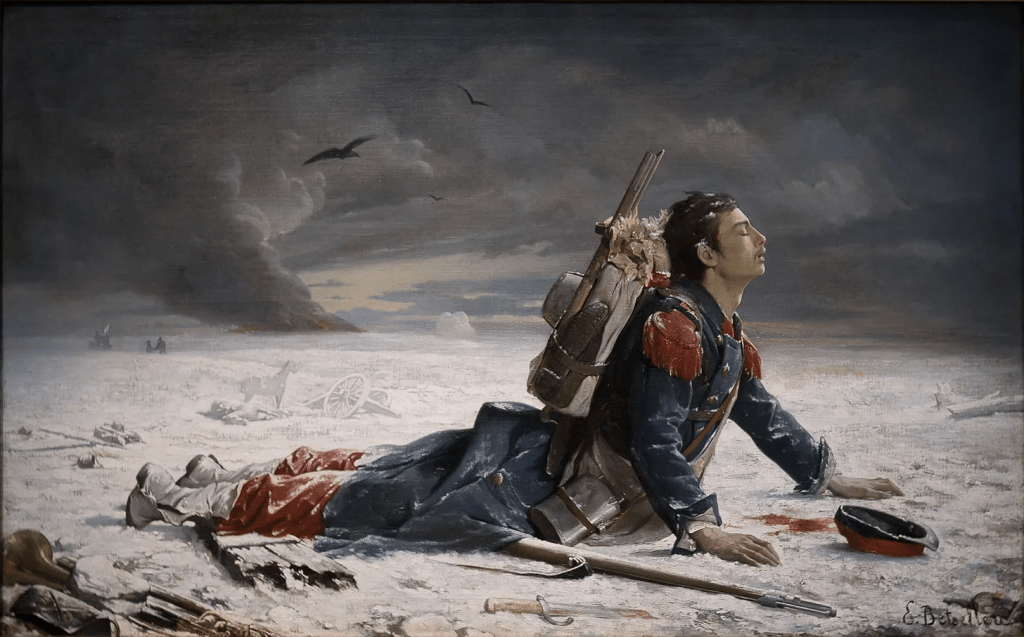
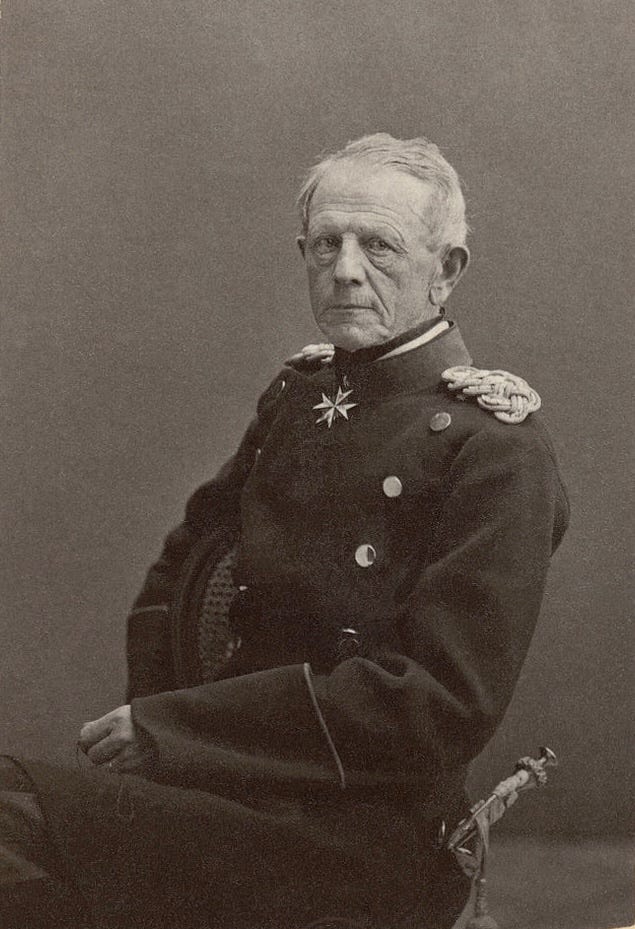
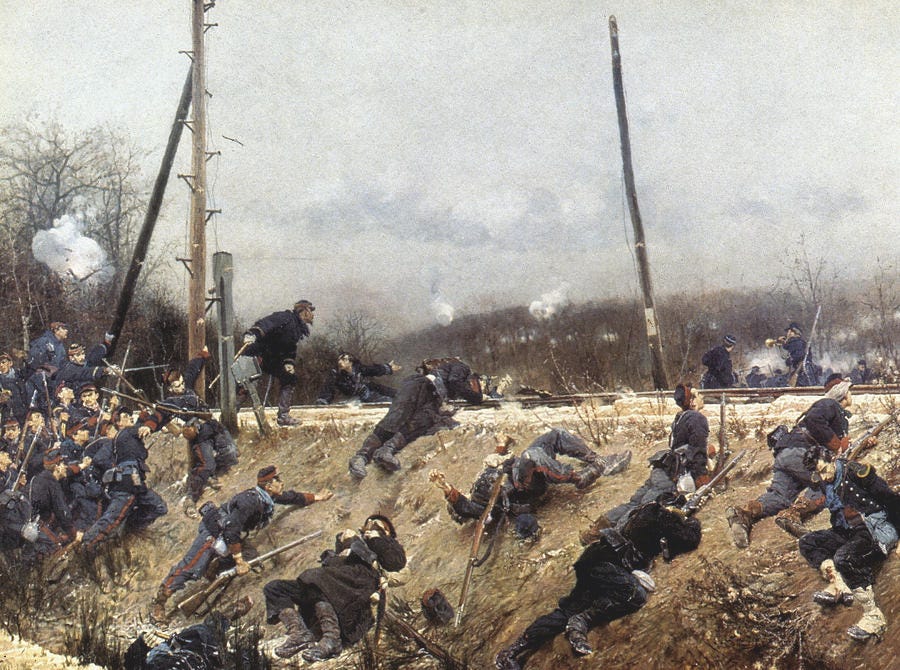
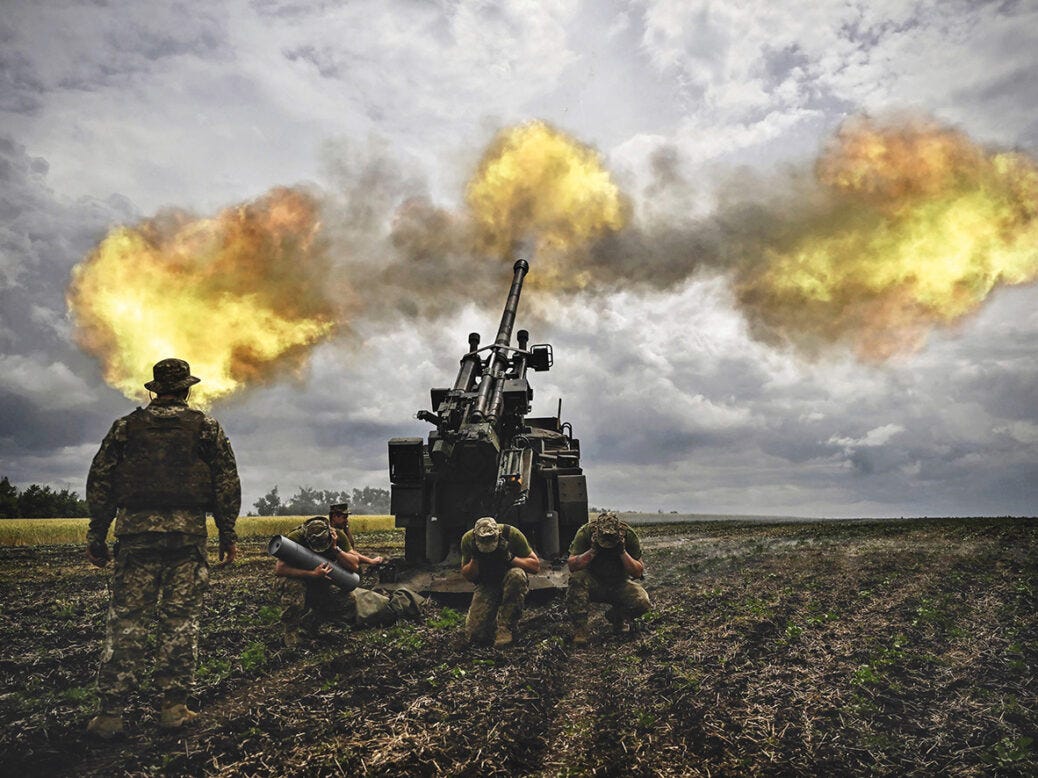
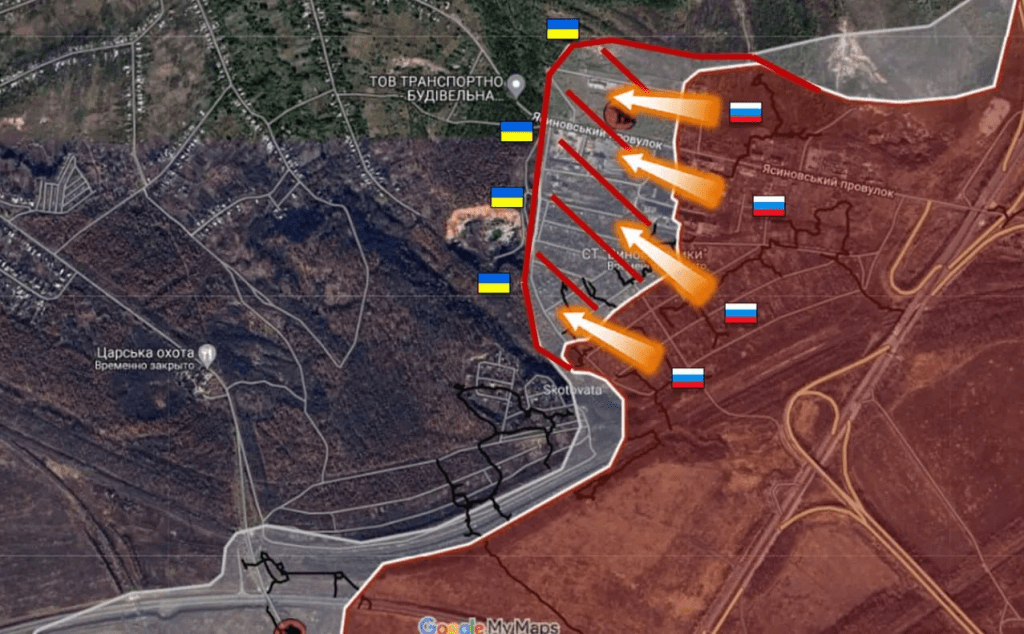
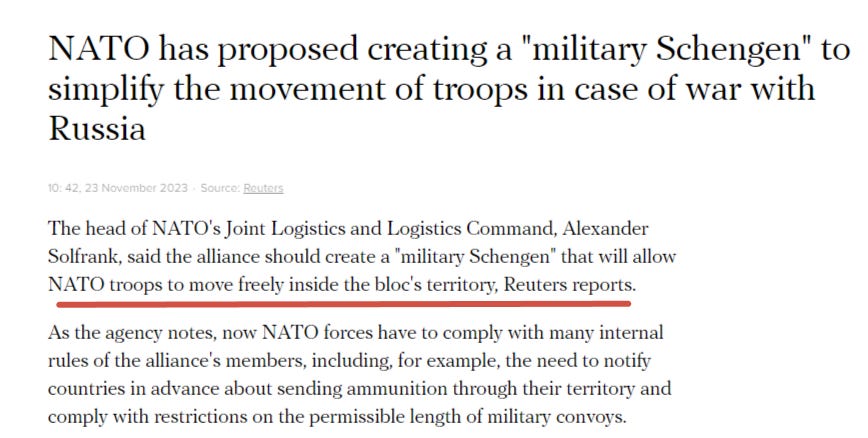

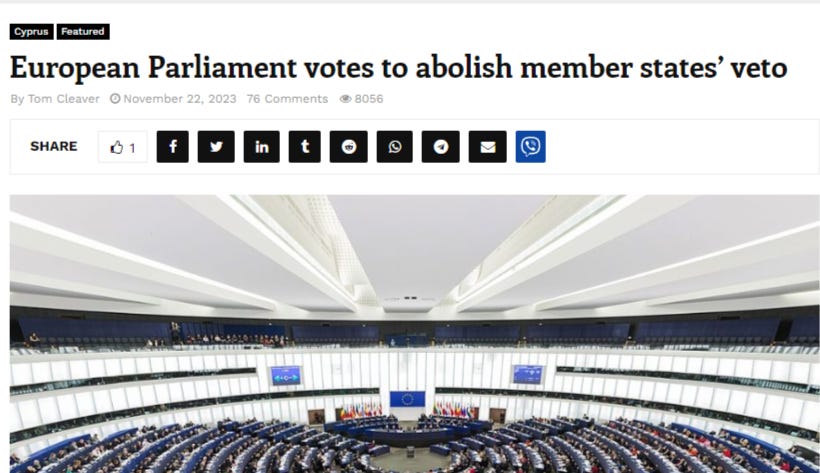





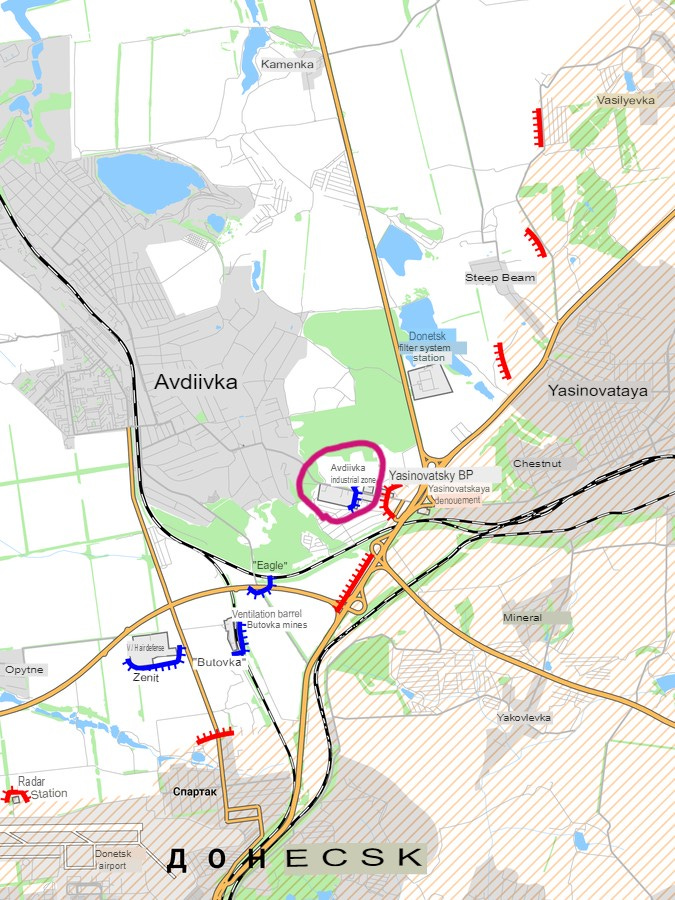
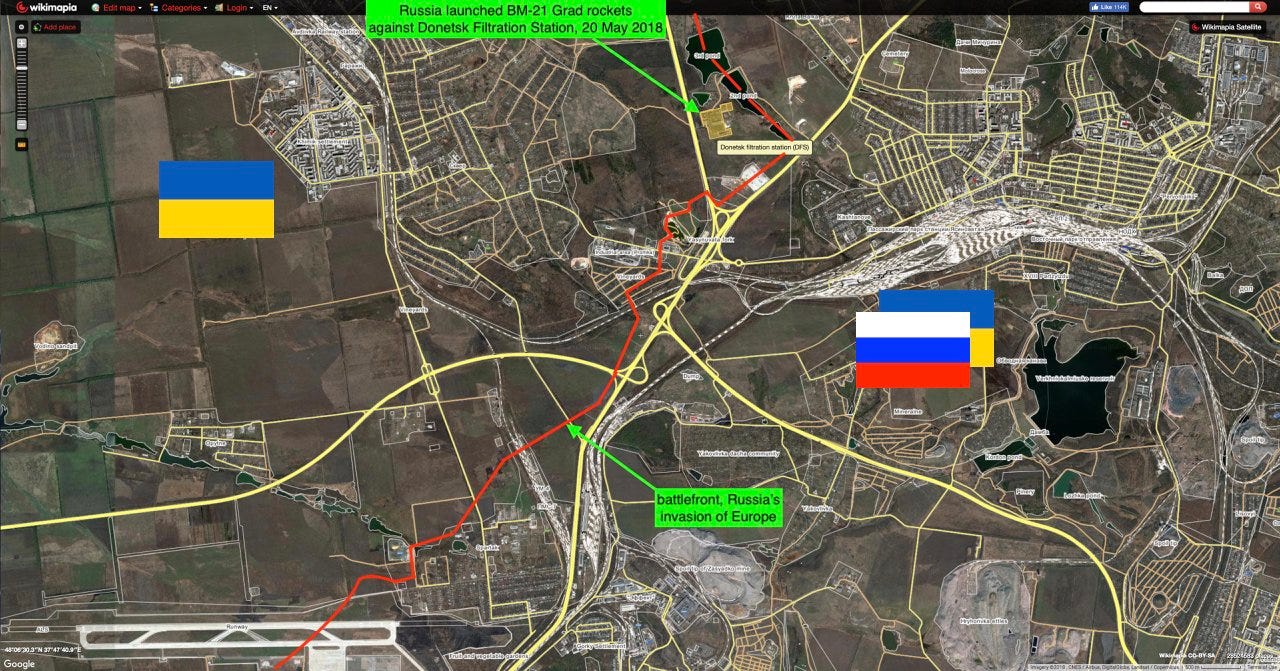
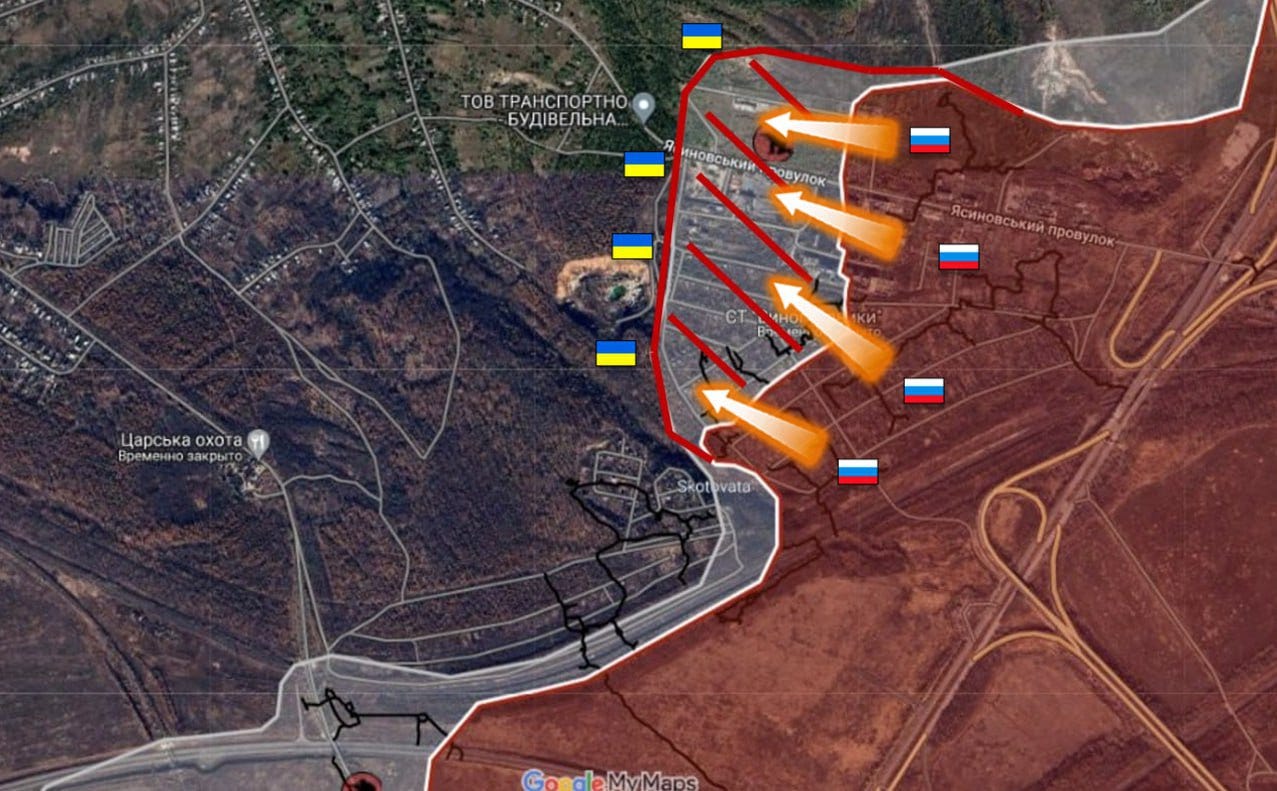
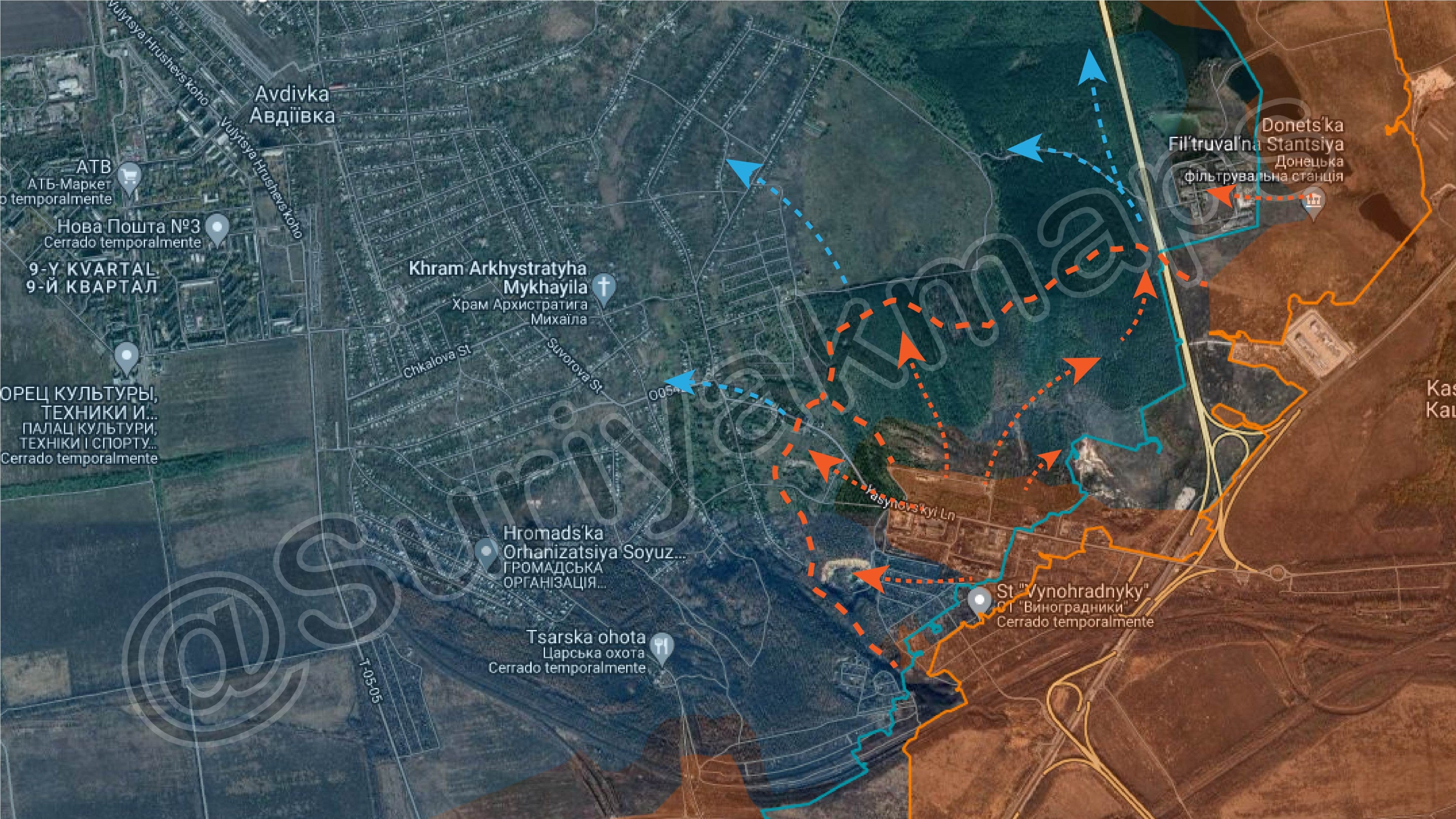
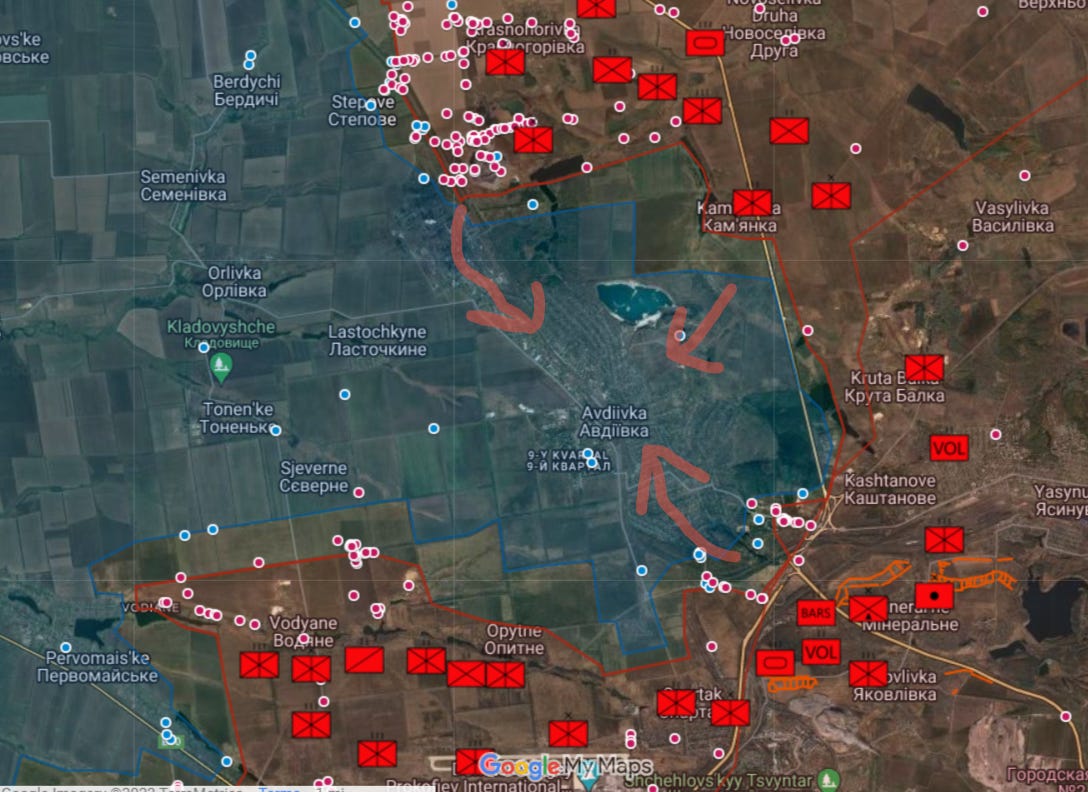


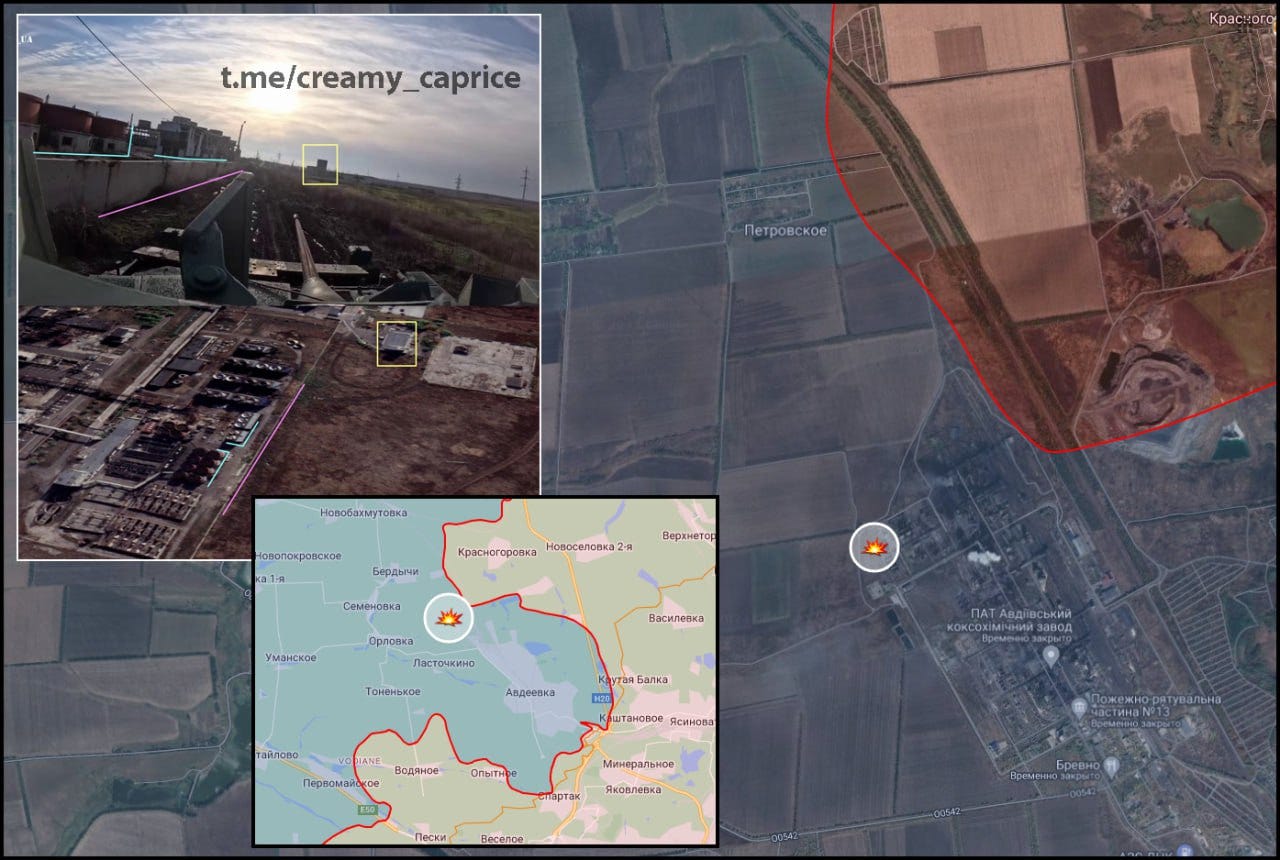
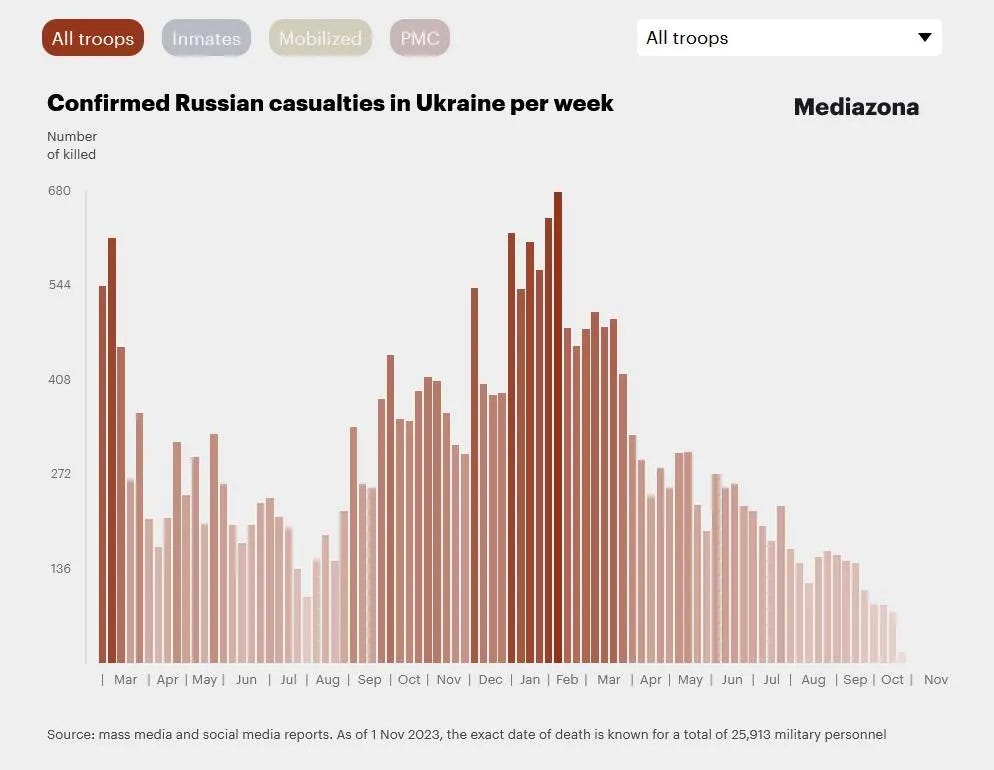
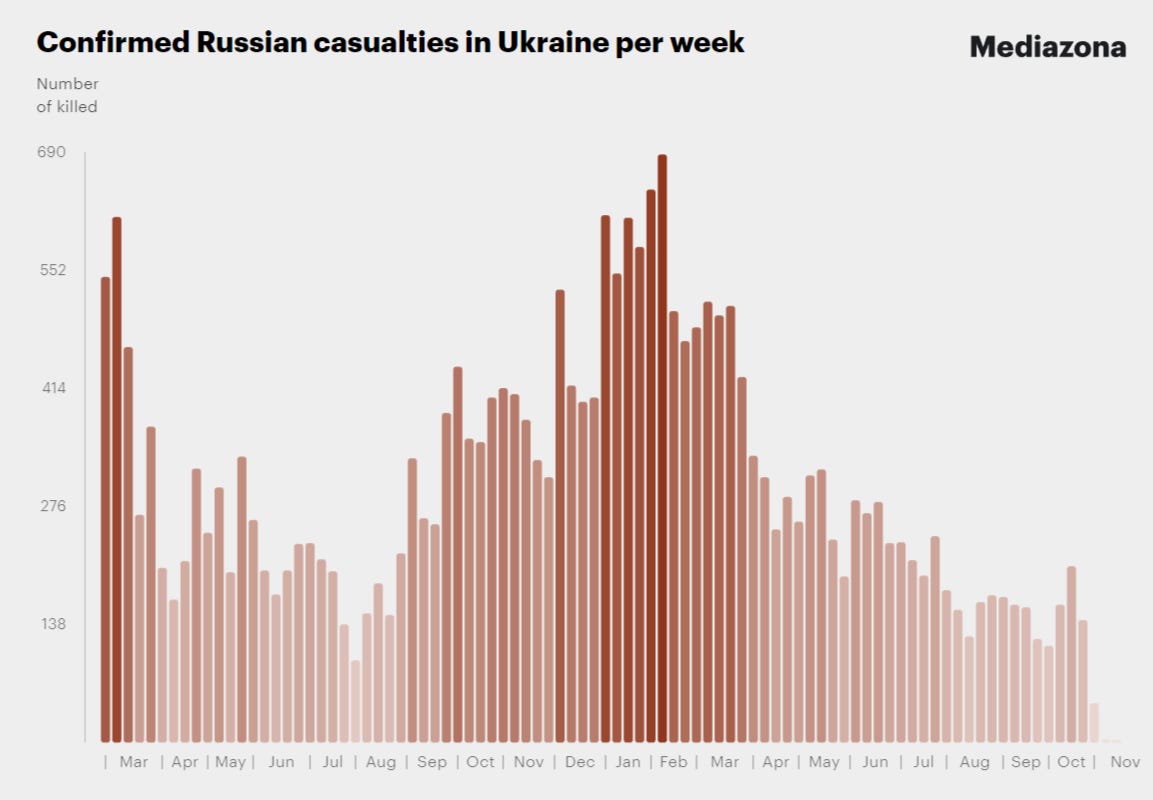
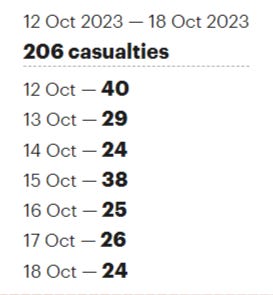


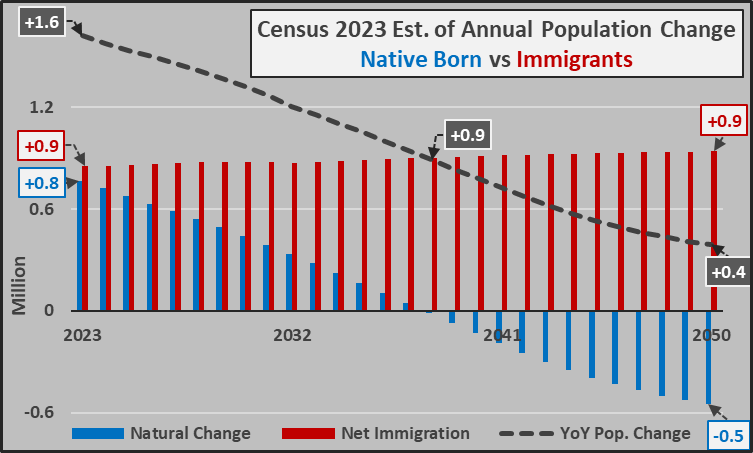
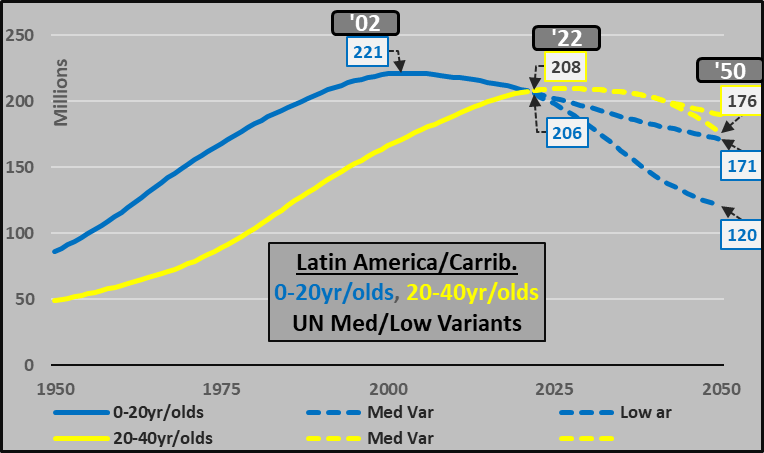
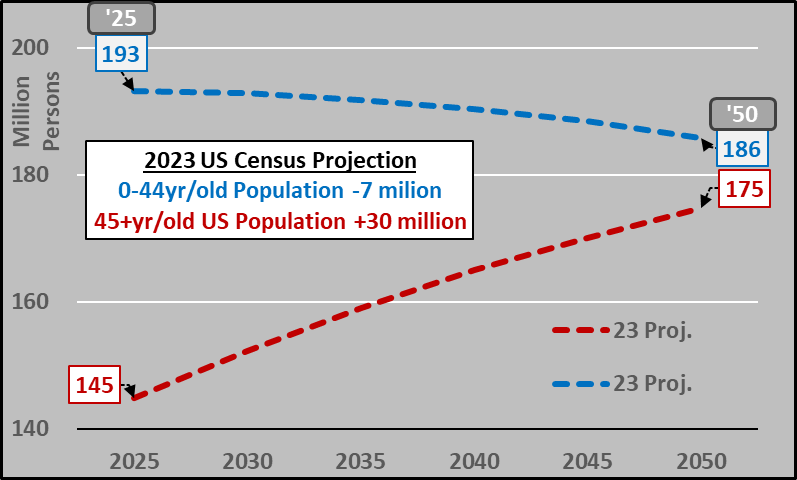

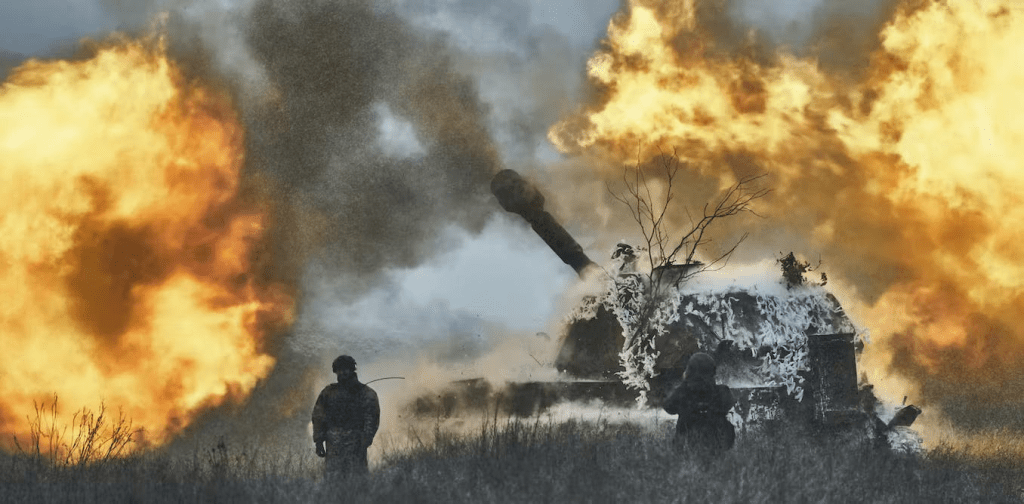
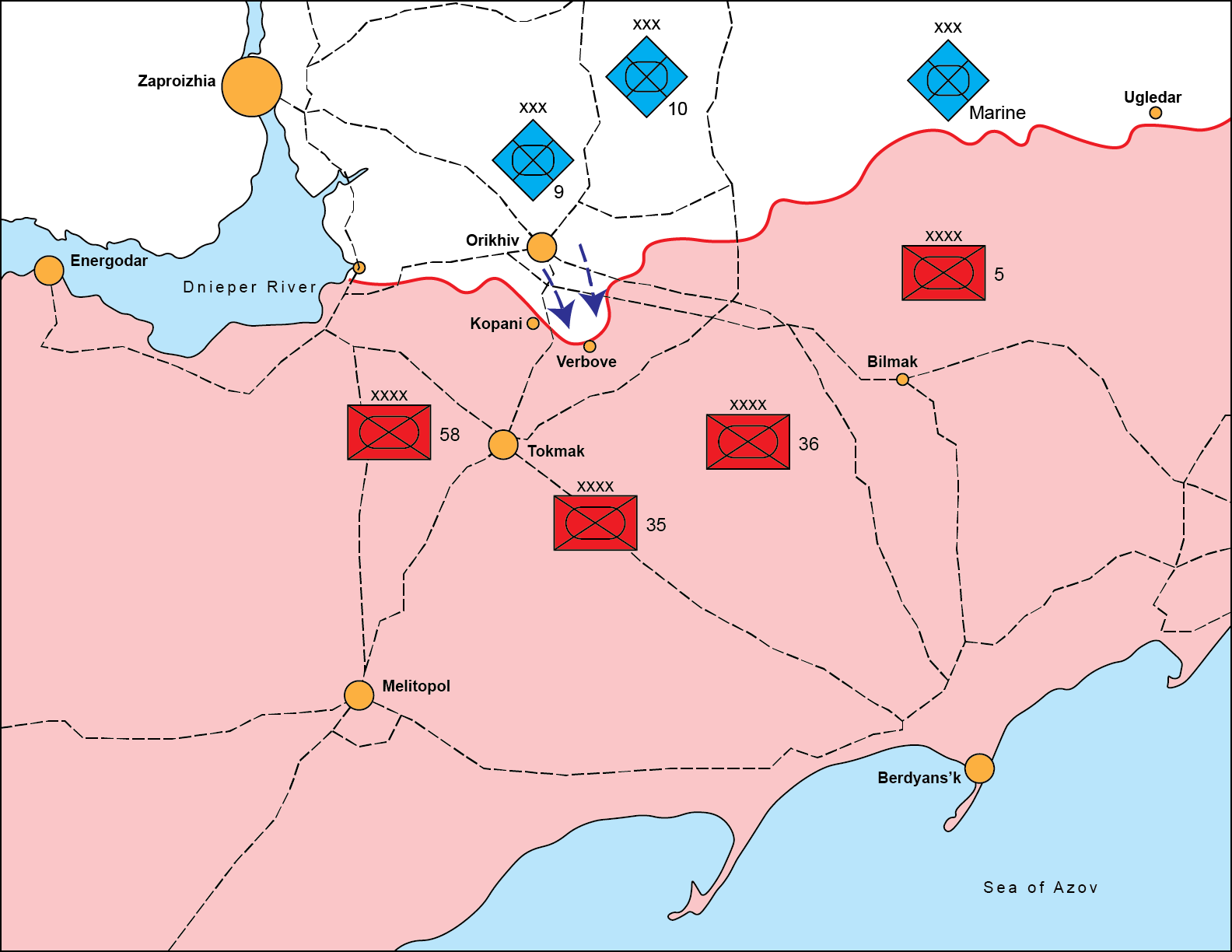
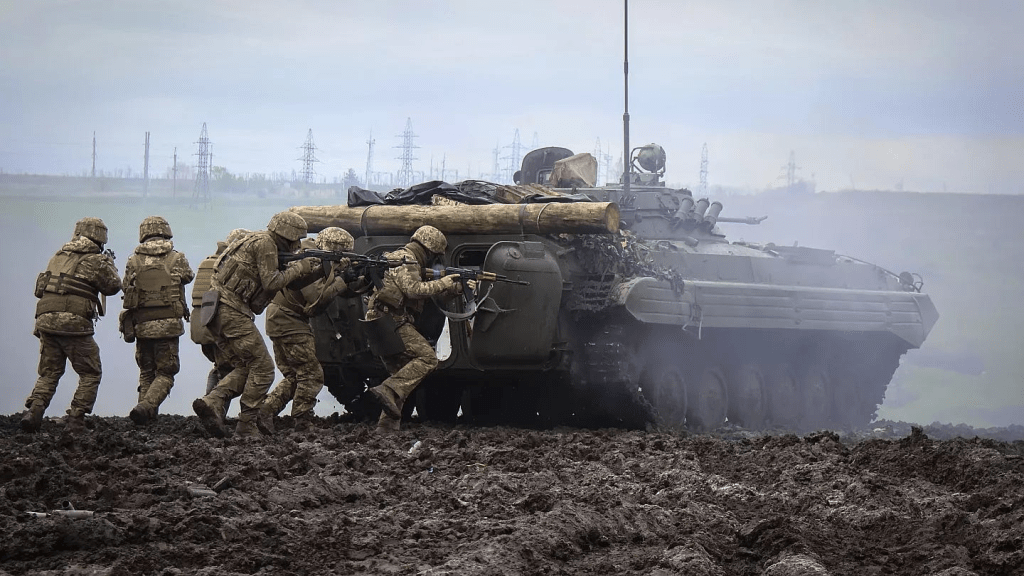
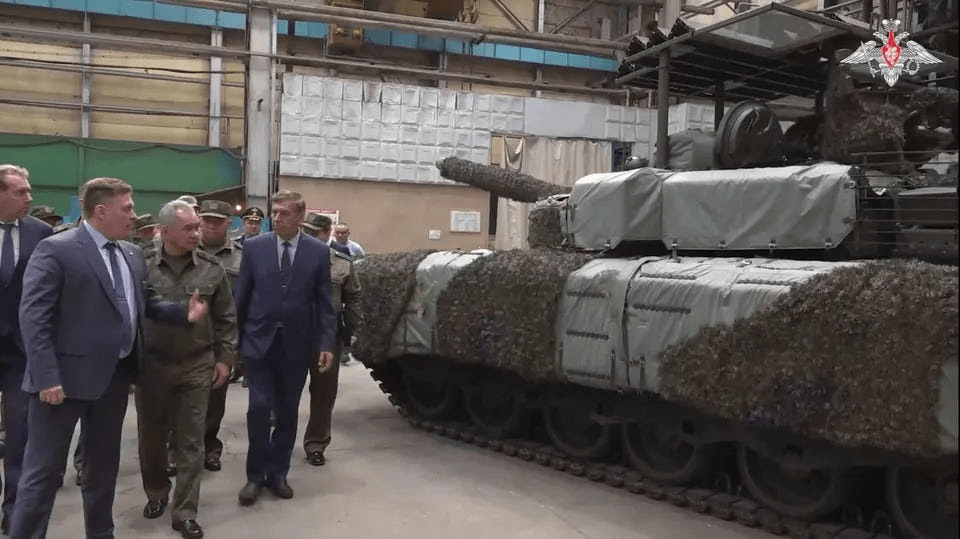
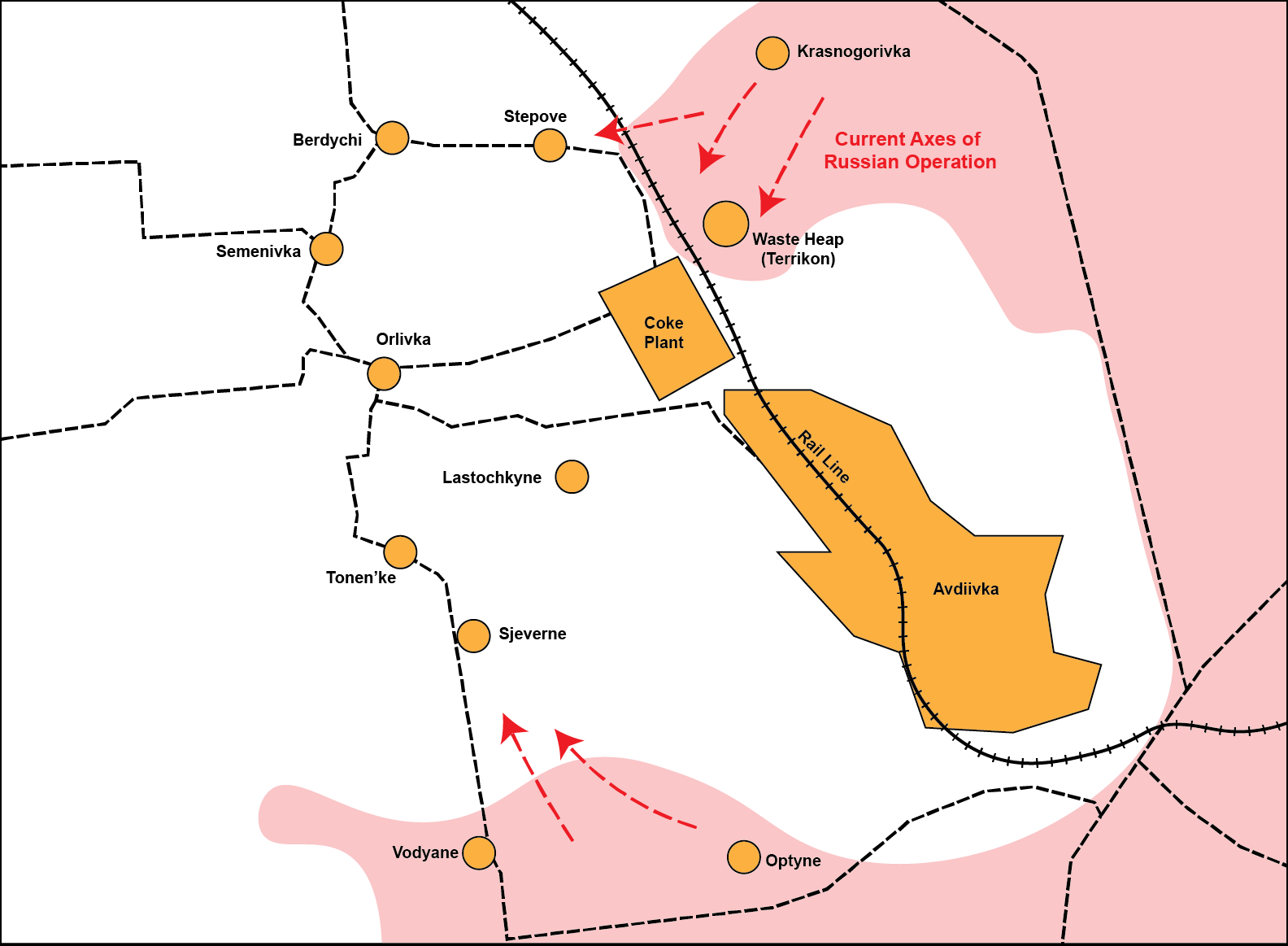
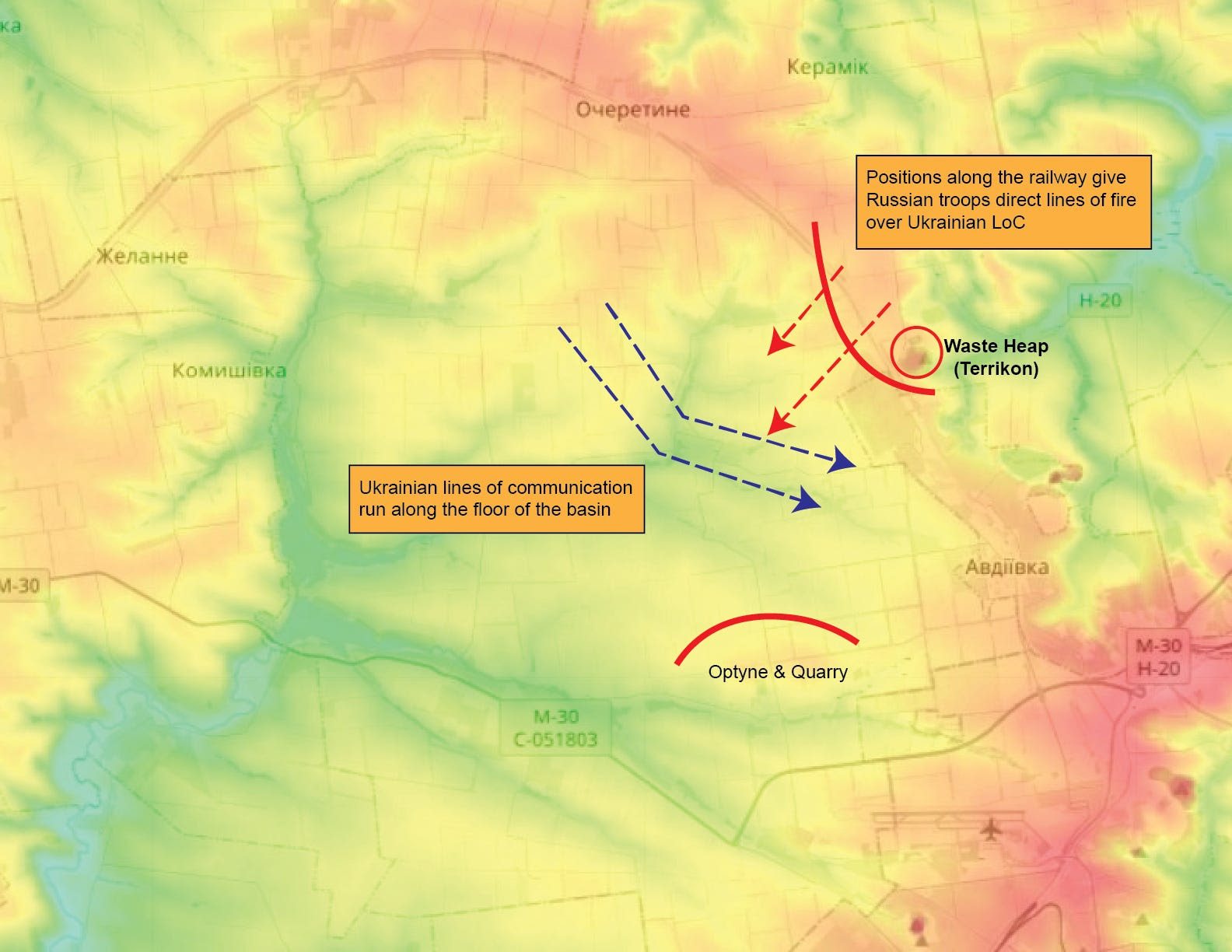
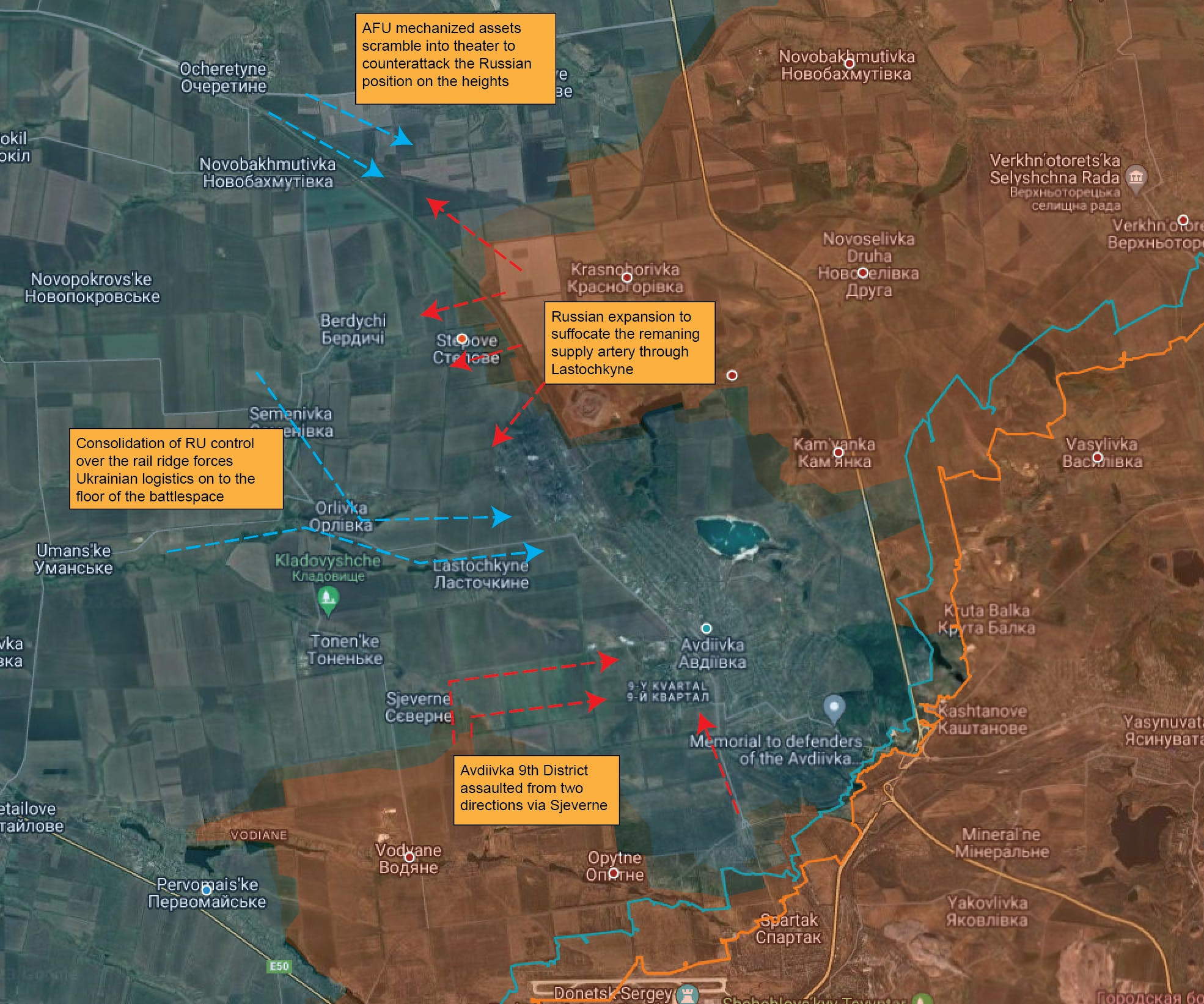

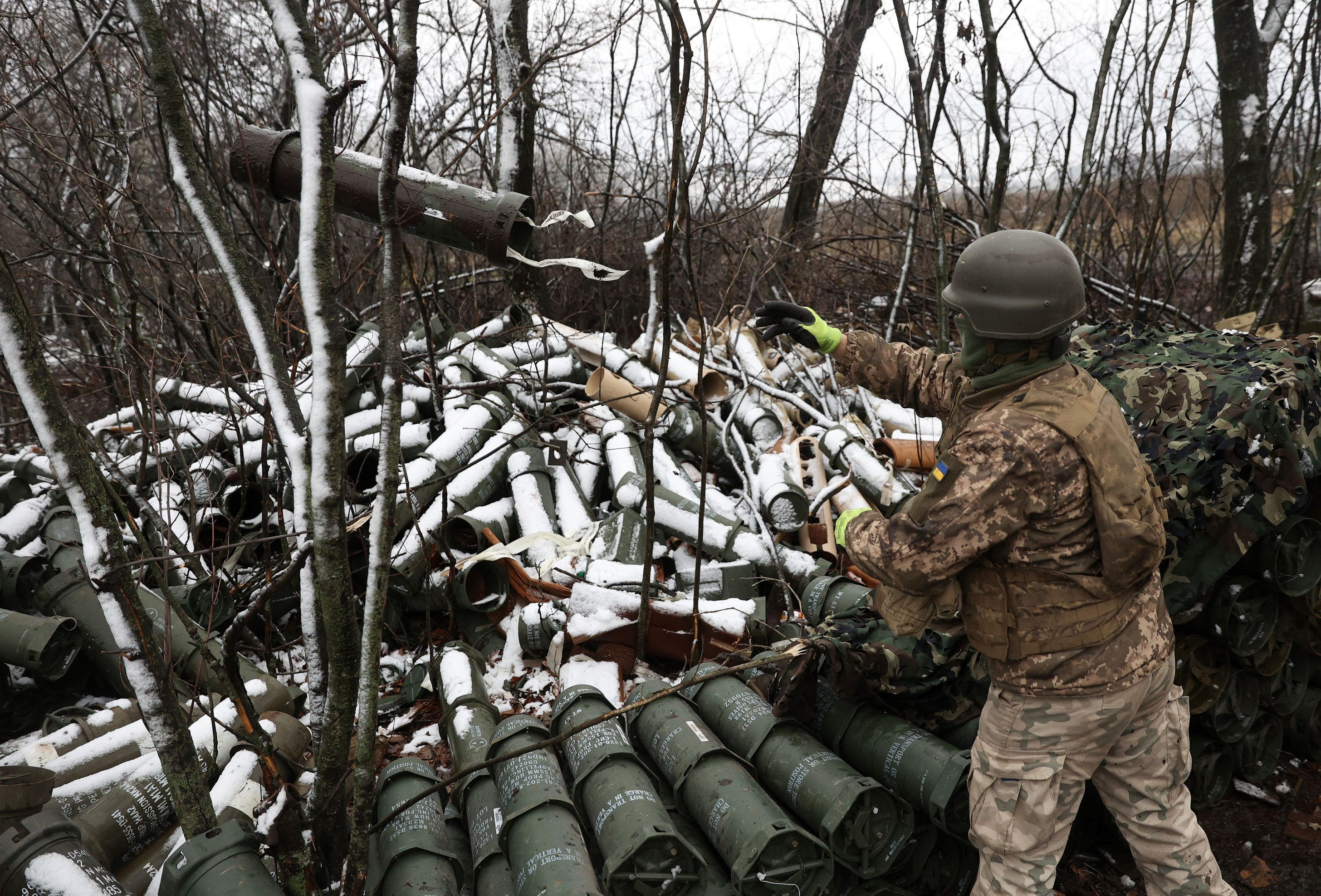
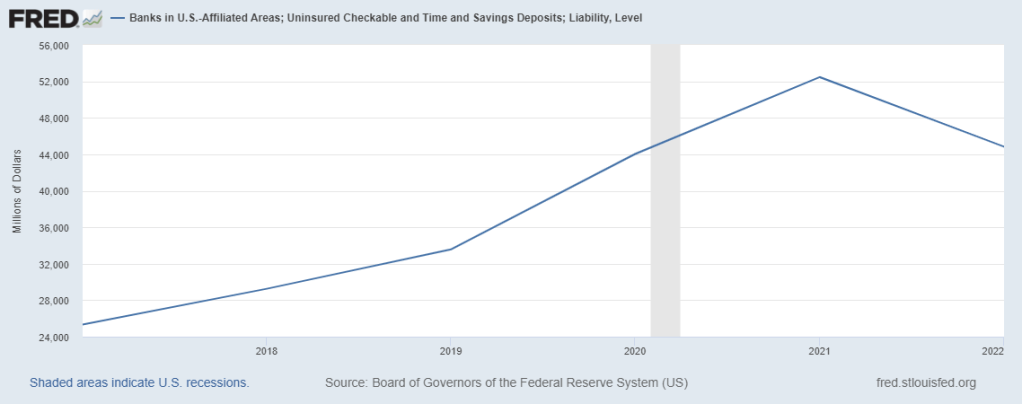
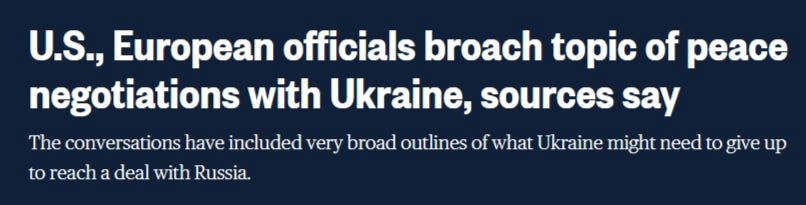

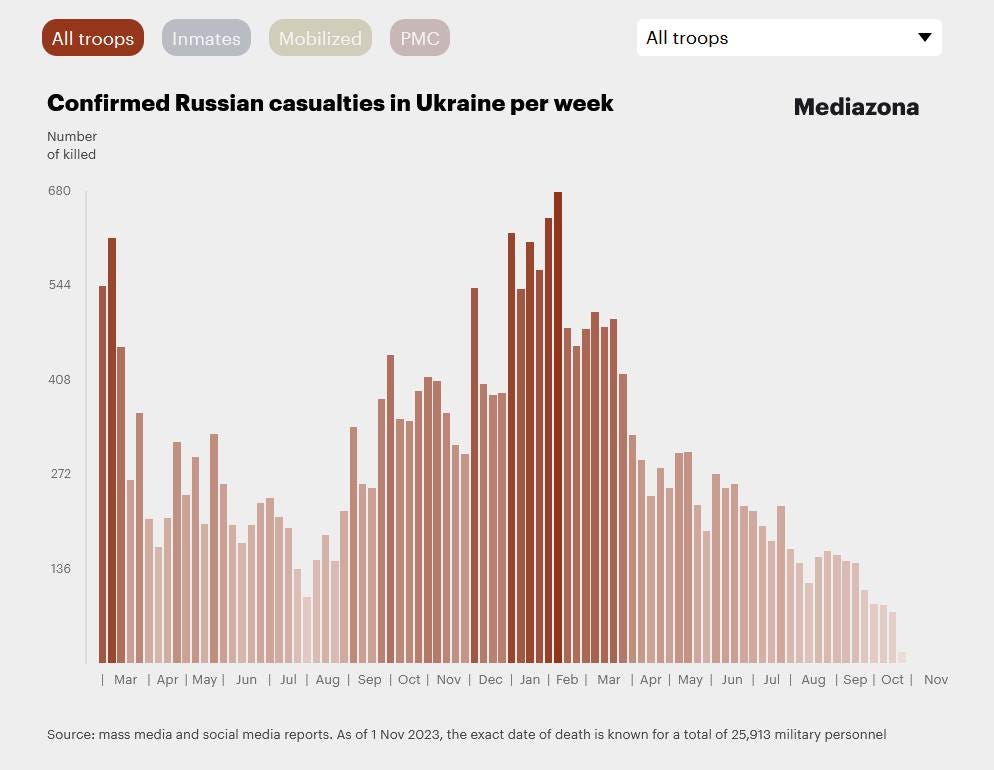
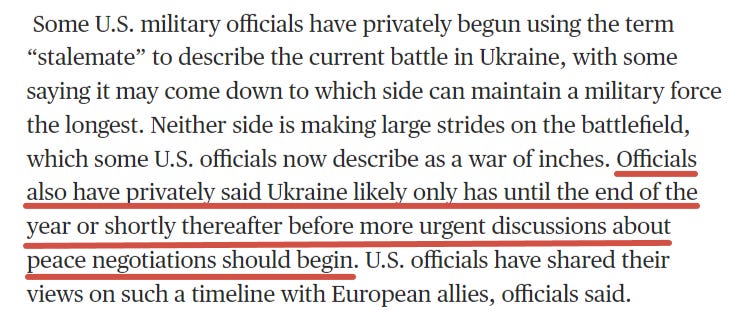

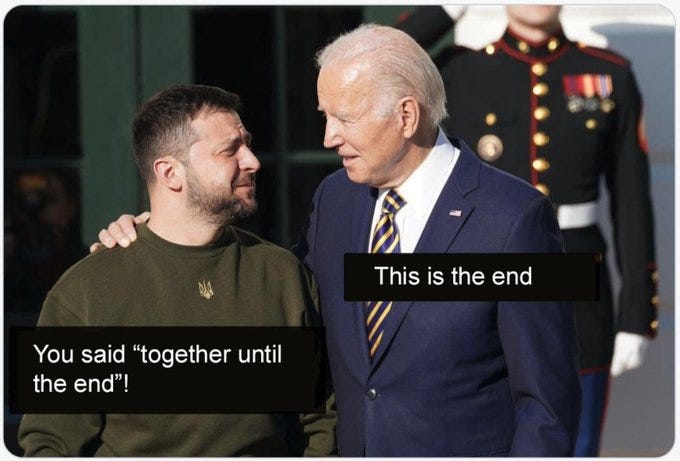

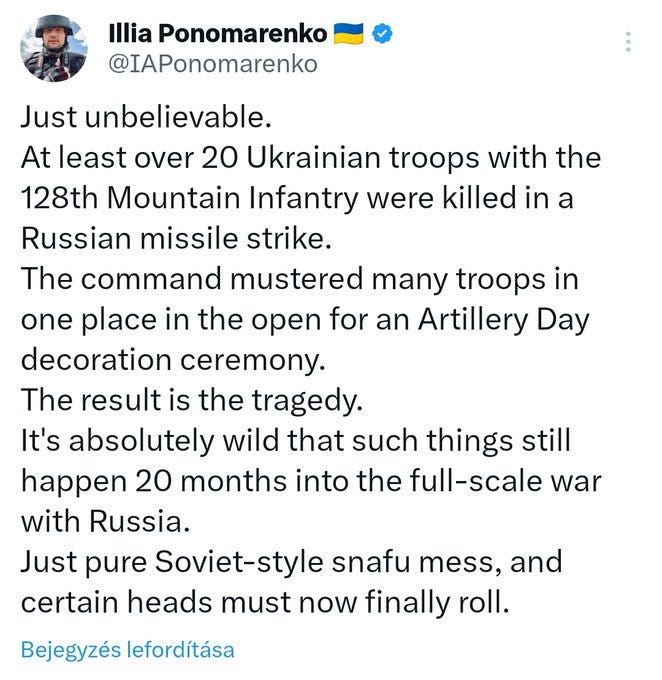

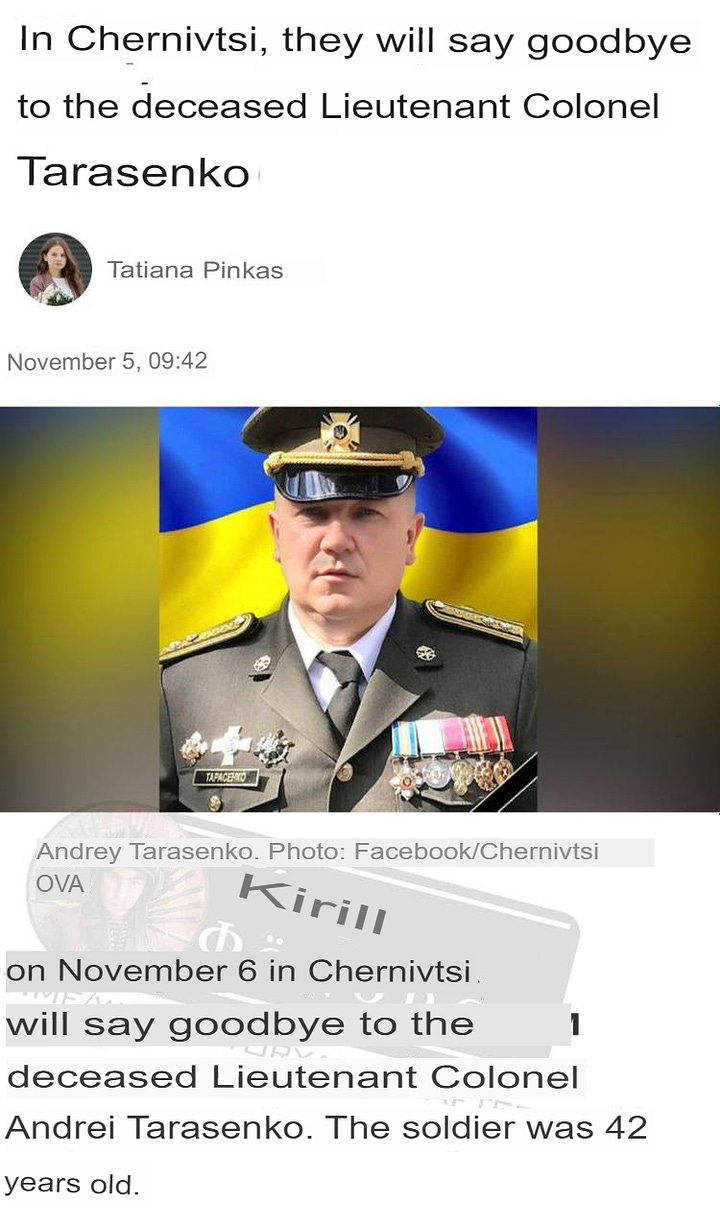

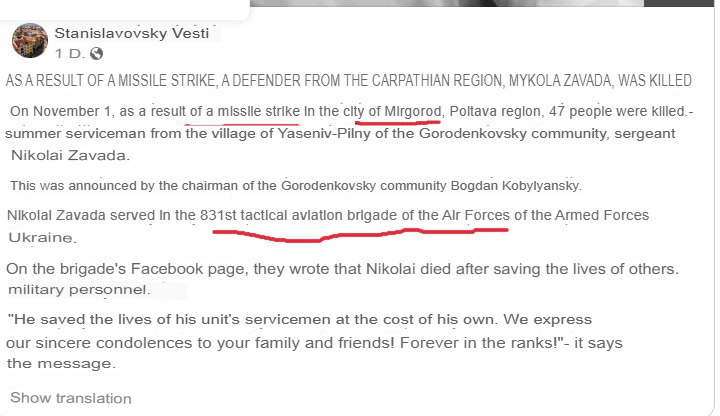


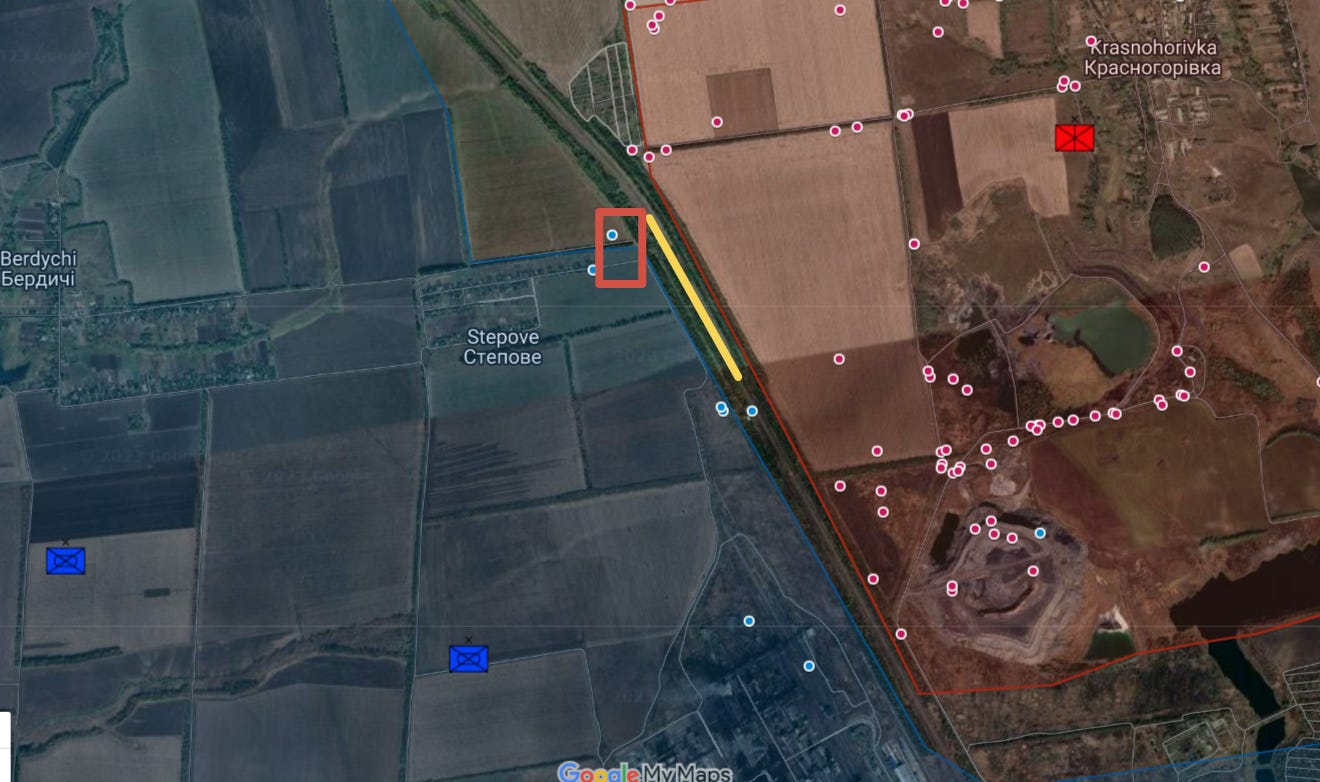

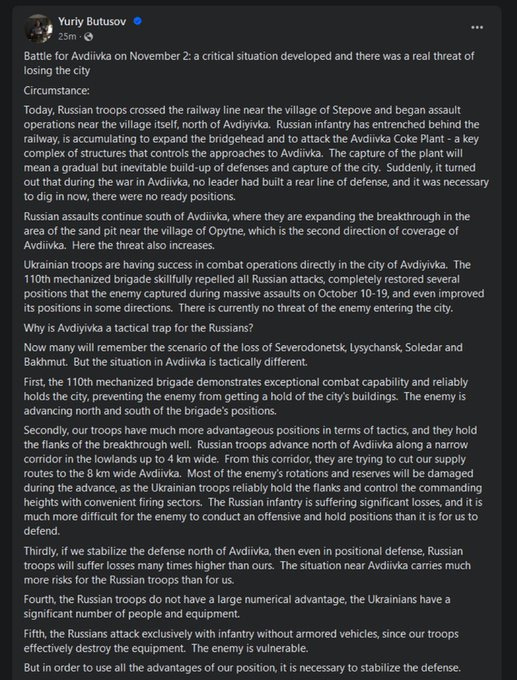
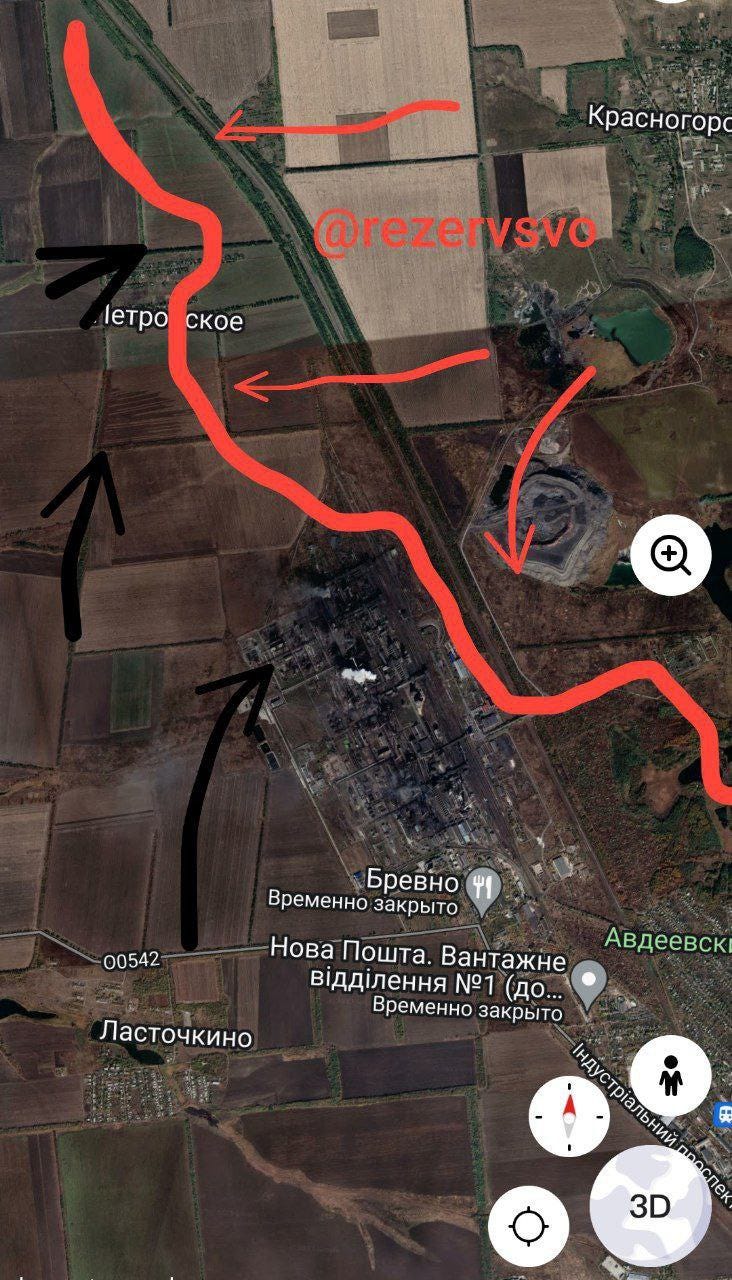



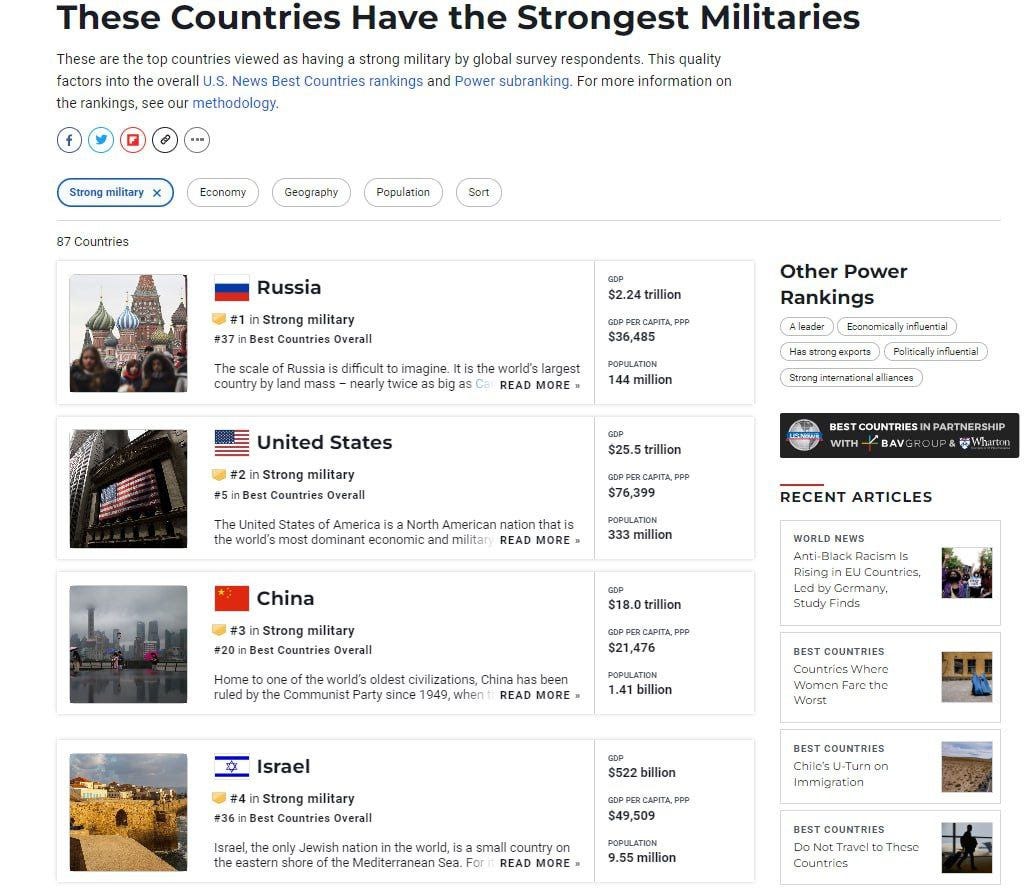
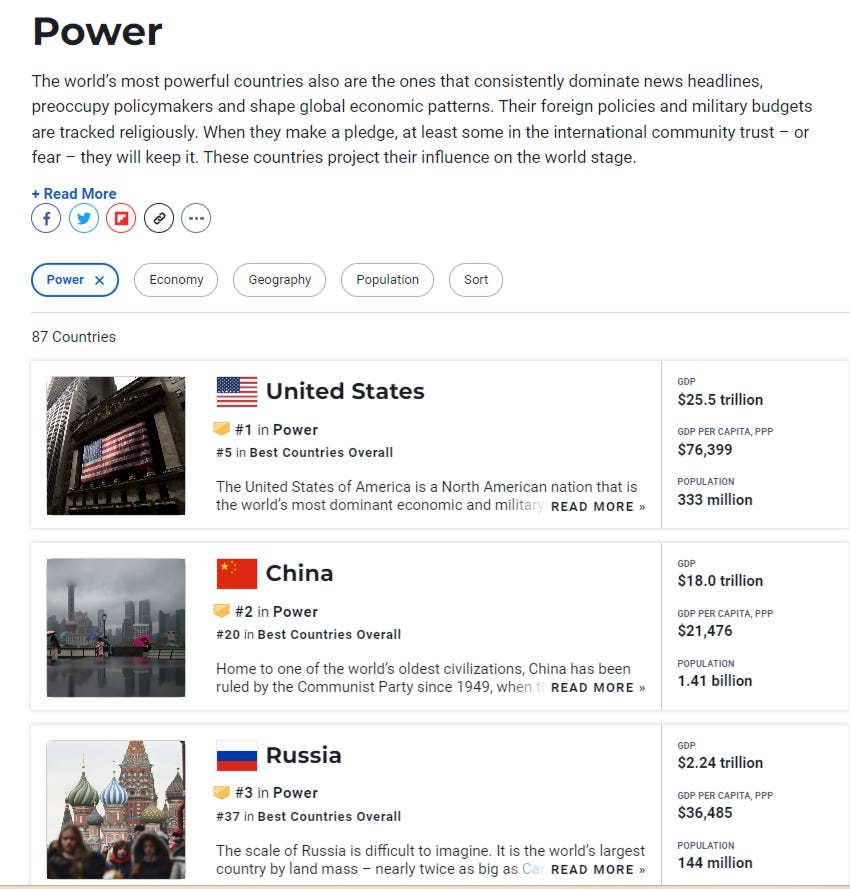
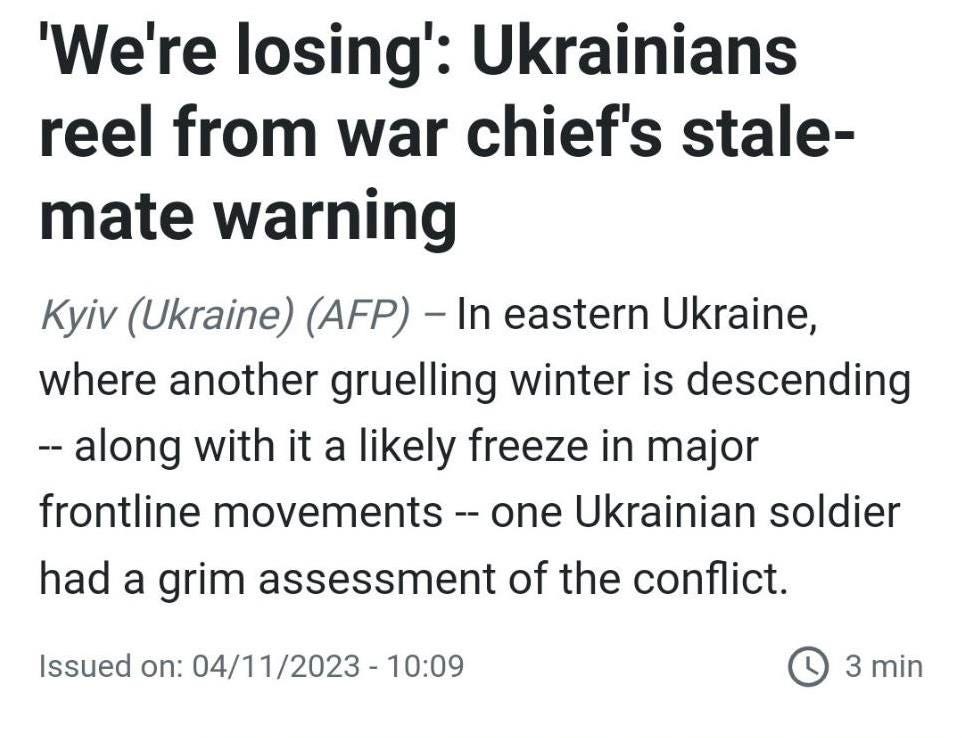

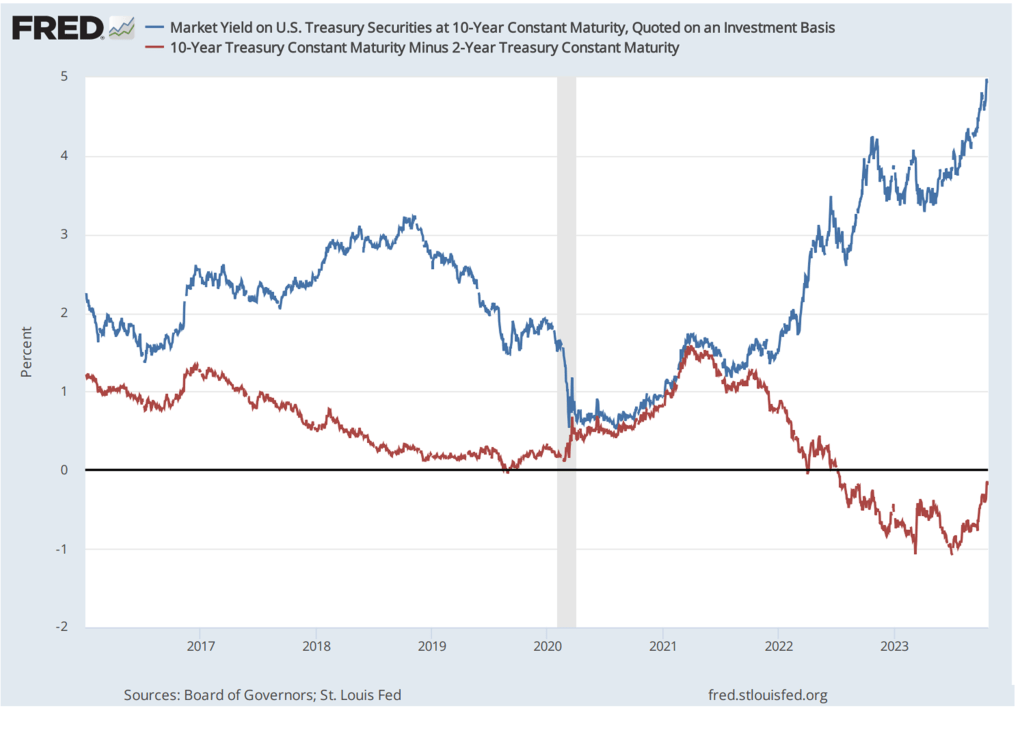


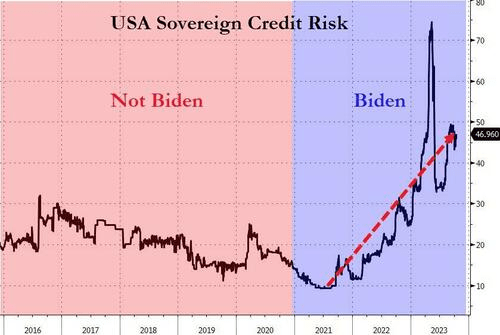
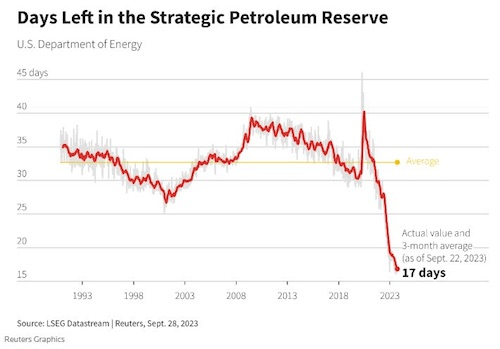

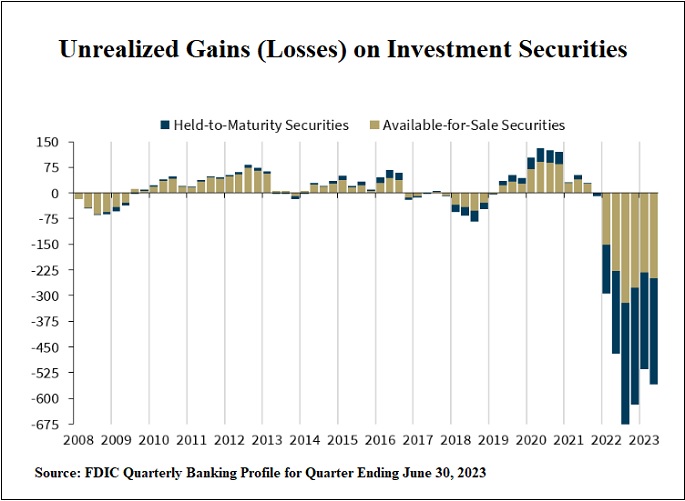
 Econophysics2020