CoVid Viral Load: What is Truth?

This scanning electron microscope image shows SARS-CoV-2 (yellow)—also known as 2019-nCoV, the virus that causes COVID-19—isolated from a patient in the U.S., emerging from the surface of cells (blue/pink) cultured in the lab.

From Off-Guardian:

In a request for a study which shows complete isolation and purification of the particles claimed to be SARS-CoV-2, Michael Laue from one of the world’s most important representatives of the COVID-19 “panicdemic,” the German Robert Koch Institute (RKI), answered that[1]:

I am not aware of a paper which purified isolated SARS-CoV-2.

This is a more than remarkable statement, it is admitting a complete failure. This concession is in line with the statements we presented in our article “COVID-19 PCR Tests Are Scientifically Meaningless” which OffGuardian published on June 27th, 2020 — a piece that was the first one worldwide outlining in detail why SARS-CoV-2 PCR tests are worthless for the diagnosis of a viral infection.

Of course, a line like that should prompt a full reading of the piece. There is more to this story than the lead. And the story is worth reading.

In line with the thread is a perspective published in the New England Journal of Medicine (Mina et al., 2020) from which a no less tantalizing line leads:

It’s time to change how we think about the sensitivity of testing for Covid-19. The Food and Drug Administration (FDA) and the scientific community are currently almost exclusively focused on test sensitivity, a measure of how well an individual assay can detect viral protein or RNA molecules. Critically, this measure neglects the context of how the test is being used. Yet when it comes to the broad screening the United States so desperately needs, context is fundamental. The key question is not how well molecules can be detected in a single sample but how effectively infections can be detected in a population by the repeated use of a given test as part of an overall testing strategy — the sensitivity of the testing regimen.

A similar story by The New York Times reports:

In three sets of testing data that include cycle thresholds, compiled by officials in Massachusetts, New York and Nevada, up to 90 percent of people testing positive carried barely any virus, a review by The Times found.

In addition to false positives reported by RT-PCR tests, there is the question of false negatives. How often does the general class of RT-PCR tests report negative results when the virus may be associated with pneumonia?

Here is Fang et al.,2020:

In our series, the sensitivity of chest CT was greater than that of RT-PCR (98% vs 71%, respectively; P < .001). The reasons for the low efficiency of viral nucleic acid detection may include (a) immature development of nucleic acid detection technology, (b) variation in detection rate from different manufacturers, (c) low patient viral load, or (d) improper clinical sampling. The reasons for the relatively lower detection rate with RT-PCR in our sample compared with a prior report are unknown (3). Our results support the use of chest CT to screen for COVID-19 in patients with clinical and epidemiologic features compatible with COVID-19 infection, particularly when results of RT-PCR tests are negative.

Here is Zitek, 2020:

The sensitivity and specificity of nasopharyngeal swabs using RT-PCR for the diagnosis of COVID-19 cannot be precisely determined with the published data to this point. However, the available in vitro data along with minimal clinical data suggest that the test has very high specificity. On the other hand, the sensitivity is moderate (perhaps between 63–78%). Among the various ways of performing RT-PCR, pharyngeal swabs seem to have lowest sensitivity; nasal swabs may be a bit more sensitive than pharyngeal swabs. RT-PCR analysis of BAL fluid seems to be the most accurate means of virologic confirmation, but BAL fluid can only reasonably be collected on the sickest cohort of patients. For patients with moderate to severe COVID-19 symptoms, identifying characteristic findings on CT imaging of the chest may be more sensitive than RT-PCR testing.

Boger et al., 2021 provides a meta-analysis of CoVid test accuracy considering 16 studies published in April 2020. They assessed a range of tests, including several kinds of PCR tests and observer:

Sixteen studies were evaluated. Meta-analysis showed that computed tomography has high sensitivity (91.9% [89.8%-93.7%]), but low specificity (25.1% [21.0%-29.5%]). The combination of IgM and IgG antibodies demonstrated promising results for both parameters (84.5% [82.2%-86.6%]; 91.6% [86.0%-95.4%], respectively). For RT-PCR tests, rectal stools/swab, urine, and plasma were less sensitive while sputum (97.2% [90.3%-99.7%]) presented higher sensitivity for detecting the virus.

Jaafer et al., 2021 breaks this all down.

It can be observed that at Ct = 25, up to 70% of patients remain positive in culture and that at Ct = 30 this value drops to 20%. At Ct = 35, the value we used to report a positive result for PCR, <3% of cultures are positive. Our Ct value of 35, initially based on the results obtained by RT-PCR on control negative samples in our laboratory and initial results of cultures [8], is validated by the results herein presented and is in correlation with what was proposed in Korea [9] and Taiwan [10]. We could observe that subcultures, especially the first one, allow an increasing percentage of viral isolation in samples with Ct values, confirming that these high Ct values are mostly correlated with low viral loads. From our cohort, we now need to try to understand and define the duration and frequency of live virus shedding in patients on a case-by-case basis in the rare cases when the PCR is positive beyond 10 days, often at a Ct >30. 

Percentage of positive viral cultures of severe acute respiratory syndrome coronavirus 2 polymerase chain reaction–positive nasopharyngeal samples from coronavirus disease 2019 patients, according to Ct value (plain line). The dashed curve indicates the polynomial regression curve. Abbreviations: Ct, cycle threshold; Poly., polynomial.

References:

Böger, B., Fachi, M. M., Vilhena, R. O., Cobre, A. F., Tonin, F. S., & Pontarolo, R. (2021). Systematic review with meta-analysis of the accuracy of diagnostic tests for COVID-19. American Journal of Infection Control49(1), 21–29.

Fang, Y., Zhang, H., Xie, J., Lin, M., Ying, L., Pang, P., & Ji, W. (2020). Sensitivity of chest CT for COVID-19: Comparison to RT-PCR. Radiology296(2), E115–E117.

Jaafar, R., Aherfi, S., Wurtz, N., Grimaldier, C., Hoang, V. T., Colson, P., … La Scola, B. (2020). Correlation between 3790 qPCR positives samples and positive cell cultures including 1941 SARS-CoV-2 isolates. Clinical Infectious Diseases: An Official Publication of the Infectious Diseases Society of America. doi:10.1093/cid/ciaa1491

Mandavilli, A. (2020, August 29). Your Coronavirus test is positive. Maybe it shouldn’t be. The New York Times. Retrieved from https://www.nytimes.com/2020/08/29/health/coronavirus-testing.html

Mina, M. J., Parker, R., & Larremore, D. B. (2020). Rethinking covid-19 test sensitivity – A strategy for containment. The New England Journal of Medicine383(22), e120.

Zitek, T. (2020). The appropriate use of testing for COVID-19. The Western Journal of Emergency Medicine21(3), 470–472.

Off-Guardian:

Climate Change – Solar Minimum Edition

Arctic air is set to hamer North America from the midwest to the northeast.

The temperature anomalies are expected to drive temperatures some 20C below winter average, piling onto the declining climate temperature trends observed in recent months.

Unprecdented amounts of snow is also expected.

The weakened solar cycle translates to disrupted jet streams, reverting their flows created intense merdional flows as is evident in the NOASS GFS simulations sinking polar cold unusually-far south.

Note the shifting temperature trends are evident in prior months and will continue to attentuate cyclic patterns both annually and in the short solar cycle.

Long Acme

From EvilSpeculator: https://evilspeculator.com/long-acme/

Social media giants have been channeling their inner Wile E. Coyote over the past few days for rather obvious reasons you are most likely aware of but which clearly fall outside the context of what we do and worry about here at Evil Speculator. Again, there is a myriad of places that relish in that kind of discourse and if you feel like yelling at and insulting people you’ve never met on the Internet you’ll be much better off over there. So let’s put our respective political ideologies on ice for a moment and simply look at what’s going on from a purely strategic perspective. Or in other words – how we can we take advantage?

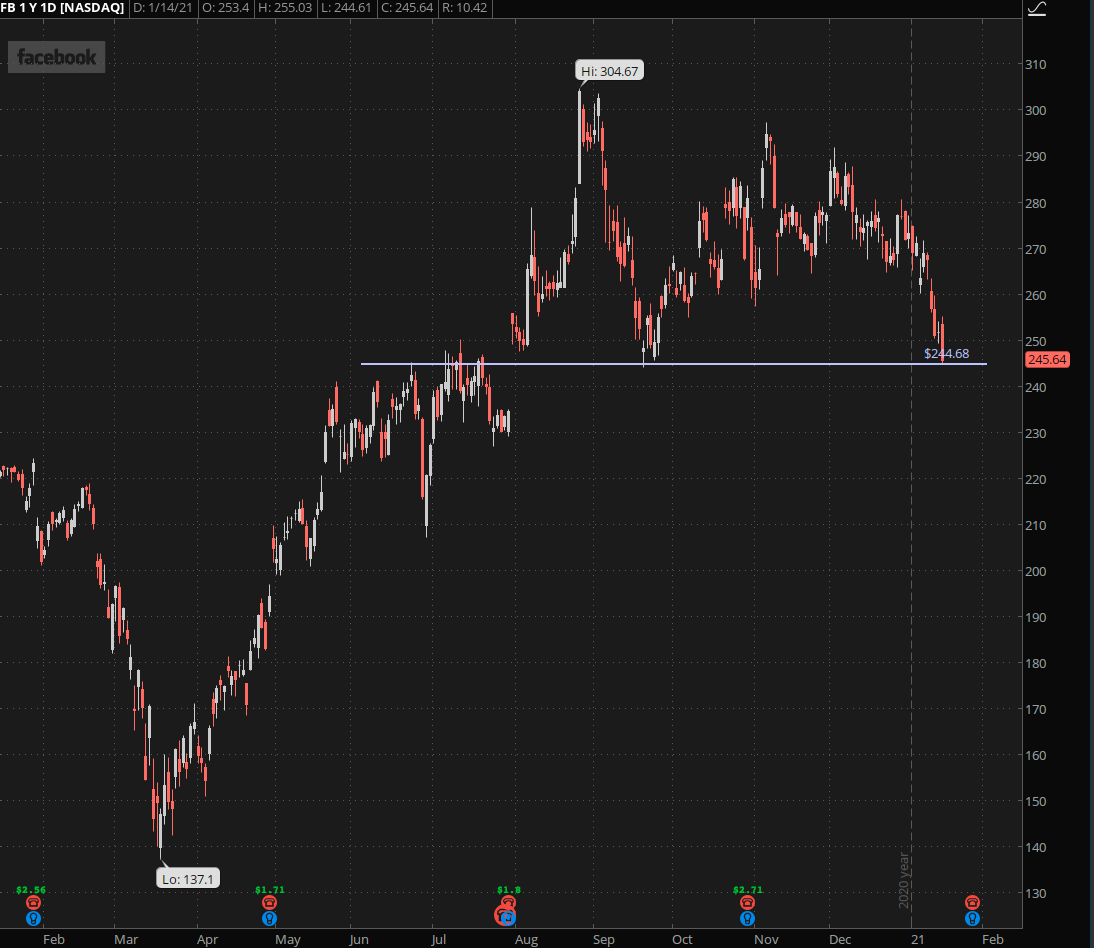
Facebook seems to have an Acme anvil tied to its ankle right now and the current formation does not invoke a lot of optimism. Earnings are coming up in a week or so, and that in addition to the current political drama may drag it toward the 220 mark or lower. Assuming it breaches through the 245 mark which appears to be a major inflection point.

More at Evil Speculator.

A Funny Thing Happened on the Way to Wall Street

Per Slope of Hope: https://slopeofhope.com/2021/02/a-funny-thing-happened-on-the-way-to-wall-street.html#more-193031

Originally published by friend-of-Slope MoleCool, AKA EvilSpeculator:

So a funny thing happened on the way to Wall Street last week. A rabid rabble of Robinhood retail rats on Reddit took advantage of a perceived market inefficiency in Gamestop (GME) and decided it would be a fun idea to drive up the stock and in the process stick it to the ‘man’ as an extra bonus. As you would expect it didn’t take long until all hell broke loose, for the high priests of finance don’t enjoy seeing their sacred privileges challenged. So they did what any self respecting incumbent would do: They decided to make a phone call…

Now say what you will about Gamestop’s true valuation, let’s be clear about the fact that there is nothing illegal whatsoever about a stock someone wants to buy and hold. Maybe he likes that stock. Or maybe she just loves to HODL. As Mark Cuban quipped ‘there are many reasons why someone would want to BUY a stock.’ NOT rapidly bounce it back and forth in an organized manner to devalue the stock in question. Like some people may have done – allegedly.

And it’s not that they all colluded and somehow accumulated 140% in short float in order to drive down the price of GME and then later buy it all back for chump change. Ridiculous! I mean that would not only be illegal but outright impossible, right? How could anyone ever borrow more stock than there is in actual existence? Asking for a friend.

Which is the reason why the current Kabuki theater that is playing out across the financial MSM may surprise the astute observer. Not me of course, as I’ve long learned that, just like the Pope, the Fed is infallible and that Wall Street insiders are all tripping over themselves in order to do God’s work. May the Lord bless them and their Swiss bankers.

So who’s to blame here? Many point to r/wallstreetbets and claim that a concerted DoS style buying spree of GME, AMC, BBBY, and a few others clearly constitutes ‘insider trading. To that I should point out that Wall Street funds regularly host ‘idea dinners’. Which basically means they all get together for a show and tell of which ‘stocks’ are a great buy and then all go off to their respective lairs to gobble them up in large quantities.

How exactly is that different from a bunch of retail rats ceasing a clear and present short squeeze opportunity? How come 15 major fund managers with $10B each under management can plow into a stock after having a ‘private conversation’, but a group of passionate retail investors are considered domestic terrorists for doing the exact same thing? Again, asking for a friend.

Of course it all has backfired ignominiously. On both sides I may add. The hedge funds involved took a massive loss but to quote Monty Python: It’s only a flesh wound. Given their access to capital and the help of their connected elders they’ll survive this and surely will live to trade another day.

Which may not be said about the hordes of HODLers, many of which saw an opportunity to not only bank some ill-gotten gains but to also point a giant middle finger toward Wall Street. I love the idealism but unfortunately, much to my detriment, I also know human nature.

Many of these kids dumped their shares at near $100 after purchasing them at $300 or above. What really surprises me the most however about the entire affaire is not the Street’s response and demonization of literally millions of retail traders. No, what completely took me by surprise was the seething anger directed toward Wall Street and the financial industry in general.

Maybe this can be ascribed to the crypto community that has been growing rapidly over the past decade. These kids are incredibly red pilled and although most of them couldn’t trade their way out of a shoebox they hold an almost instinctive disregard for anything even resembling Wall Street. I better work on an alibi!

Which didn’t always use to be the case by the way. Back in the 80s and 90s we all knew the game was rigged but the difference was that we wanted IN – not OUT, we wanted a piece of the action. None of us ever dreamed of tearing it all down, well let’s say almost none of us. But that’s exactly the type of sentiment I’m getting when lurking not only over at r/wallstreetbets but on many other retail trading watering holes these days. The anger is palpable.

So from a PR perspective the GME saga has been an outright disaster for the industry and I fear it’ll only get worse from here. What doesn’t exactly help matters of course is a tone deaf MSM demonizing and accusing a large portion of the public despite the fact that they did not break a single law or financial regulation when legally purchasing shares through their retail broker – with their own money I may add.

That may not be true for some the participants involved, if you get my drift.

THE FUTURE

And that brings us to the future. Right now clamping down on buying interest in GME and other controversial issues is fairly easy due to an island topology in the financial industry in combination with circuit breakers and other exchange tools designed to keep market participants from getting ahead of themselves.

But what do you imagine will happen once we are all able to trade 24×7 on a blockchain based market that is widely distributed and inherently impossible to control by any interest group? This may sound like science fiction today but if the events of the past year have taught us anything then it is that today’s outlandish imaginations can easily turn into tomorrow’s reality.

Fact is that millions of millenial and gen-Z hobby traders just learned how this game is being played and there’s no putting that genie back in the box. They are fast learners and unlike us old dogs back in the days, they have access to instant communication and a huge pool of like minded contemporaries willing and clearly capable of putting the entire system on its head.

The playbook is now out there for everyone to see and emulate. And if any hedge fund is ever foolish enough to put itself into the squeeze box like the one Melvin Capital found itself in, they will get instantly burned to a charred crisp and then some. Which in my estimation is a good thing because 140% of short float represents exactly the type of excess and moral hazard that regulators should have clamped down on hard a long time ago.

Send Lawyers, Guns, and Money

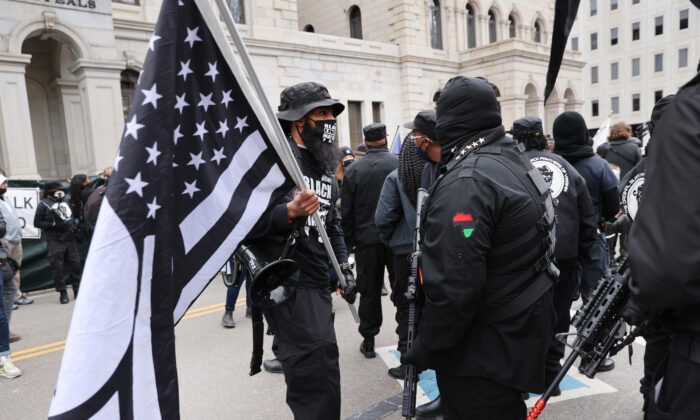
Members of the Black Panthers join other gun rights advocates in front of the Virginia State House during a rally, in Richmond, Va., on Jan. 18, 2021. (Spencer Platt/Getty Images)

Per Epoch Times:

Newly released FBI background check data from January shows Americans are buying guns at a “blistering pace,” a firearms expert said.

“That’s undoubtedly connected to President Joe Biden’s plans to attack the firearm industry by undoing and rewriting regulations and executive actions to target the firearm industry,” Mark Olivia, director of public affairs at the National Shooting Sports Foundation, said in a statement.

Olivia pointed to the freezing of the publication of the Office of the Comptroller of the Currency’s “Fair Access” banking rule, and promises to seek to repeal the Protection of Lawful Commerce in Arms Act to tighten restrictions on gun licenses and a ban on AR-15-style rifles by the Biden administration.

The White House didn’t immediately respond to a request by The Epoch Times for comment.

According to the FBI’s National Instant Criminal Background Check (NCIS) data, 4.3 million firearm background checks were initiated in January. That’s the highest number on record, and up more than 300,000 in comparison to December 2020. Three of the top 10 highest weeks are now from January 2021.

The National Shooting Sports Foundation’s adjusted background check figure of 2 million, reached by subtracting background code permit checks and permit rechecks and checks on active concealed carry permits, was a jump from its adjusted figure of 1.1 million in January 2020.

“These are jaw-dropping figures to start the New Year. Americans are claiming their Second Amendment rights to provide for their own safety in record numbers,” Olivia said.

The new year “certainly started off with a sales ‘bang’ due to the turmoil surrounding the confirmation and inauguration of Mr. Biden as the new U.S. president,” Jurgen Brauer, the chief economist for Small Arms Analytics, said in a statement.

“The 79 percent year-over-year increase, however, was NOT unprecedented—an even higher increase, of just over 100 percent, was experienced in January 2013, the month Mr. Obama’s second presidential term began,” he added.

The gun-control group Everytown for Gun Safety said the continued increase in background checks highlights the need for Congress and Biden to implement gun restrictions.

“As the country reels from multiple crises, the gun industry has cashed in with record sales that have made Americans less safe,” Nick Suplina, managing director of law and policy for the group, said in a statement.

“Without swift changes in policy, our already devastating gun violence epidemic could get even deadlier. The good news, though, is that we finally have leaders in the White House and in both chambers of Congress who recognize that this crisis demands action.”

Centrally Planned Shock and Awe

Per Sven Henrich: https://northmantrader.com/2021/02/03/bounce-2/

Sharing is caring and in this spirit I wanted to share some technical insights into this week’s market bounce following the aggressive flush down last week.

As of late I’ve been hearing more and more people throw their hands up in the air and declare that technicals no longer work in face of some of the historic price action we’ve witnessed in markets in the past year. It’s all about printing I hear. And it’s true we have distortions in markets and broken relationships courtesy of central banks printing.

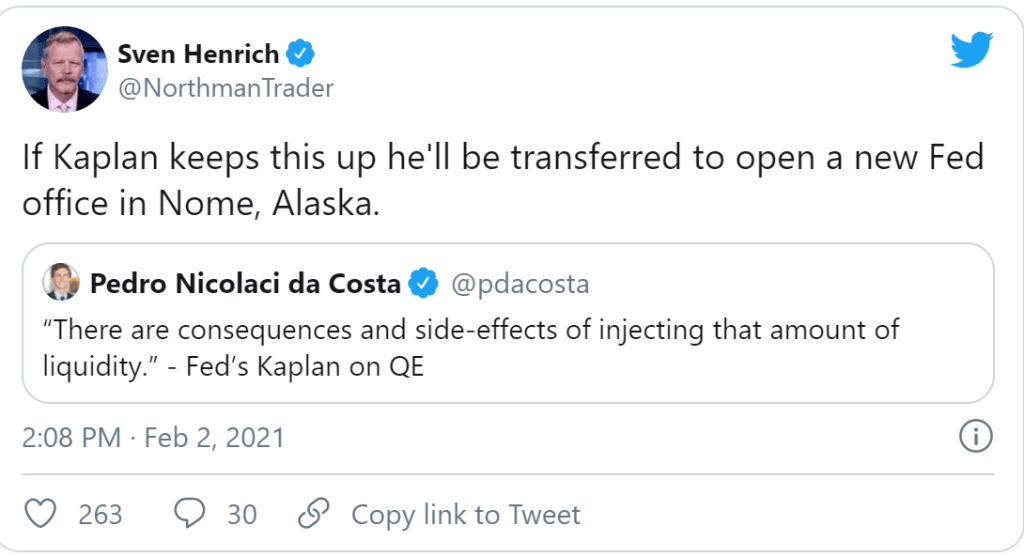
After all liquidity injections have consequences according to Fed governor Kaplan:

Dangerous truths his boss Jay Powell continues to deny, as yes, the Fed is partially responsible for the current stock mania:

Best to just keep printing and make the mania and wealth gap even worse.

Yet despite all the distortions the market offered a technical master class this week and the precision of it all is something to behold.

Let me explain.

In my experience confluence of multiple factors interjecting at the same time often prove to be the most important tools for technical traders to assess shifting risk and reward and identify key price pivots. It’s akin to finding all the various puzzle pieces and sorting them for relevance.

And what happened Friday and into Sunday night in futures trading was monumental in this respect as multiple key factors came together at exactly the same time.

First off we knew about about one key pivot in advance, it was the basic 50 day moving average reconnect that was overdue and it was the playbook from the year 2000 that called for a 50MA reconnect by the end of January, something I’ve discussed back in early January and highlighted again this weekend:

And indeed we got the 50MA reconnect into the end of January:

But why the bounce? Just because of the 50MA reconnect? No, there are a lot more factors at play.

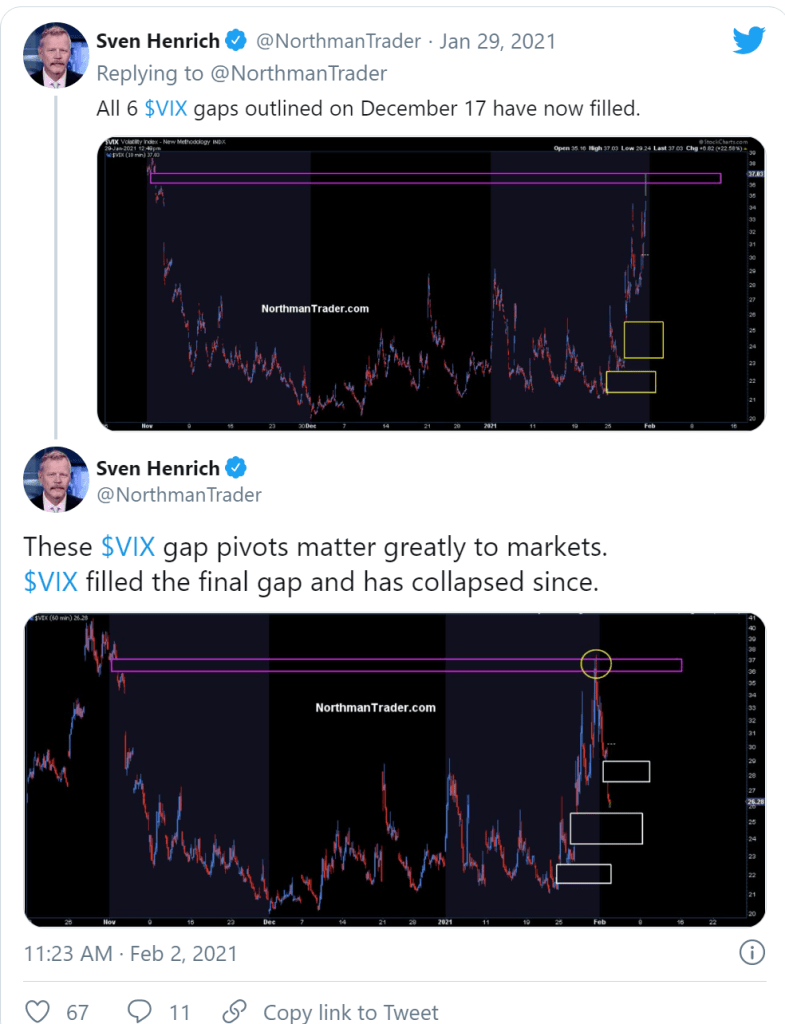
One other key factor was the $VIX gap fill at 37, part of the very gap constellation outlined as a check list in December:

This image has an empty alt attribute; its file name is scratch3.png

Gaps are key pivots and seeing $VIX fill the final gap on Friday suggested a counter reaction was lining up, and it did as $VIX reversed precisely from there:

This image has an empty alt attribute; its file name is scratch4.png

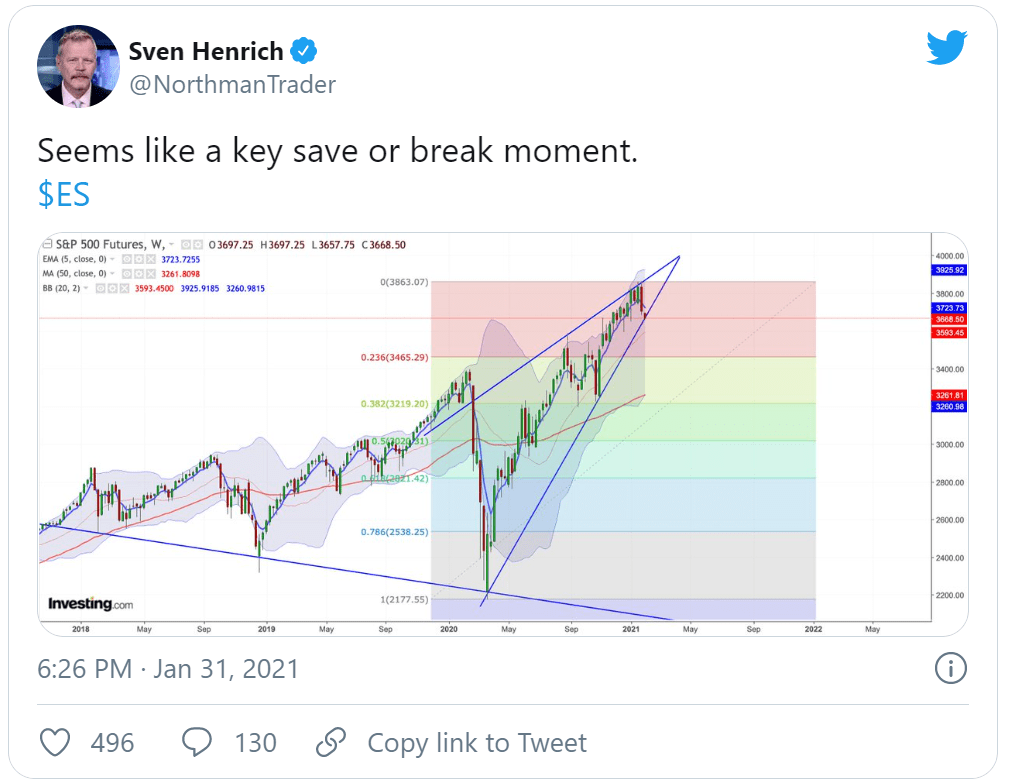
That gap filled on Friday, but Sunday night futures dropped further. Why? Another important check point was ready to be ticked off, a key trend line tag and I highlighted it as a key save or break moment at the time:

And the save reaction off of the trend line has been impressive:

If we zoom in on the daily chart we can note not only the precision of the trend line tag, but also the supporting confluence with the November 9th highs and the early January lows:

This is as close to a technical bulls eye as you get.

So in summary: We had a 50MA tag, we had the final $VIX gap fill, a trend line tag while intersecting with a previous high and a previous high turned support level.

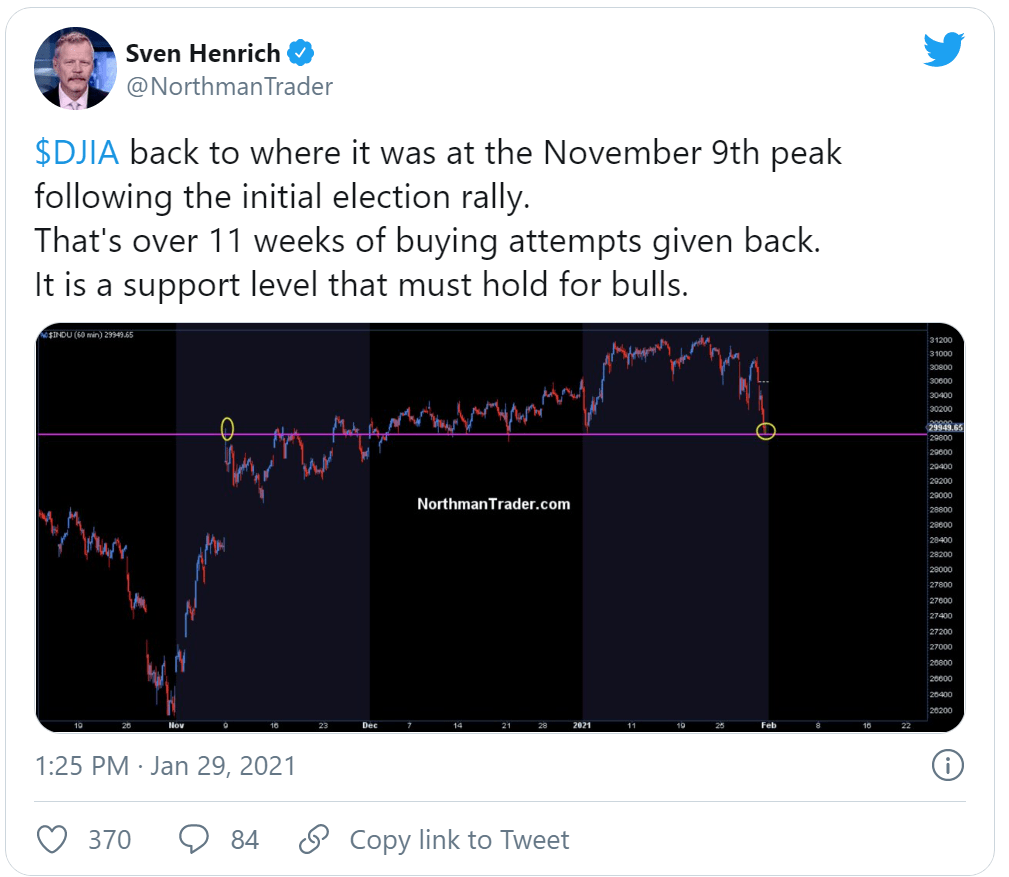
In short: 5 points of confluence interjecting virtually at the same time. And not only on $ES, but also the $DJIA hitting the same support level at the same time:

And now the bounce precisely off of that support zone:

I offer all this to highlight how the bounce from these levels has made perfect technical sense. Without understanding these technical puzzle pieces one is flying blind and I submit it is abundantly clear that markets continue to respect technicals and hence traders must as well or get caught offside in a major way. This applies to the buy side as well as to the sell side.

In terms of what is next: Gather your puzzle pieces. The 2000 example says new highs. The current technicals say show me as the battle for price control is ongoing and new highs haven’t been made yet, hence it is critical to understand the price pivots that determine who is in control and when.

Bulls have managed a sizable bounce off of key pivot support confluence. Now sustained new highs are needed for any further downside would risk a break of the now confirmed rising trend line of support. As long as this trend line holds this rally is intact, but should it break the nature of this market could changed profoundly and rapidly. Our job is to continue to evaluate to evolving picture and react accordingly.

What is clear for now is that markets just offered a technical master class and a teaching moment for participants.

Indeed, it was a Master Class

CoVid/CCP Virus Phylogeny: 02/03/2021

SARS-CoV-2 (“CoVid-19”) continues to show unusual evolution for a coronavirus.

Ray et al., 2021:

The genome of the novel severe acute respiratory syndrome 2 (SARS-CoV-2) has been observed to be between 29.8 kb to 29.9 kb in size, and its sequence differs substantially from some of the previously identified human corona viruses including SARS and the Middle East respiratory syndrome (MERS) (Khailany et al., 2020; Chaw et al., 2020).

Chakraborty and Lee, 2021:

Reference:

Ray, M., Sable, M. N., Sarkar, S., & Hallur, V. (2021). Essential interpretations of bioinformatics in COVID-19 pandemic. Meta Gene27(100844), 100844.

Pay No Attention to the Man Behind the Curtain

teaser image

Charles Hugh Smith:

In effect, Greenspan et al. assumed there would always be a pool of buyers willing to buy whatever stocks sellers were unloading. One potential pool of such buyers are those traders who bet on a market decline by selling short–selling shares at the top that they would buy back after a decline, pocketing the difference as profit.

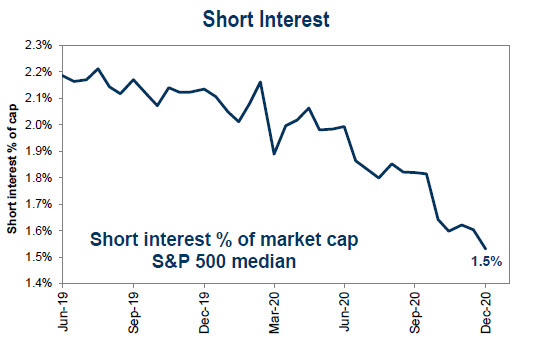
What Greenspan did not acknowledge in his mea culpa was central banks’ role in goosing markets so relentlessly that short selling dried up. Why bet on a market decline in a central-bank managed melt-up? Why lose money by betting against managers with trillions at their fingertips? So short interest declines to a negligible backstop against a crash–precisely the situation now as short interest has declined to recent lows (See chart below).

The other source of bids is buy the dip traders conditioned by the melt-up to aggressively buy every drop in the market. These buyers may be retail (individual) human speculators or they may be computers programmed to buy the dip. This buy the dip reaction (greed) was on display in 2020’s mini-crash, as every plunge was aggressively bought. However, each spike higher was soon sold (fear) and the market promptly fell to new lows.

Many of the buy the dip players are leveraged, meaning that they are using borrowed money (margin debt) to buy more stocks. Should the market drop instead of rebounding, their account will fall below minimum requirements and they will have to add cash or sell stocks. When buy the dip fails, those with margin calls add to the selling.

Most of the trading volume nowadays is generated by computers–called algos because they’re programmed to trade based on algorithms that have been tweaked by very smart people and machine learning.

The problem with algos is it’s difficult to program for black swans or unpredictable rogue-wave monstrous moves. So the prudent programmer takes the computer offline to avoid the risk of the algo making a trading decision in a rare and thus difficult to model crisis that ends up wiping out the financial firm.

This is why liquidity–traders willing to buying stocks at the bid–dries up incredibly fast. Short sellers are such a thin slice of the market now that their buying is little more than a sand castle in a tsunami. Algos programmed to escape a decline by selling pile in while algos programmed to buy the dip quickly reverse and sell when the expected rally fails to materialize. As the rogue wave washes away all the sand castles, the algos are taken offline and liquidity goes to zero.

This is how the price of oil crashed to a negative number in the 2020 mini-crash. The market went bidless, meaning there were no buyers at any price. In Street jargon, trying to buy on the way down is called catching the falling knife: the knife is in free-fall, and buying in at what you guess is the bottom can turn out to be only halfway down the decline. Oops.

This is the consequence of managing markets to only melt up and reversing every decline with trillions in freshly created “money.” The market structure has been stripped of actual market dynamics, leaving it exquisitely fragile and brittle.

Put another way, this heavily managed market structure is far from equilibrium and extremely prone to instability. All this is hidden behind the curtain, where the managers are furiously pulling levers and pushing buttons to maintain the illusion of stability needed to forecast melt-ups are forever.

What’s going on behind the curtain? Few seem to care. Eventually they will, but like Greenspan in 2013, it will be long after the losses have been wept over.

http://charleshughsmith.blogspot.com/2021/02/our-fragile-brittle-stock-market.html